

This article is part of the HOGDigest editorial series. → Explore HOGDigest
Buying furniture seems simple, but many people make avoidable mistakes that reduce the value and usability of what they purchase. Choosing the wrong size, ignoring material quality, or not thinking about long-term needs can lead to wasted money and poor experiences. Whether furnishing a new home or replacing old pieces, making informed decisions is essential. This guide explains the most common mistakes when buying furniture and how you can avoid them by focusing on practical details and verified product information.
Not Measuring Properly Before Buying
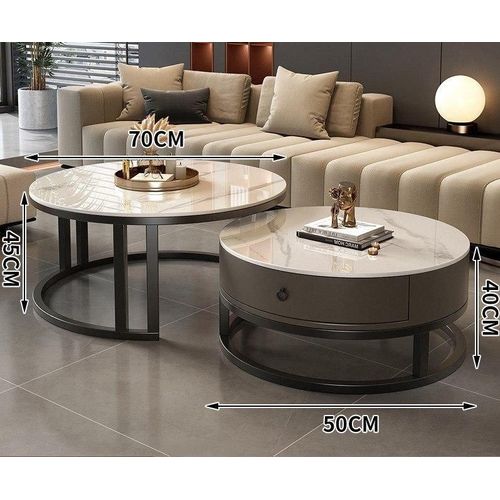
One of the most frequent furniture buying mistakes is skipping accurate measurements. People often rely on visual guesses or showroom impressions, but furniture that looks perfect in-store can overwhelm a space at home. This issue usually leads to returns, layout problems, or unusable rooms. Measuring is not just about size; you need to check the space available for walking, opening drawers, or pulling out chairs.
To avoid this, use a tape measure and measure both the available space and the furniture dimensions listed on the product page. Always consider space for movement. For example, a dining chair usually needs at least 90 centimeters behind it for someone to sit and stand comfortably. Make sure to note ceiling height as well, especially for tall bookshelves or wardrobes.
Choosing Style Over Function
Buying furniture only based on looks is another common error. Aesthetic appeal matters, but it should not be the only deciding factor. A sofa may look modern, but if it has poor back support or low-quality foam, it will not stay comfortable. Visual design should support practical use, not replace it.
Functionality includes how the piece works in everyday life. A coffee table with a glass top might match your style, but if you have children or limited cleaning time, it becomes a problem. Focus on what the furniture will do for you and how it fits your lifestyle before thinking about how it looks.
Ignoring Material Quality
Many people do not pay enough attention to furniture material quality, which directly affects durability and performance. There is a major difference between solid wood, engineered wood, plastic, and metal frames. Products made with poor-quality materials break faster and often cannot be repaired.
Check product specifications or ask the seller what materials are used. For example, solid oak and metal frames last longer and resist damage better than particleboard. At Öğretmenler Mobilya, we always recommend choosing pieces with verified material information, not just marketing terms like "premium wood finish" or "luxury surface." Clear and honest material labeling helps buyers make better decisions.
Forgetting to Check Delivery and Assembly Requirements
Sometimes, furniture looks perfect online, but problems arise during delivery or setup. Large pieces might not fit through doorways, or they require complex assembly tools. These issues often result in delays, extra costs, or even damage during transport.
Before buying, check the product’s shipping details, especially box dimensions and weight. If assembly is required, read the instructions beforehand or request help from professionals. Some stores offer paid assembly services. Not all furniture is plug-and-play, and knowing this in advance prevents last-minute issues.
Overlooking Maintenance and Cleaning Needs
Furniture is not maintenance-free. One mistake people make is buying materials that do not match their cleaning habits. A white fabric sofa looks clean and modern but shows stains quickly. Glossy surfaces collect fingerprints, and open shelving gathers dust.
Choose furniture that matches your lifestyle. If you have pets or kids, stain-resistant or darker fabric options will perform better. Leather can be easier to wipe down but may need special products. Knowing how to care for your furniture increases its lifespan and helps it look better over time.
Not Reading the Warranty or Return Policy
Many customers ignore furniture warranty details and regret it when something breaks. A missing screw, a loose leg, or fabric damage becomes a major issue if you cannot return or repair the item. Warranty terms tell you how long the product is covered, what’s included, and who to contact.
Always read the warranty and return policy before finalizing your order. Look for clear timelines and easy-to-understand conditions. For example, a 2-year warranty on structure and 1-year on fabric is a standard offer. Products with no warranty or vague support terms are risky investments.
Failing to Match Furniture with Room Layout
Room layout planning is not just for interior designers. Buying furniture that doesn’t align with your room’s layout creates problems like blocked windows, uneven lighting, or traffic flow issues. It also makes the room feel crowded or off-balance.
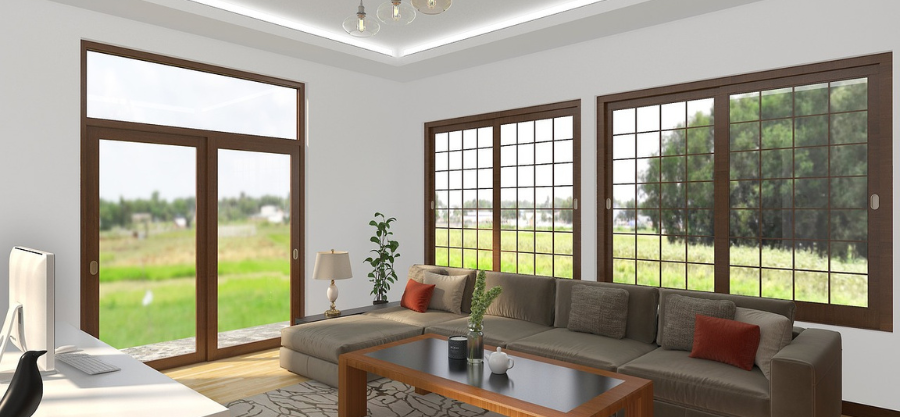
Use a simple room planner app or draw the layout on paper. Think about natural light, power outlets, and how people move in the space. Avoid placing tall items in front of windows or bulky ones too close to entrances. Good placement makes furniture more useful and rooms more pleasant to live in.
Trusting Unverified Online Listings
Some furniture listings online include vague product details or misleading photos. A common mistake is believing everything in the description without checking reviews or additional images. What seems like a solid wood table could turn out to be laminate with poor construction.
To avoid this, always look for verified customer reviews, high-resolution photos, and clear technical data. Reliable sellers provide dimensions, materials, assembly info, and real pictures. If a listing is missing key details, that is a red flag. Also, search for the brand name and model on multiple platforms to compare user feedback.
Buying Without Considering Long-Term Use
Short-term deals or fast delivery often tempt people into purchases without thinking about how the item will age. Furniture should last for years. If you plan to move, have kids, or expect heavy use, your furniture choices should reflect that.
Ask yourself how easy the item is to move, repair, or upgrade. Avoid pieces that cannot be disassembled if you relocate often. Look for modular or customizable options. Spending a bit more for long-term comfort and reliability saves money over time.
Skipping Air Quality and Health Considerations
Furniture made with cheap adhesives or finishes can release chemicals like formaldehyde, affecting indoor air quality. This is especially important for bedrooms, nurseries, or home offices where people spend long hours.
To stay safe, look for certifications such as CARB Phase 2 compliance or GREENGUARD. Products with water-based finishes or low-VOC adhesives are healthier choices. Avoid furniture with strong chemical smells or unclear material details. Health should be a key part of your furniture checklist.
Key Takeaways: How to Avoid Furniture Buying Mistakes
To buy smarter, focus on these essentials:
-
Measure your space before buying and double-check furniture dimensions.
-
Match your furniture to how you live, not just how it looks.
Avoiding common furniture buying mistakes saves time, money, and stress. Whether you shop online or in-store, understanding what to check helps you get pieces that last longer and work better in your home. Always combine practical thinking with product research to avoid disappointment.
AUTHOUR BIO: