

This article is part of the HOGDigest editorial series. → Explore HOGDigest
Contemporary kitchens are designed to make life easier, yet many homeowners find themselves spending more time navigating their space than actually enjoying it. What was once the heart of the home has, in some cases, become a maze of features, gadgets, and storage systems that look impressive but feel overwhelming in daily use. With endless accessories, high-tech appliances, and elaborate cabinetry options, the modern kitchen can sometimes prioritize style and innovation over genuine practicality.
The truth is, efficiency does not automatically increase with the number of features. A kitchen becomes truly functional when its design aligns with daily habits. Instead of asking how many upgrades a space can accommodate, a better question is how well it supports the rhythm of real life. When design decisions revolve around everyday routines, the kitchen transforms from a complicated environment into a seamless one.
The Problem of Broken Workflow
One of the most common issues in modern kitchens is a disrupted workflow. Even simple tasks like making coffee or preparing breakfast can take longer than necessary when essential items are scattered across different areas. If the mugs are far from the coffee machine, the cutlery is stored away from the dining area, and the ingredients are hidden in separate cabinets, small movements add up to wasted time.
A well-planned kitchen keeps related items close together. Utensils should be near the stove, spices within arm’s reach of preparation areas, and everyday dishes stored near the dishwasher for easy unloading. When movement feels natural and intuitive, cooking becomes smoother and less stressful. This concept is often referred to as the work triangle, which focuses on optimizing the distance between the sink, stove, and refrigerator. While modern layouts may vary, the principle remains relevant: reduce unnecessary steps to save time and energy.
Smart Storage Over Excess Storage
Many contemporary kitchens boast generous storage, but quantity does not guarantee usability. Deep cabinets, high shelves, and crowded drawers often hide items instead of organizing them. Homeowners frequently forget what they own because it is stored out of sight or difficult to reach.
Effective storage prioritizes visibility and accessibility. Pull-out drawers, rotating corner units, labeled containers, and vertical dividers can dramatically improve daily efficiency. Instead of stacking items in the back of a cabinet, using transparent bins or open shelving for frequently used products makes everything easier to locate. The goal is not to fill every inch of space but to design storage that works with your habits.
Several modern kitchen retailers, including some of the best kitchen showrooms, now focus on organization solutions that emphasize practicality rather than excess. From modular drawer systems to space-saving racks, these solutions highlight ease of access and functionality. By choosing tools that enhance usability, homeowners can create a kitchen that feels lighter, clearer, and more manageable.
Choosing Appliances That Truly Serve You
Technology has transformed the modern kitchen. Smart ovens, touch-screen refrigerators, and multifunctional cooktops promise convenience, but more options do not always translate to greater efficiency. An appliance with dozens of settings may look advanced, yet if you only use two of them regularly, the added complexity can slow you down.
The key is selecting appliances that align with your actual cooking behavior. If you prepare quick weekday meals, speed and simplicity matter more than advanced programming modes. If you enjoy baking on weekends, precise temperature control and reliable performance become more important than digital displays.
Ease of cleaning is another factor often overlooked. Appliances with complicated surfaces, hidden crevices, or hard-to-remove parts can consume extra time in maintenance. Simple designs with smooth finishes and accessible components contribute to long-term time savings. A reliable, user-friendly appliance will always outperform a feature-heavy one that demands constant attention.
Visual Clarity and Mental Efficiency
A cluttered kitchen does more than affect appearance; it impacts focus and productivity. Visual noise creates subtle stress, making routine tasks feel more exhausting. When countertops are crowded with gadgets, containers, and decor, even basic cooking can feel overwhelming.
Clear surfaces promote mental clarity. Keeping only essential items visible and storing the rest neatly out of sight can significantly enhance efficiency. Hooks for frequently used tools, concealed storage for rarely used appliances, and a designated space for everything reduce the time spent searching for items.
Minimalism does not mean emptiness. It means intentional arrangement. When every object has a purpose and a proper place, daily tasks flow more smoothly. Cleaning also becomes quicker, as fewer items need to be moved or wiped around. Over time, these small improvements create meaningful time savings.
Learning From Well-Designed Spaces
Visiting thoughtfully designed kitchen environments can provide practical insights. High-quality showrooms often demonstrate how simplicity, smart placement, and balanced layouts come together to form efficient spaces. Observing how cabinets open, how islands are positioned, and how lighting enhances work areas can inspire better decisions at home.
Many furniture and kitchen brands now emphasize functional design that supports everyday living. Their approach focuses on how cabinetry, surfaces, and storage interact with daily routines rather than simply following design trends. By studying layouts that prioritize usability, homeowners can identify improvements that suit their own needs.
Lighting That Supports Productivity
Lighting plays a significant role in kitchen efficiency. Poor illumination can make food preparation slower and less safe. Shadows over countertops or dim corners in cabinets cause unnecessary strain and delay.
Layered lighting offers a practical solution. Task lighting under cabinets ensures that work surfaces remain bright and clear. Ambient lighting provides overall visibility, while accent lighting can enhance specific areas without overwhelming the space. When lighting is thoughtfully planned, cooking and cleaning become easier and more enjoyable.
Natural light should also be maximized whenever possible. Positioning preparation zones near windows not only improves visibility but also creates a more pleasant atmosphere. A well-lit kitchen encourages productivity and reduces fatigue.
Furniture and Layout Matter More Than Trends
Modern design trends often highlight bold colors, open shelving, or oversized islands. While these features can look appealing, they should not compromise function. The arrangement of furniture and structure directly affects how efficiently a kitchen operates.
Is there enough space to move comfortably between counters? Are cabinet doors blocking pathways when open? Is the dining area conveniently connected to the serving space? These practical questions determine whether a layout supports daily routines.
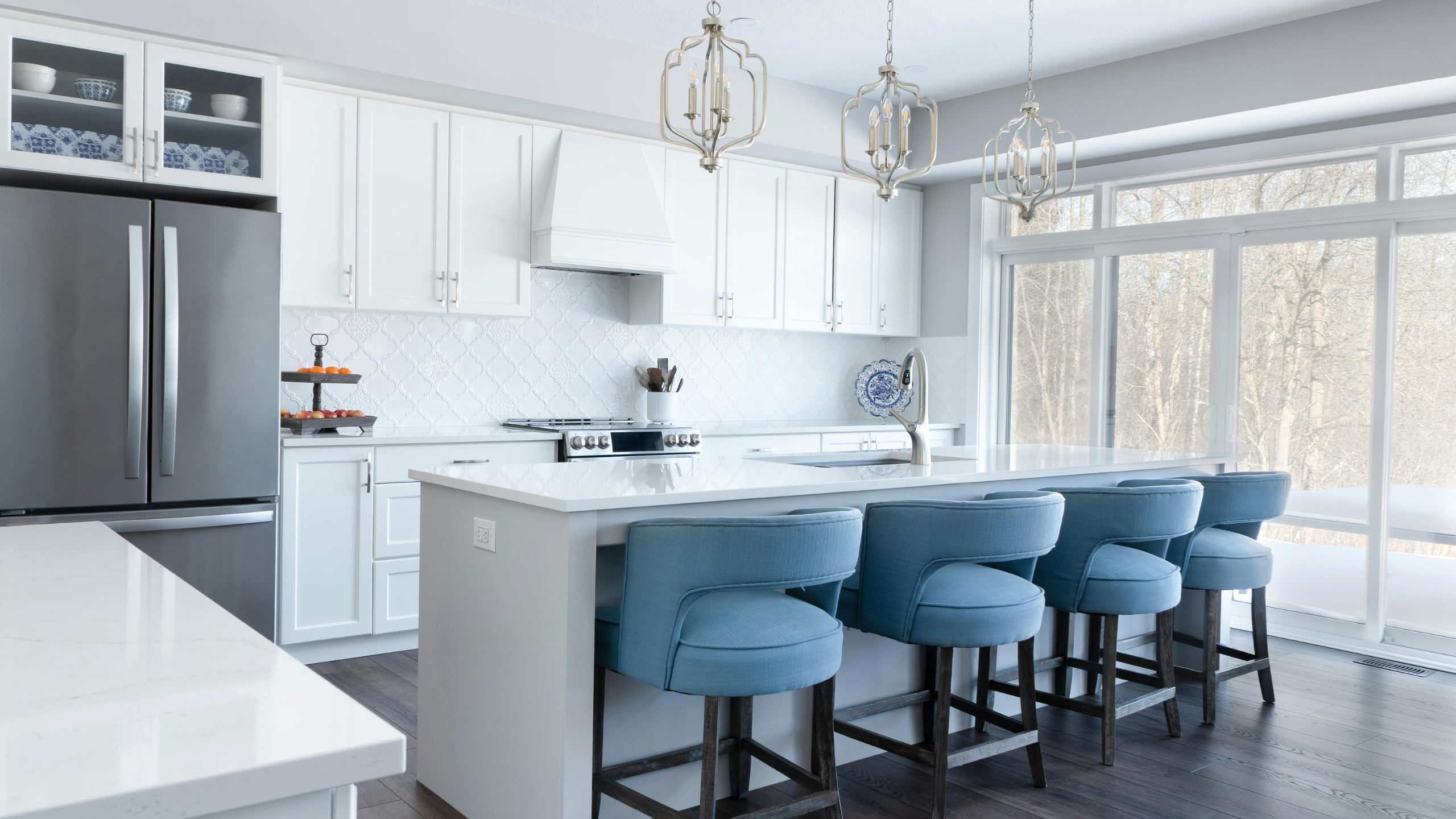
A kitchen island, for instance, should not merely serve as a decorative centerpiece. It should enhance workflow by providing additional preparation space or storage. If it disrupts movement or creates congestion, it becomes counterproductive. Prioritizing comfort and accessibility over visual trends ensures long-term satisfaction.
Small Changes With Big Impact
Improving kitchen efficiency does not always require a complete renovation. Simple adjustments can produce noticeable results. Reorganizing drawers so that everyday tools are within easy reach, decluttering countertops, and rearranging storage zones based on usage frequency can immediately save time.
Even labeling containers and shelves can reduce hesitation and confusion during busy mornings. Introducing drawer dividers, adding pull-out racks, or installing hooks inside cabinet doors are affordable changes that enhance organization. These practical steps focus on removing friction from daily tasks.
A Kitchen That Works With You
Ultimately, a modern kitchen does not have to feel complicated. Complexity often arises from design decisions that prioritize appearance or technology over real-life functionality. When a kitchen reflects natural habits and routines, it becomes an ally rather than an obstacle.
The most efficient kitchens share common traits: clarity, accessibility, and simplicity. They support daily activities quietly, without demanding constant adjustment or attention. By evaluating how you use your space and making thoughtful changes that reduce unnecessary steps, you can transform even a feature-heavy kitchen into a streamlined environment.
A well-designed kitchen should fade into the background of daily life. It should allow you to focus on cooking, connecting, and enjoying your home. When simplicity guides design choices, time is saved, stress is reduced, and the kitchen truly becomes the welcoming heart of the household once again.