

This article is part of the HOGDigest editorial series. → Explore HOGDigest
Plastic components play a key role in modern medical devices. They are used in disposable products, diagnostic tools, and many structural parts where stability and safety are required. However, marking plastic parts for medical use is often more difficult than expected.
In medical production, marking is not only about adding text or codes. It must stay readable over time, meet regulatory requirements, and avoid damaging sensitive materials. These challenges have pushed many manufacturers to rethink their marking methods.
The Problem with Heat-Sensitive Medical Plastics
Most medical plastics react poorly to heat. Materials such as ABS, PC, PE, PP, and PEEK can change color, deform, or lose surface quality when exposed to high temperatures.
During marking trials, manufacturers often notice:
● Yellowing or whitening on the surface
● Melted edges or small surface defects
● Different contrast levels between batches
● Fine particles left on the product
For medical devices, these issues are not acceptable, especially when traceability or UDI marking is required.

Why Traditional Laser Marking Is Not Always Suitable
Many conventional laser systems rely on thermal interaction. CO₂ lasers, for example, can mark plastic, but they usually create a noticeable heat-affected zone. This can lead to surface damage on medical parts.
Fiber lasers are widely used in metal marking, but plastics absorb fiber laser energy poorly. As a result, higher power is often needed, which increases the risk of material damage and inconsistent marking results.
Because of these limitations, manufacturers often look for marking methods with lower heat input.

UV Laser Marking as a Practical Alternative
UV lasers work differently. Instead of heating the material, they rely more on a photochemical process. The laser energy breaks surface molecular bonds, creating marks with minimal thermal impact.
In practice, this means:
● Very little heat transfer
● Clean surface marking
● No obvious melting or burning
This process is especially useful for medical plastics where surface condition and cleanliness are critical.
Common Medical Plastic Applications
UV laser marking is now used in many medical products, including:
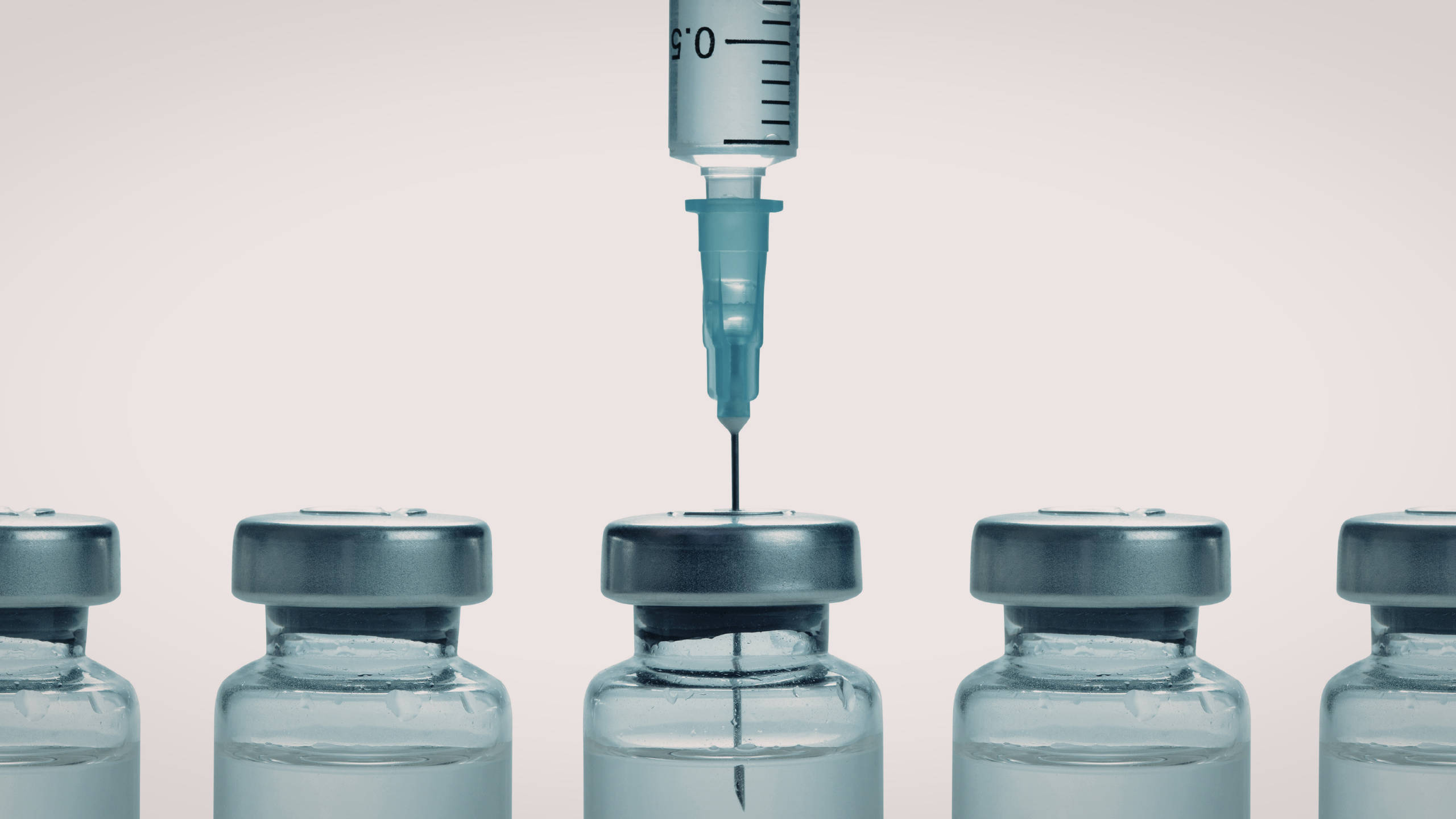
● Syringes and injection components
● Catheters and tubing parts
● Diagnostic kits and cartridges
● Disposable medical consumables
These products often require clear identification while maintaining strict material integrity.

UDI and Long-Term Traceability
UDI regulations require medical device markings to be permanent, clear, and consistent. Labels or ink-based markings may fade or peel over time, which makes laser marking a more reliable choice.
UV laser marking supports UDI needs by producing stable, high-contrast codes that remain readable throughout the product lifecycle, including cleaning and sterilization processes.

Is UV Laser Always the Best Choice?
UV laser marking is not the solution for every application. The initial system cost is higher, and it may not be suitable for deep engraving or very high-speed marking lines.
However, for medical plastics where quality, consistency, and compliance are critical, UV laser marking is often chosen after comparative testing.
Final Thoughts
Choosing the right marking technology for medical plastics is not only a technical decision but also a quality decision. UV laser marking offers a low-heat, controlled process that meets the strict demands of medical device manufacturing.
This is why UV lasers have become a preferred option for plastic marking in medical applications.