

This article is part of the HOGDigest editorial series. → Explore HOGDigest
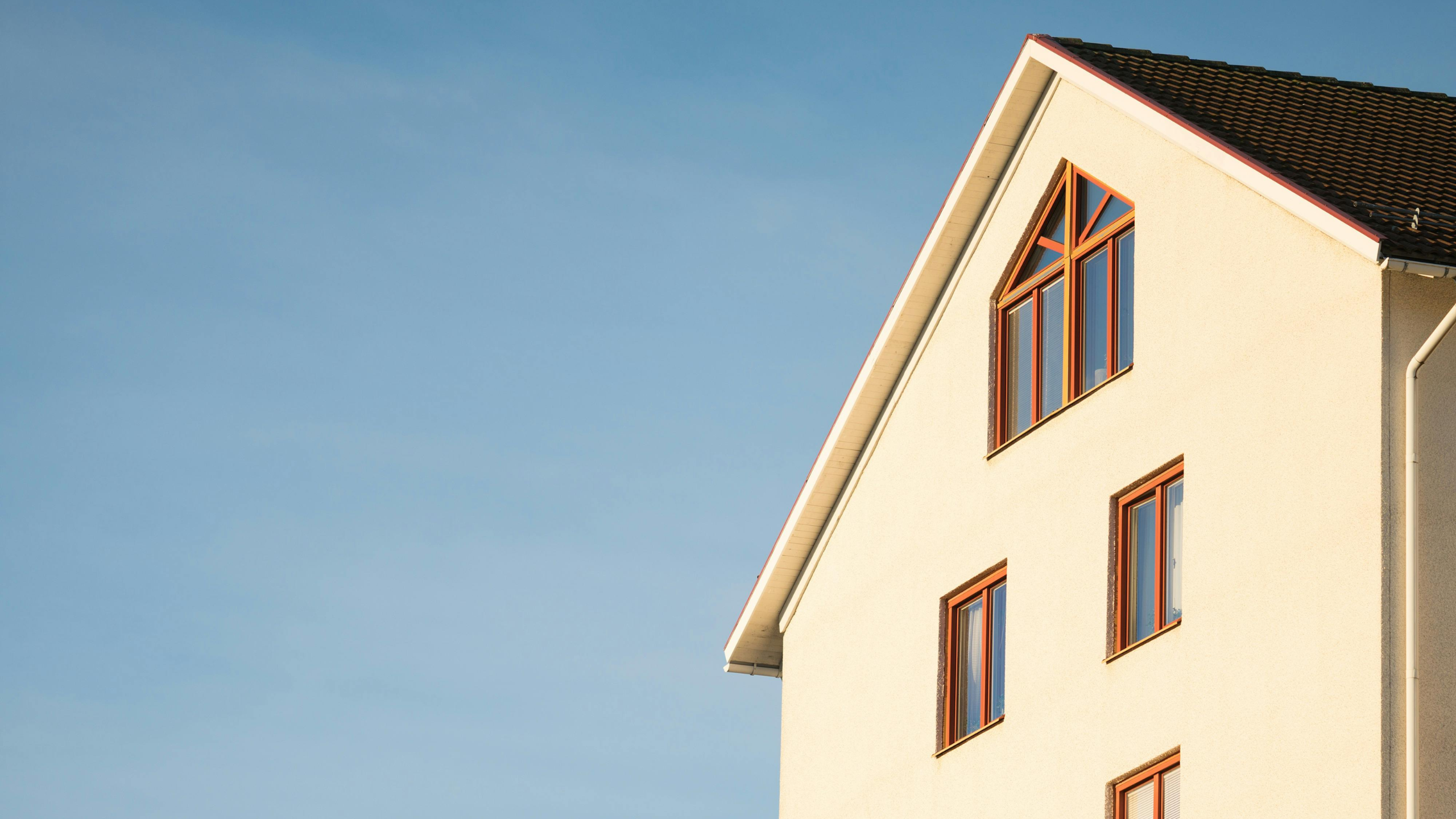
Property value is often tied to usable space. Whether you are preparing to sell or simply want to enhance functionality, adding square footage can significantly increase both appeal and market worth. Traditional methods like building extensions or finishing basements remain popular, but modern homeowners and investors are exploring innovative approaches that deliver results without high cost or disruption. These strategies combine creativity with practicality, offering solutions that fit diverse budgets and lifestyles.
Converting Underutilized Areas
One of the simplest ways to add square footage is by repurposing spaces that already exist within the property. Attics, basements, and garages often serve as storage zones, but with thoughtful design, they can become livable areas. Finishing a basement into a family room or home office adds functional space without altering the property footprint. Similarly, converting an attic into a bedroom or studio can create value while maintaining structural integrity.
These conversions require attention to insulation, ventilation, and lighting to ensure comfort and compliance with building codes. While the upfront investment may vary, the return on value is typically strong because these spaces are already part of the home’s structure.
Expanding Outdoors with Functional Additions
Outdoor areas present opportunities for square footage that extend beyond interior walls. Covered patios, sunrooms, and enclosed porches can transform unused yard space into versatile living zones. These additions are ideal for homeowners who want to enjoy natural light and fresh air without sacrificing comfort. Modern designs often incorporate energy-efficient materials and sliding glass systems to create seamless transitions between indoor and outdoor environments.
For properties in regions with mild climates, outdoor kitchens and entertainment areas can further enhance usability. These spaces not only increase functional square footage but also elevate lifestyle appeal, which is a strong selling point in competitive markets.
Modular and Alternative Structures
Innovative homeowners are increasingly turning to modular solutions to add space quickly and cost-effectively. Prefabricated units can serve as guest houses, studios, or home offices, offering flexibility without the complexity of traditional construction. These structures are designed for efficiency, often arriving pre-assembled or in easy-to-install components.
A growing trend within this category is the use of used shipping containers for sale as building blocks for additional space. Containers provide durability, portability, and adaptability, making them ideal for creating standalone units or extensions. They can be customized with insulation, plumbing, and electrical systems to meet modern living standards. This approach appeals to those seeking sustainable solutions, as repurposing containers reduces waste and environmental impact while delivering functional square footage.
Vertical Expansion for Urban Properties
In densely populated areas where land is limited, building upward is often the most practical solution. Adding a second story or partial loft can dramatically increase living space without expanding the property footprint. Vertical additions require structural assessments to ensure the foundation can support extra weight, but they offer significant value gains when executed properly.
Design considerations for vertical expansions include maintaining architectural harmony and complying with zoning regulations. While this method involves a higher level of planning and investment, the long-term benefits in terms of property value and functionality are substantial.
Smart Design for Multi-Purpose Spaces
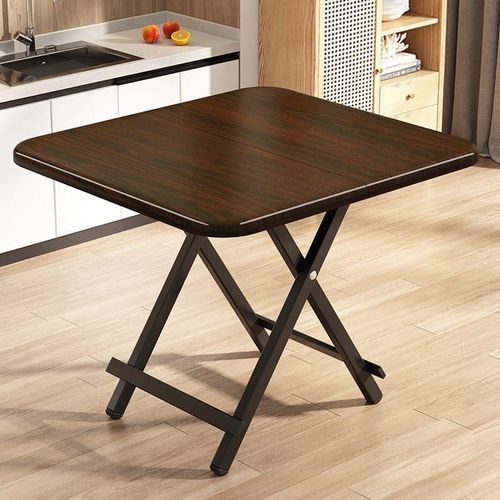
Not all square footage additions require new construction. Strategic interior design can create the perception of more space while improving usability. Multi-purpose rooms, foldable furniture, and built-in storage solutions allow homeowners to maximize existing layouts. For example, a guest room that doubles as a home office or a dining area that converts into a workspace can meet multiple needs without adding physical square footage.
These design strategies are particularly effective for smaller homes or apartments where expansion options are limited. By focusing on flexibility and efficiency, homeowners can achieve the benefits of added space without major structural changes.
Conclusion
Adding square footage is one of the most effective ways to boost property value, but it does not always require traditional construction. From converting underutilized areas and expanding outdoors to leveraging modular structures and vertical additions, innovative solutions offer practical paths to growth. By combining creativity with functionality, homeowners can enhance livability and market appeal while aligning with modern trends in sustainability and design. The result is a property that stands out for both its versatility and long-term value.