

This article is part of the HOGDigest editorial series. → Explore HOGDigest
The global shift toward renewable energy has placed a spotlight on a critical challenge: storage. Solar panels and wind turbines are powerful, but their energy production is intermittent. The solution lies in robust, efficient, and safe battery technology. Among the leading contenders, energy storage solutions with LiFePO4 prismatic cells are rapidly emerging as a superior choice for a wide range of applications, from residential power walls to utility-scale grids.
This article energy storage solutions company Leodar explores the world of Lithium Iron Phosphate (LiFePO4) prismatic cells. We will examine why this specific chemistry and form factor are becoming the gold standard for modern energy storage. Furthermore, we will cover their advantages in safety and longevity, their role in renewable and off-grid systems, and the innovations that continue to push their capabilities forward.
What Are LiFePO4 Prismatic Cells?
To understand their importance, we must first break down the name.
-
LiFePO4 (Lithium Iron Phosphate): This refers to the battery's cathode material. Unlike other lithium-ion chemistries that use cobalt (like NMC or NCA), LiFePO4 uses a phosphate-based structure. This chemistry is the foundation of the cell's remarkable safety and long lifespan.
-
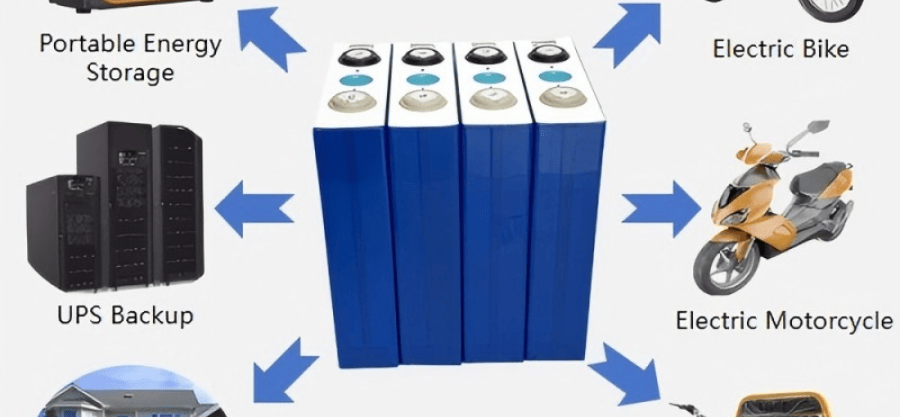
Prismatic Cell: This describes the physical shape of the battery. Instead of small cylindrical cells (like the 18650s found in laptops and some electric vehicles) or soft pouch cells, prismatic cells are encased in a rigid, rectangular aluminum or steel shell. This shape is highly efficient for stacking and building large battery packs.
Together, these two elements create a battery cell that is exceptionally stable, long-lasting, and space-efficient, making it ideal for stationary energy storage.
The Clear Advantages of LiFePO4 Prismatic Cells
The rising popularity of this technology is not accidental. It is driven by a unique combination of benefits that make for advanced energy storage with LiFePO4 prismatic cells.
Unmatched Safety and Stability
The first thing to remember about LiFePO4 chemistry is its inherent safety. The phosphate-based cathode has a very strong molecular bond, making it far more resistant to thermal runaway than cobalt-based chemistries. In other words, these cells are significantly less likely to overheat and catch fire, even if punctured, overcharged, or short-circuited. This safety profile is a paramount concern for energy storage systems installed in homes, businesses, and critical infrastructure.
Exceptional Longevity and Cycle Life
Another key point is the incredible lifespan of these cells. A typical LiFePO4 prismatic cell can endure thousands of charge and discharge cycles while retaining a high percentage of its original capacity. For example, it is common for these cells to be rated for 4,000 to 8,000 cycles before their capacity drops to 80%. In contrast, many other lithium-ion chemistries offer only 500 to 1,500 cycles. This makes long-term energy storage using LiFePO4 prismatic cells not just possible, but economically viable. A system built with these cells can realistically operate for 15 to 20 years or more with minimal degradation.
High Efficiency
Efficient energy storage with LiFePO4 prismatic cells is another major benefit. These batteries boast a high round-trip efficiency, often exceeding 95%. This means that for every 100 units of energy you put into the battery, you get more than 95 units back out. This minimizes wasted energy, which is particularly important for systems that cycle daily, such as those paired with solar power.
Optimizing LiFePO4 Prismatic Cells for Energy Storage Systems
Individual cells are just the building blocks. Creating a high-performance energy storage system involves carefully integrating these cells into a larger battery pack managed by a sophisticated Battery Management System (BMS).
The Critical Role of the BMS
Optimizing LiFePO4 prismatic cells for energy storage systems is impossible without a quality BMS. The BMS is the brain of the battery pack, responsible for:
-
Balancing: Ensuring all cells in the pack are at an equal state of charge. This prevents individual cells from being overcharged or over-discharged, which maximizes the pack's overall capacity and lifespan.
-
Protection: Monitoring cell voltage, current, and temperature to prevent the battery from operating outside of its safe limits.
-
State of Charge (SoC) Calculation: Providing an accurate "fuel gauge" for the battery system.
Compression and Structural Integrity
The prismatic form factor offers another advantage. When building a battery pack, these rectangular cells can be slightly compressed. This physical compression helps maintain the internal structure of the cells as they expand and contract slightly during charging and discharging, which can further improve their cycle life. The rigid casing of the cells makes building these compressed, structurally sound packs much easier compared to pouch cells.
Powering a Sustainable Future: Key Applications
The unique characteristics of LiFePO4 prismatic cells make them perfectly suited for the demands of the renewable energy revolution.
LiFePO4 Prismatic Cells for Renewable Energy Storage
Solar and wind power are variable resources. LiFePO4 prismatic cells for renewable energy storage solutions are the perfect match for this challenge. They can absorb large amounts of energy quickly when the sun is shining or the wind is blowing. Then, they can reliably discharge that energy for hours when production ceases, providing a smooth and continuous power supply. Their long cycle life means they can handle this daily charge-discharge routine for decades.
LiFePO4 Prismatic Cells for Off-Grid Energy Storage
For those living or working in remote locations, energy independence is a necessity. LiFePO4 prismatic cells for off-grid energy storage provide a reliable and safe alternative to noisy, polluting diesel generators. A properly sized solar and LiFePO4 battery system can provide clean, quiet, and consistent power 24/7. Their high efficiency and low self-discharge rate mean that stored energy remains available for days, even during periods of low solar generation.
High-Capacity and Compact Energy Storage
The physical design of prismatic cells offers distinct advantages in building powerful yet compact battery systems.
High-Capacity Storage with LiFePO4 Prismatic Cell Technology
Individual LiFePO4 prismatic cells are available in very large capacities, often ranging from 100Ah to over 300Ah per cell. This means you can build a high-capacity storage with LiFePO4 prismatic cell technology system using fewer individual cells compared to a system built with thousands of small cylindrical cells. Fewer cells mean fewer connections, which simplifies the assembly process and reduces potential points of failure.
Compact Energy Storage with LiFePO4 Prismatic Cells
The rectangular shape of prismatic cells allows for extremely dense packing. There is very little wasted space between cells, unlike the gaps created when packing cylindrical cells. This leads to compact energy storage with LiFePO4 prismatic cells, allowing for a higher energy density per unit of volume. This is especially important for applications where space is limited, such as in RVs, marine vessels, or residential energy storage units.
The Eco-Friendly Advantage
In the quest for green energy, the sustainability of the storage solution itself matters. This is an area where LiFePO4 technology truly shines.
Sustainable Energy Storage Using LiFePO4 Prismatic Cells
The most significant factor in sustainable energy storage using LiFePO4 prismatic cells is the absence of cobalt. Cobalt mining is fraught with environmental and ethical problems, including habitat destruction and dangerous labor practices. By using abundant and ethically sourced materials like iron and phosphate, LiFePO4 technology offers a much cleaner and more responsible supply chain.
Coupled with their extremely long lifespan, these batteries represent a true "reduce and reuse" approach. A single LiFePO4 battery pack can outlast three or four lead-acid battery packs, drastically reducing the waste and resources associated with manufacturing and recycling replacements.
The Forefront of Battery Tech: Innovative Storage Solutions
The development of LiFePO4 technology is far from over. Researchers and manufacturers are constantly pushing the boundaries of what is possible. These innovative storage solutions with LiFePO4 prismatic cells are focused on several key areas:
-
Increased Energy Density: While already good, efforts are underway to improve the energy density of LiFePO4 cells, allowing for even more compact and lightweight battery systems.
-
Improved Cold Weather Performance: One of the few historical drawbacks of LiFePO4 has been reduced performance in freezing temperatures. Many new cells now include built-in heating elements managed by the BMS, which automatically warm the cells to a safe operating temperature before charging.
-
Solid-State Electrolytes: The long-term future may involve replacing the liquid electrolyte with a solid one, which could lead to even greater safety and energy density.
Conclusion
The path to a future powered by clean energy depends on our ability to store it effectively. LiFePO4 prismatic cells have firmly established themselves as a leading technology in this domain. Their unmatched combination of safety, longevity, efficiency, and sustainability makes them an ideal choice for nearly any energy storage application.
From enabling off-grid independence to stabilizing national power grids, these remarkable batteries are the silent workhorses of the energy transition. As the technology continues to evolve, the energy storage solutions with LiFePO4 prismatic cells will undoubtedly play an even more critical role in building a reliable, resilient, and sustainable energy future for generations to come.