

This article is part of the HOGDigest editorial series. → Explore HOGDigest
Have you ever walked past a driveway riddled with cracks and wondered what went wrong? Or perhaps you’ve noticed uneven pathways that look like they’ve seen better days despite being only a few years old? If you’re planning a concrete project, these scenarios probably make you a little nervous—and honestly, they should give you pause for thought.
Getting your concrete right the first time isn’t just about aesthetics—it’s about protecting your investment and avoiding costly repairs down the track. Homeowners often face unique challenges when it comes to concreting, from unpredictable weather conditions to clay-heavy soils found in many residential areas. The true cost of concrete mistakes extends far beyond the initial repair bill. You may also face disruption to daily life, potential structural issues, and the frustration of watching your hard-earned money literally crumble away.
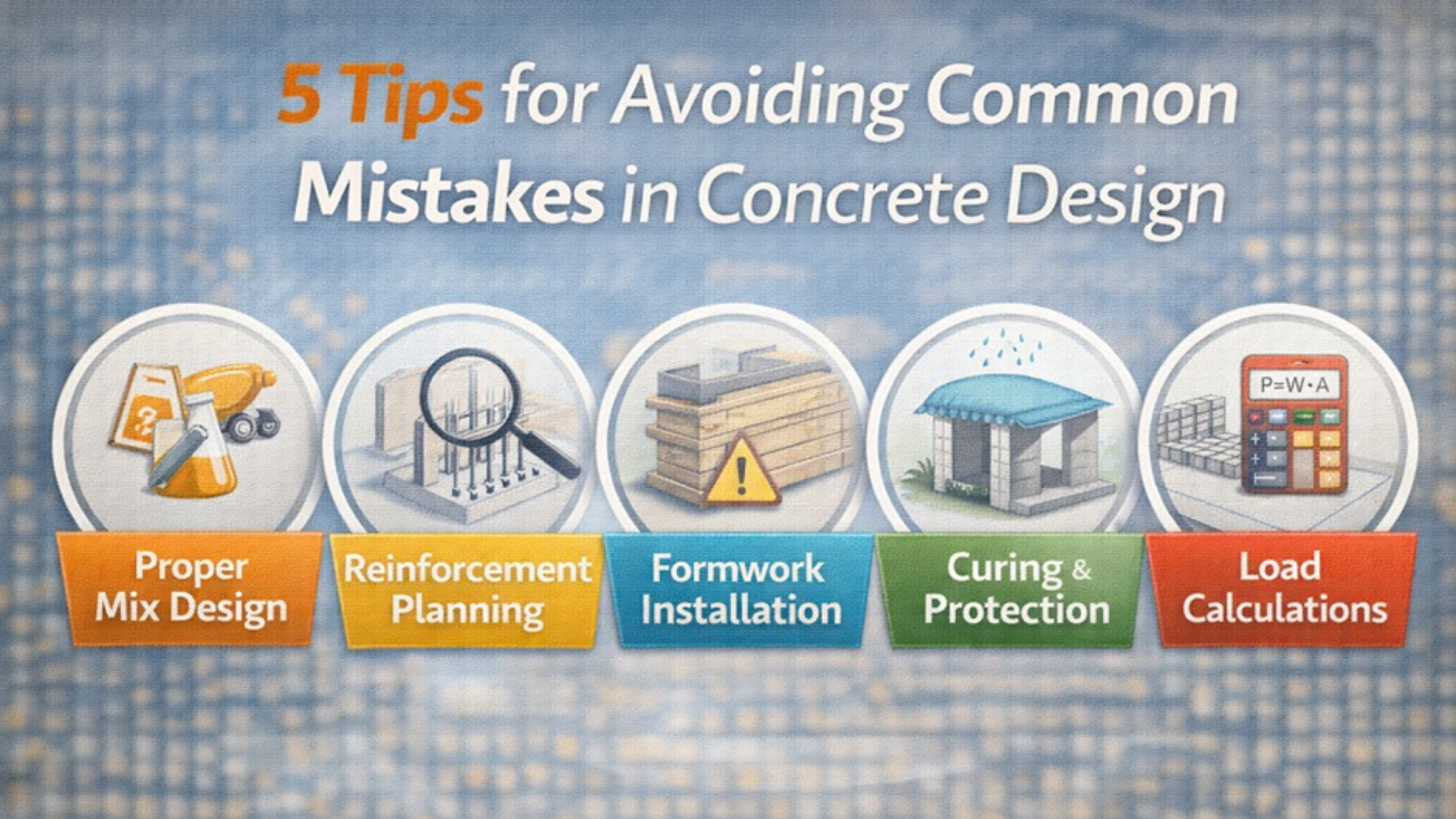
In this guide, we’ll walk you through five essential tips to help you avoid the most common concrete design pitfalls. From understanding how local climate conditions can affect your project to choosing the right professionals for the job, you’ll gain practical knowledge that could save you thousands. So, grab a cuppa, settle in, and let’s explore how to make your next concreting project a genuine success.
Understanding Unique Climate Challenges
How Does Weather Affect Concrete Curing?
Local weather is well known for its unpredictability—four seasons in one day isn’t just a saying. This creates real challenges for concrete curing, which requires stable conditions to achieve optimal strength and long-term durability.
When temperatures fluctuate significantly, concrete can cure unevenly, leading to surface defects and reduced structural performance. Hot days can accelerate moisture loss from the surface, increasing the risk of early shrinkage cracks before the concrete has properly set. On the other hand, cold snaps slow the chemical reactions needed for curing, leaving the concrete vulnerable for longer periods.
Understanding these conditions is essential for scheduling your pour correctly and protecting the quality of your finished concrete.
Preparing for Temperature Fluctuations and Moisture Levels
Smart preparation means monitoring weather forecasts closely in the days leading up to your pour. Aim for mild conditions—ideally between 10°C and 25°C—and avoid pouring during extreme weather events. If you must work in challenging conditions, your contractor should use additives to adjust curing times and implement protective measures like curing blankets or shade structures.
Seasonal considerations matter too. Spring and autumn typically offer the most stable conditions in Victoria, while summer pours require early morning starts and winter projects need extra curing time allowances.
Choosing the Right Concrete Mix for Your Project
What Type of Concrete Is Best for Driveways?
Not all concrete is created equal, and selecting the wrong mix is one of the most frequent mistakes homeowners make. For driveways, you'll typically need a minimum 25 MPa (megapascal) strength rating to handle vehicle traffic. However, if you're parking heavy vehicles or trailers regularly, bumping up to 32 MPa provides extra durability and peace of mind.
Residential and commercial requirements differ significantly. A backyard patio can often get away with a lower-grade mix, while commercial applications demand higher specifications to meet building codes and withstand heavier use. Your contractor should assess your specific needs and recommend accordingly.
Understanding Concrete Grades and Strength Ratings
Concrete grades indicate compressive strength measured in megapascals. Here's a quick breakdown:
· 20 MPa: Suitable for footpaths, garden edging, and light-duty applications
· 25 MPa: Standard for residential driveways and patios
· 32 MPa: Heavy-duty residential or light commercial use
· 40 MPa+: Commercial and industrial applications
Don't be tempted to save money by choosing a lower grade than recommended. The few dollars saved upfront will cost you significantly more when premature failure occurs.
Proper Site Preparation and Foundation Work
Why Do Concrete Slabs Crack After Installation?
Here’s a frustrating truth: many concrete failures can be traced back to poor groundwork rather than problems with the concrete itself. Clay-heavy soils are especially challenging because they expand when wet and shrink during dry periods. This constant ground movement places significant stress on concrete slabs, which can lead to cracking, lifting, and uneven surfaces over time.
Essential steps for soil preparation include removing all organic matter, compacting the subgrade thoroughly, and installing appropriate aggregate base layers. In clay-heavy areas, you might need deeper excavation and thicker base materials to create a stable foundation. Skipping these steps is like building a house without proper footings—it might look fine initially, but problems are inevitable.
Getting Drainage Right Before You Pour
Water is concrete's enemy after installation. Poor drainage causes water to pool against or under your slab, eroding the base material and creating voids that lead to cracking and sinking. Before any concrete is poured, your site should have proper grading to direct water away from structures, along with adequate drainage solutions where necessary.
Reinforcement and Structural Integrity
Does All Concrete Need Reinforcement?
While not every concrete application requires reinforcement, most residential projects benefit from it. Reinforcement helps distribute loads more evenly, controls crack width and provides additional tensile strength that concrete on its own simply doesn’t have. Think of it as insurance against the everyday stresses your concrete will face throughout its lifespan.
Common Reinforcement Mistakes That Lead to Costly Repairs
One of the biggest errors is placing reinforcement at the wrong depth. Steel mesh or rebar sitting at the bottom of a slab does virtually nothing—it needs to be positioned in the lower third of the slab thickness to work effectively. Using inadequate overlap between mesh sheets or choosing the wrong gauge for your application also compromises structural performance.
When deciding between steel mesh and rebar, consider your project's specific requirements. Steel mesh works well for driveways and pathways, providing consistent coverage against random cracking. Rebar offers superior strength for heavier loads or spans but requires more precise installation. Your contractor should specify the appropriate option based on your project's demands.
Curing, Finishing and Aftercare Best Practices
How Long Should Concrete Cure Before Use?
Patience is essential here, even though it's tempting to use your new driveway or patio immediately. Concrete reaches approximately 70% of its design strength after seven days and continues strengthening for weeks afterwards. As a general rule, avoid foot traffic for at least 24-48 hours, light vehicle traffic for seven days, and heavy loads for at least 28 days.
Avoiding Surface Defects and Discolouration
Surface problems often result from improper finishing techniques or premature exposure to water. Trowelling concrete too early traps bleed water beneath the surface, causing delamination and scaling later. Discolouration can occur when curing compounds are applied unevenly or when different batches of concrete are used without proper mixing.
Maintenance tips to extend your concrete's lifespan include regular cleaning, prompt repair of any cracks that develop, and periodic resealing for exposed aggregate or coloured finishes. These simple steps can add years to your concrete's service life.
Hiring the Right Concreting Professionals
What Should I Look for in a Concrete Contractor?
Finding a capable contractor can make the difference between a successful project and an expensive nightmare. Start by verifying their licensing and insurance— in Victoria, concrete work over certain values must be carried out by a registered builder or an appropriately licensed tradesperson.
Take time to check reviews across multiple platforms, ask for recent references, and request to see examples of similar completed projects. A reputable contractor should be transparent about their experience and happy to show you real results from past work.
Questions to Ask Before Signing a Concreting Quote
Before committing, ask about their concrete suppliers, site preparation methods, reinforcement specifications, and curing procedures. A reputable contractor will welcome these questions and explain their approach clearly. Get everything in writing, including concrete grades, reinforcement details, finish specifications, and warranty terms.
Red flags to watch out for include significantly lower quotes than competitors (often indicating corners will be cut), reluctance to provide written specifications, no evidence of insurance, and pressure to make quick decisions. Trust your instincts—if something feels off, keep looking.
Your Next Steps Towards Concrete Success
To recap, successful concrete projects in Melbourne require an understanding of local climate challenges, the right mix design, thorough site preparation, proper reinforcement, and patience during the curing process. Each of these elements plays a vital role in achieving durable, attractive results that truly stand the test of time.
Putting these best practices into action becomes far easier when you work with experienced local professionals offering concreting in Melbourne, who understand site conditions, council requirements, and long-term performance expectations.
Whether you’re planning a new driveway, extending your patio, or tackling a more complex concrete project, informed decisions and the right contractor are your strongest protection against long-term issues. You now have the knowledge to ask the right questions, identify potential problems early, and move forward with confidence. Your future self—enjoying a smooth, long-lasting concrete surface—will thank you for doing the groundwork properly.