

This article is part of the HOGDigest editorial series. → Explore HOGDigest
As people age, cognitive conditions such as Alzheimer's disease and other forms of dementia become increasingly common. These conditions can affect memory, communication, judgment, and the ability to perform everyday tasks. While families often do everything they can to support their loved ones, there may come a point when specialized care is needed to ensure safety, comfort, and quality of life. This is where memory care Pocatello can provide tremendous value.
Memory care communities are specifically designed to meet the unique needs of seniors experiencing memory loss. Through specialized support, structured routines, and trained caregivers, memory care helps residents maintain dignity while providing families with peace of mind.
What Is Memory Care?
Memory care is a specialized form of senior living designed for individuals living with Alzheimer's disease, dementia, or other memory-related conditions. Unlike traditional assisted living, memory care programs focus on addressing the cognitive, emotional, and physical challenges associated with memory loss.
Memory care communities offer secure environments, personalized care plans, and activities specifically designed to support cognitive function and enhance daily living. Caregivers receive specialized training to understand the behaviors and needs commonly associated with dementia and memory impairment. The goal is to provide a safe, supportive setting where residents can thrive while receiving the care they need.
Enhanced Safety and Security
One of the greatest benefits of memory care is the added level of safety it provides. Memory loss can increase the risk of wandering, confusion, falls, and other situations that may place seniors in danger.
Memory care communities are designed with security in mind. Features often include secured entrances and exits, monitored environments, emergency response systems, and layouts that help residents navigate more easily. These safety measures help protect residents while allowing them to maintain as much independence as possible within a secure setting.
Specialized Care from Trained Professionals
Caring for someone with dementia requires a unique set of skills and knowledge. Memory care staff are specially trained to understand cognitive decline, communication challenges, and behavioral changes associated with memory-related conditions.
These caregivers know how to respond with patience, compassion, and effective techniques that help reduce anxiety and frustration. Their specialized training allows them to provide personalized support while promoting comfort and dignity. For families, knowing their loved one is receiving care from experienced professionals can provide significant peace of mind.
Structured Daily Routines
Individuals living with dementia often benefit from consistency and routine. Predictable schedules can help reduce confusion, anxiety, and agitation while creating a greater sense of security.
Memory care communities typically provide structured daily routines that include meals, activities, personal care, exercise, and social engagement. These routines help residents maintain familiarity and stability throughout the day. A structured environment can contribute to improved emotional well-being and a more positive daily experience.
Opportunities for Social Engagement
Isolation and loneliness can be significant concerns for seniors with memory loss. Memory care communities provide regular opportunities for social interaction and meaningful engagement with peers and caregivers.
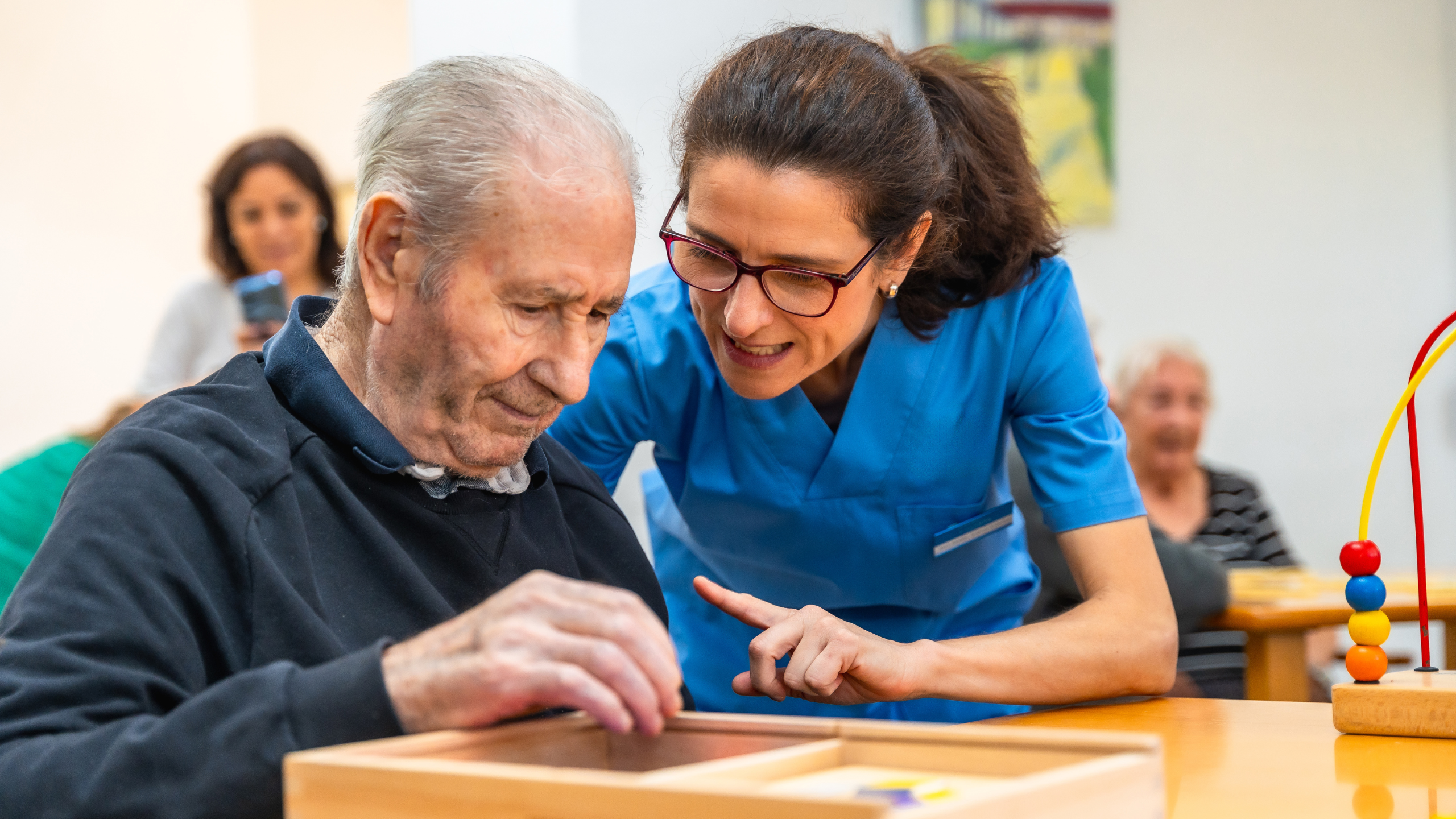
Residents can participate in group activities, games, music programs, exercise classes, arts and crafts, and other events designed to encourage connection and enjoyment. Social engagement helps support emotional health while fostering a sense of belonging and community. Even simple interactions throughout the day can positively impact a resident's mood and overall quality of life.
Activities Designed for Cognitive Support
Memory care programs often include activities specifically tailored to support cognitive function and stimulate the mind. While these activities do not cure dementia, they can help promote engagement, preserve abilities, and encourage meaningful participation.
Examples may include:
- Memory exercises
- Music therapy
- Art therapy
- Reminiscence activities
- Puzzles and games
- Sensory experiences
- Gentle physical exercise
These programs are designed to meet residents where they are cognitively, while providing opportunities for success and enjoyment.
Assistance with Daily Living
As memory loss progresses, many seniors require assistance with everyday tasks. Memory care staff can provide support with activities such as:
- Bathing and grooming
- Dressing
- Medication management
- Meal assistance
- Mobility support
- Personal hygiene
This assistance helps residents maintain comfort, safety, and dignity while reducing the stress associated with daily routines.
Peace of Mind for Families
Watching a loved one experience memory loss can be emotionally challenging for family members. Many caregivers worry about their loved one's safety, health, and overall well-being, particularly when they can no longer provide around-the-clock care themselves.
Memory care offers families reassurance that their loved one is receiving professional support in a secure environment. Family members can spend more quality time with their loved one and focus on maintaining meaningful relationships rather than managing the demands of full-time caregiving. This support often benefits both the resident and their family members.
Personalized Care Plans for Individual Needs
Every senior experiences memory loss differently, which is why personalized care is an essential component of quality memory care services. Memory care communities develop individualized care plans based on each resident's cognitive abilities, health conditions, personal preferences, and daily needs. These plans are regularly reviewed and adjusted as circumstances change, ensuring that residents continue to receive the appropriate level of support. Personalized care helps caregivers better understand each resident's unique background, routines, and interests, allowing them to provide more meaningful interactions and tailored assistance. By focusing on the individual rather than just the condition, memory care communities can create a more comfortable and supportive environment that promotes both emotional well-being and overall quality of life.
Improving Quality of Life
Perhaps the greatest value of memory care is its ability to enhance overall quality of life. Through specialized care, social engagement, structured routines, and personalized support, memory care communities help residents maintain comfort, dignity, and purpose. While memory-related conditions present significant challenges, the right care environment can help seniors continue experiencing meaningful moments, positive interactions, and a sense of belonging.
Memory care provides far more than assistance with daily tasks—it offers specialized support designed to meet the unique needs of seniors living with Alzheimer's disease and other forms of dementia. From enhanced safety and trained caregivers to structured activities and social engagement, memory care helps create an environment where residents can live with dignity and comfort. For families facing the challenges of memory loss, memory care can provide peace of mind, professional support, and the reassurance that their loved one is receiving compassionate care tailored to their needs.