

This article is part of the HOGDigest editorial series. → Explore HOGDigest
Furniture plays a big part in how a home feels. A comfortable sofa, a soft armchair, a dining chair or a fabric footstool can make a room feel warm, relaxed and welcoming. But because these pieces are used every day, they can slowly collect dust, body oils, crumbs, pet hair and small spills without always looking dirty straight away.
Keeping furniture fresh is not only about appearance. Clean, well-cared-for upholstery can make a living room feel brighter, more comfortable and more pleasant to use. With the right habits, it is possible to protect your furniture and help it stay looking good for much longer.
Why Furniture Needs Regular Care
Fabric furniture is different from hard surfaces. A table can be wiped clean in seconds, but upholstery absorbs more from daily life. Sofas and chairs are used for relaxing, eating, watching TV, spending time with family and sometimes even working from home.
Over time, this can lead to:
● Light staining from food and drinks
● Dust settling into the fabric
● Pet hair and odours
● Body oils on armrests and headrests
● Flattened or tired-looking cushions
● A less fresh smell in the room
These changes often happen slowly, so many people only notice them when they compare the furniture with a cleaner area, such as the back of a cushion or a section that is not used as often.
Simple Habits That Help Protect Upholstery
Good furniture care does not need to be complicated. Small, regular habits can make a noticeable difference.
Vacuuming fabric furniture helps remove loose dust, crumbs and hair before they settle deeper into the fibres. A soft brush attachment is usually best because it is gentle on the surface. Pay attention to the gaps between cushions, where dirt often collects.
Spills should be dealt with quickly. Blot the area gently with a clean cloth rather than rubbing it. Rubbing can push the stain deeper into the fabric and may damage the surface. It is also sensible to check the care label before using any cleaning product.
Rotating cushions can also help. If the same seat is used every day, it will naturally wear faster. Turning and rotating cushions helps the fabric and filling wear more evenly.
Sunlight, Heat and Everyday Wear
Furniture placement can also affect how long fabrics stay looking fresh. Direct sunlight may fade some fabrics over time, especially darker colours. If a sofa sits near a bright window, using curtains, blinds or occasional repositioning can help reduce uneven fading.
Heat sources can also affect certain materials. Placing furniture too close to radiators may dry out some fabrics or leather finishes. Leaving a small gap can help protect the material and keep the room layout more balanced.
It is also worth thinking about high-use areas. Family sofas, reading chairs and dining seats often need more attention than decorative pieces. The more a piece is used, the more benefit it gets from regular care.
When Home Cleaning Is Not Enough
Regular vacuuming and quick spill care can help, but there comes a point when furniture needs a deeper clean. This is especially true when fabric starts to look tired, smells less fresh, or has stains that do not lift with normal care.
A deep clean can help remove dirt and residues that sit below the surface. For homes with children, pets, guests or heavy daily use, this can make a real difference to how the furniture looks and feels.
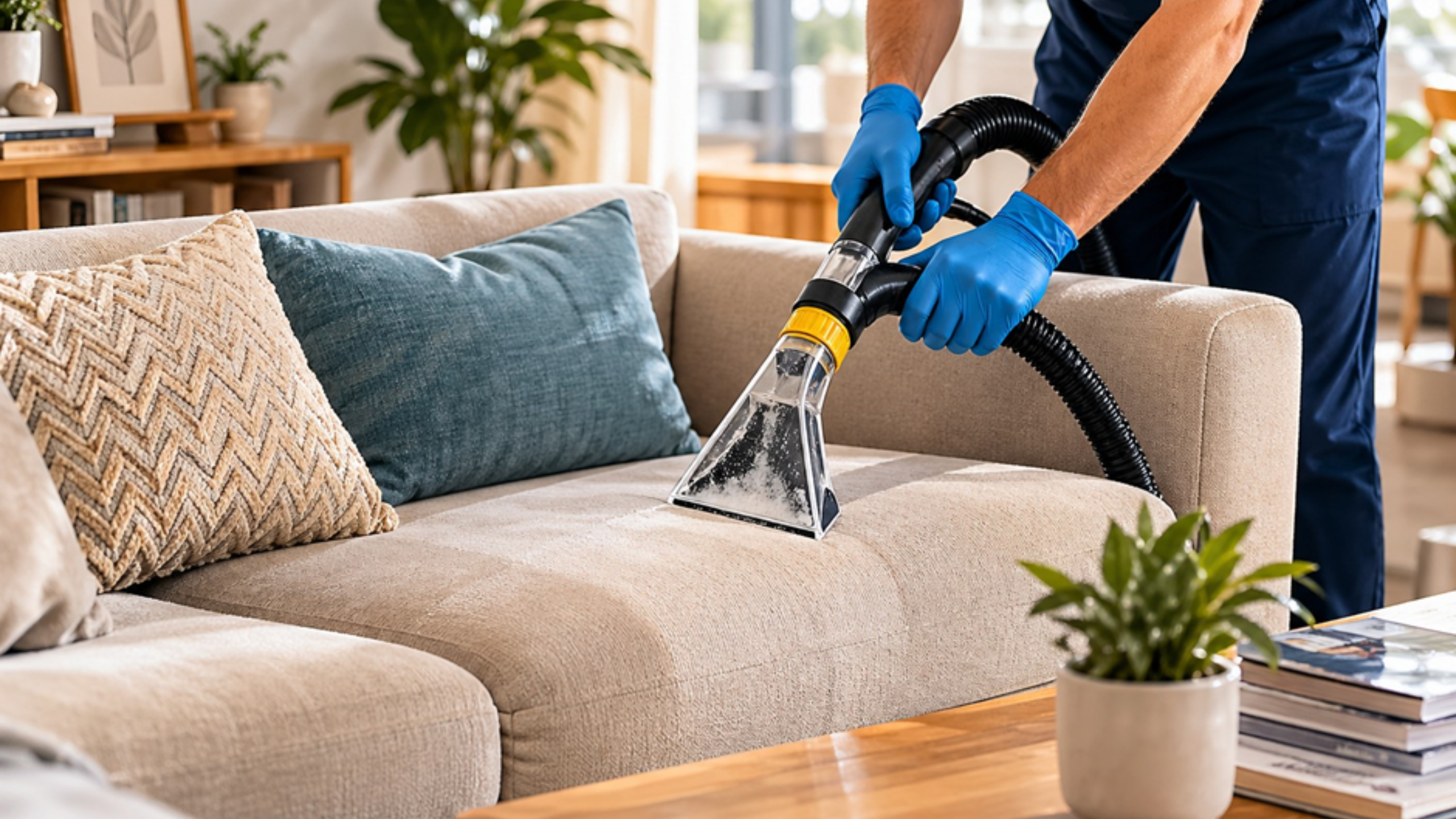
For fabric sofas, chairs and other upholstered items, a professional upholstery cleaning service can help restore freshness without the guesswork of using the wrong product or over-wetting the fabric.
Choosing the Right Cleaning Method
Not all upholstery should be treated the same way. Different fabrics react differently to moisture, heat and cleaning products. Some materials are more delicate, while others can handle deeper extraction cleaning.
Before cleaning any furniture, it is important to consider:
● The fabric type
● The age and condition of the item
● The type of stain or soiling
● Whether the fabric is colourfast
● The manufacturer’s care guidance
This is one reason professional cleaning can be useful. The right method helps clean the fabric while reducing the risk of damage, shrinkage or colour issues.
Keeping Furniture Fresh Between Cleans
Once furniture has been cleaned, a few simple habits can help keep it fresh for longer.
Try to avoid eating messy food on fabric sofas where possible. Use throws on high-use seating areas if you have pets or young children. Keep windows open when suitable to improve airflow, and vacuum upholstery as part of your normal cleaning routine.
If the furniture is used heavily, it may benefit from a deeper clean once or twice a year. Light-use pieces may not need cleaning as often, but they should still be maintained so dust and odours do not build up.
A Fresher Home Starts with the Pieces You Use Every Day
Furniture is not just decoration. It is part of daily life. Sofas, chairs and cushions are touched and used constantly, so keeping them clean can change the feel of the whole room.
Fresh upholstery can make a home feel more comfortable, more cared for and more inviting. Whether it is a family sofa, a favourite armchair or dining chairs used every day, regular care helps protect the furniture and the room around it.
For homeowners who want reliable help with fabric furniture and other cleaning needs, Local Expert Cleaning provides professional cleaning services designed to keep homes looking cleaner, fresher and more comfortable.