

This article is part of the HOGDigest editorial series. → Explore HOGDigest
Switching to clean power starts with finding a partner you can trust, and that's harder than it sounds in such a crowded market. If you're comparing options, EcoHubMap's renewable energy companies directory is a good place to start narrowing the field, since it groups verified solar, wind, hydropower, bioenergy, and geothermal providers from more than 200 countries in one searchable list. Before you pick a name off that list, though, it helps to understand what actually separates a solid renewable energy company from one that's just riding the sustainability trend.
What Counts as a Renewable Energy Company
A renewable energy company designs, builds, finances, or supplies power generated from sources that naturally replenish themselves — sunlight, wind, flowing water, organic matter, and heat from inside the Earth. That's a broad category. It includes utility-scale developers building offshore wind farms, regional installers putting solar panels on warehouse roofs, and small startups selling battery storage systems to homeowners. What ties them together is that their core product either generates clean electricity or helps someone else do it more efficiently.
This matters because "renewable energy company" gets used loosely in marketing. A traditional utility that added a small solar division, or a manufacturer that sells one green product line alongside a mostly fossil-fuel business, isn't the same as a company built around clean generation. When you're evaluating a potential partner or vendor, checking what share of their business is actually renewable — not just what their homepage says — is worth the extra five minutes.
The Five Main Types You'll Run Into
Most companies in this space specialize in one of five energy sources, and each comes with different trade-offs:
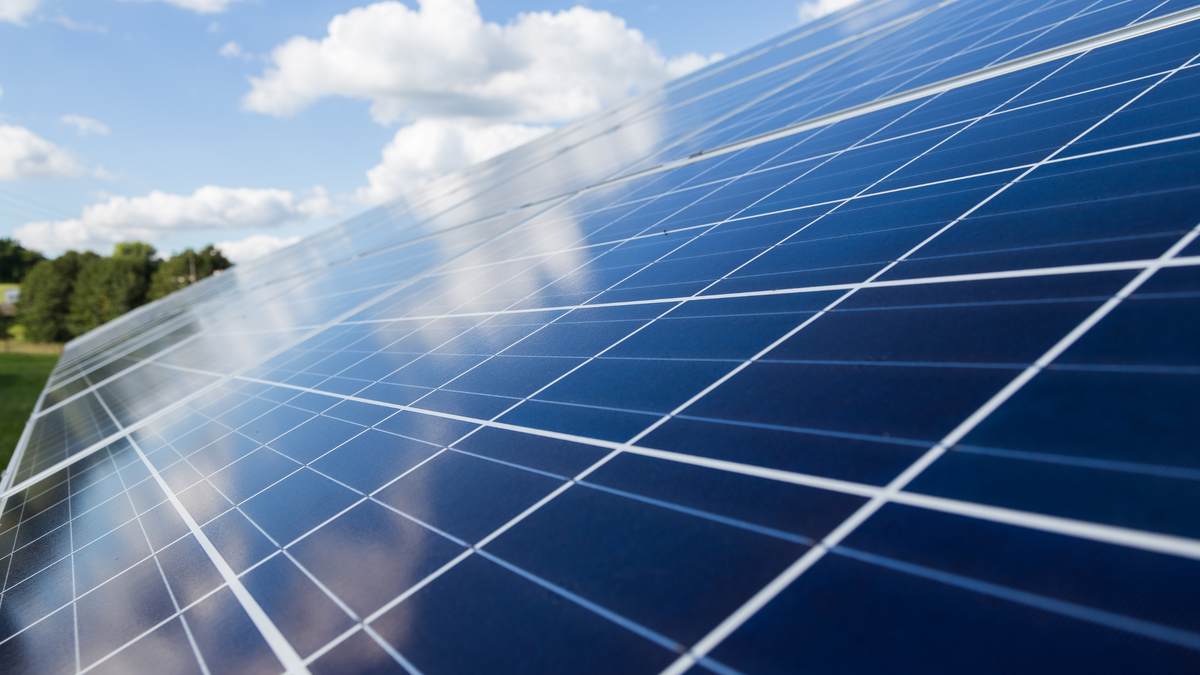
Solar is the most accessible entry point for both businesses and homeowners, with costs that have dropped dramatically over the past decade. It works almost anywhere with reasonable sun exposure, though output varies by season and geography.
Wind delivers some of the lowest costs per kilowatt-hour at scale, but it's location-dependent and usually requires either open land or offshore infrastructure, which puts it out of reach for smaller buyers acting alone.
Hydropower remains the largest source of renewable electricity globally and offers consistent, weather-independent output, though environmental and geographic constraints increasingly limit new large-scale projects.
Bioenergy converts organic waste—crop residue, wood byproducts, even landfill gas—into power or fuel, making it useful for industries that already generate a lot of biomass waste.
Geothermal taps heat from underground to generate electricity or provide direct heating and cooling. It's extremely reliable where the geology supports it, but the upfront drilling and infrastructure costs are steep.
Knowing which category a company operates in tells you a lot about what kind of project, timeline, and budget you should expect before you even get on a call with them.
Why More Organizations Are Making the Switch
The shift toward renewable energy providers isn't just about optics anymore. Energy costs from fossil fuel sources fluctuate with geopolitical events and supply constraints, while renewable generation — once installed — has largely predictable, low marginal costs. That price stability is a real operational advantage for any business trying to plan budgets more than a quarter out.
Regulators, investors, and customers are also putting mounting pressure on companies. Many regions now require emissions disclosures or offer tax incentives specifically for renewable adoption, and a growing number of corporate buyers ask their suppliers for sustainability commitments as a condition of doing business. Companies that can point to a real renewable energy contract, not just a pledge, have an easier time meeting those requirements.
Finally, there's talent. Employees, particularly younger hires, increasingly weigh a company's environmental practices when deciding where to work. Partnering with a credible renewable energy provider is one of the more concrete ways an organization can back up its sustainability claims with something verifiable.
How to Actually Choose One
Once you've decided renewable energy makes sense for your business, the harder part is picking the right company. A few criteria consistently separate good decisions from expensive mistakes:
Climate and geography. Solar makes sense in sunny regions with available roof or land space; wind favors open or coastal areas; hydropower and geothermal depend entirely on local terrain. A company that pushes one technology, regardless of your location, is a red flag.
Total cost, not just sticker price. Compare installation, financing, maintenance, and expected payback period together. Some renewable energy companies offer power purchase agreements with no upfront cost, which can make sense for organizations that don't want to tie up capital.
Track record and certifications. Look for verifiable past projects, industry certifications, and — where relevant — local licensing. A company's own case studies are a start, but third-party reviews and regulatory filings tell you more.
Scalability. If your energy needs will grow, ask how the system or contract accommodates that. Retrofitting undersized systems later is almost always more expensive than planning for capacity upfront.
Environmental impact beyond the pitch. Some "green" providers still have supply chains or manufacturing processes with significant footprints. Ask direct questions about sourcing and lifecycle emissions rather than taking a mission statement at face value.
Filtering by these factors against a directory of options — rather than the first company that shows up in a search or cold email — tends to produce better long-term outcomes, especially for organizations making a decision they'll live with for a decade or more.
Questions to Ask Before You Sign Anything
Even a company that looks strong on paper deserves a direct conversation before you commit. A short list of questions can surface the details marketing pages leave out.
Ask how long the company has operated in your specific region, not just how long it's been in business overall — a provider with a decade of experience in one market can still be new to yours, with untested local permitting relationships and supply chains. Ask what happens if a project runs over budget or behind schedule, and get that answer in writing rather than as a verbal reassurance. Ask who actually performs the installation or maintenance work: some renewable energy companies subcontract the physical labor, which isn't necessarily a problem, but you want to know who's accountable if something goes wrong.
It's also worth asking about decommissioning and end-of-life plans for equipment, particularly for solar panels and batteries, since responsible disposal and recycling are becoming bigger considerations as the industry matures. A company that has a clear answer here is usually more transparent across the board.
Finally, ask for references you can actually contact — not just logos on a website. A five-minute call with a past client, especially one in a similar industry or facility size, often tells you more than an hour of sales material.
Getting Started
Renewable energy is no longer a niche choice reserved for large corporations with dedicated sustainability teams. Solar installers, wind developers, and clean energy startups now serve businesses of nearly every size, and the number of credible options keeps growing each year. The work is in matching the right technology and provider to your specific location, budget, and timeline — not in convincing yourself that going renewable is worth it.
Start by comparing a few verified companies against the criteria above, ask the pointed questions about cost, track record, and accountability, and resist the urge to sign with the first vendor that responds quickly. The renewable energy market rewards buyers who take the time to compare properly, since the difference between an average provider and a strong one usually shows up years later—in reliability, service response times, and whether the system still performs as promised. A little extra diligence up front is a small price for a decision you'll be living with for a long time.