

This article is part of the HOGDigest editorial series. → Explore HOGDigest
Introduction
Creating a home that feels harmonious and inviting starts with how well your furniture works together. A cohesive design is the result of thoughtful planning, attention to detail, and a clear understanding of your personal style. When furniture pieces complement each other, they create a sense of balance that makes every room feel intentional and comfortable. This guide will walk you through the essentials of achieving a perfectly coordinated look, from choosing a color palette to mixing textures and styles in a way that feels natural.
Start with a Unified Color Palette
Color is the foundation of any cohesive design. Before purchasing new pieces, decide on a palette that reflects your taste and suits your home’s architecture. Neutral tones like beige, gray, and white are timeless and versatile, while bold accents can add personality without overwhelming the space. If you prefer a more vibrant look, choose two or three complementary colors and repeat them throughout your rooms. This repetition creates visual continuity, making your furniture feel like part of a larger design story rather than isolated elements.
Balance Styles for Visual Harmony
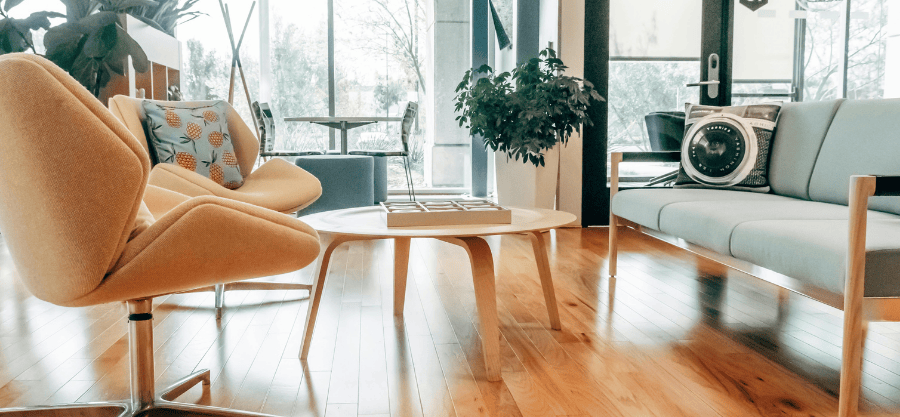
A common misconception is that every piece of furniture must match perfectly. In reality, mixing styles can create depth and interest as long as there’s a sense of balance. For example, pairing a modern sofa with a rustic coffee table can work beautifully if they share a similar color tone or material finish. The key is to identify a unifying element, such as wood accents or metal hardware, and carry it through multiple pieces. This approach allows you to express individuality while maintaining a coordinated look.
Pay Attention to Scale and Proportion
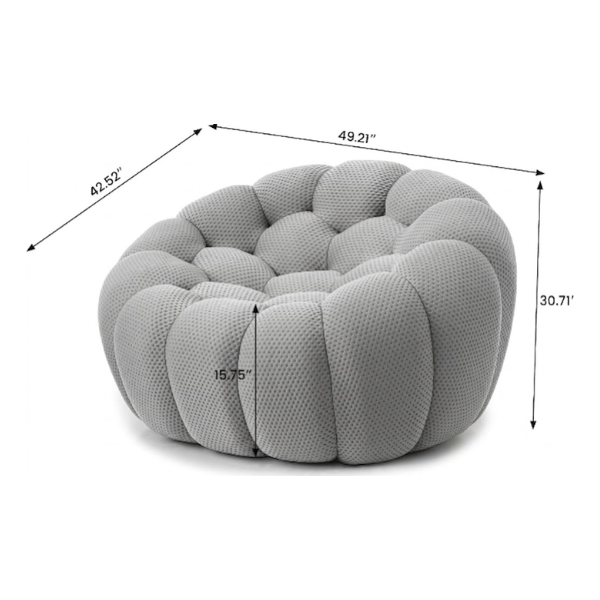
Even the most stylish furniture can look out of place if it’s not scaled appropriately for the room. Large sectional sofas may overwhelm a small living area, while tiny chairs can feel lost in a spacious open floor plan. Before buying, measure your space and consider how each piece will interact with others. Aim for proportional relationships; tables should align with the height of seating, and rugs should anchor the furniture without leaving awkward gaps. Proper scale ensures that your design feels balanced and functional.
Incorporate Texture for Depth and Warmth
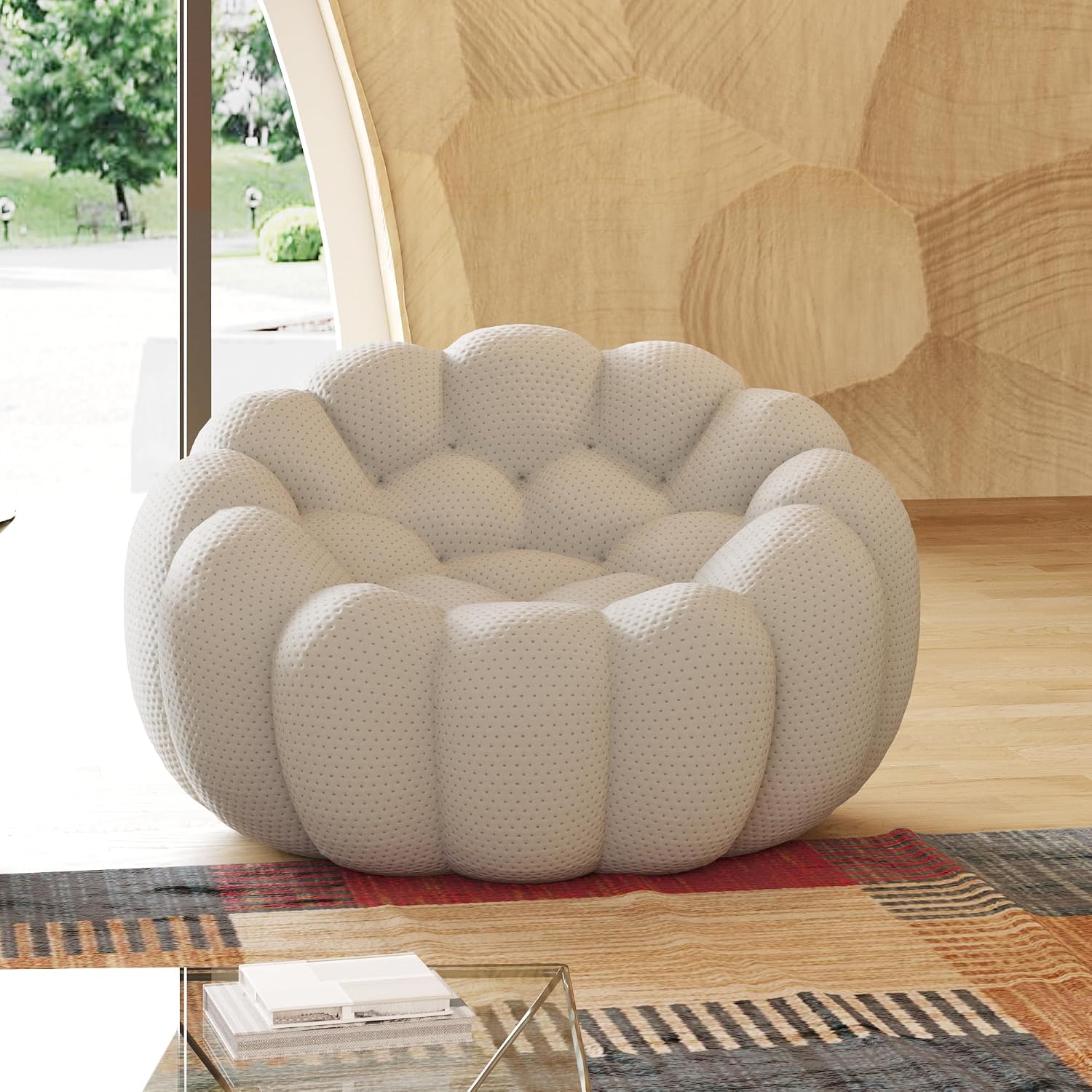
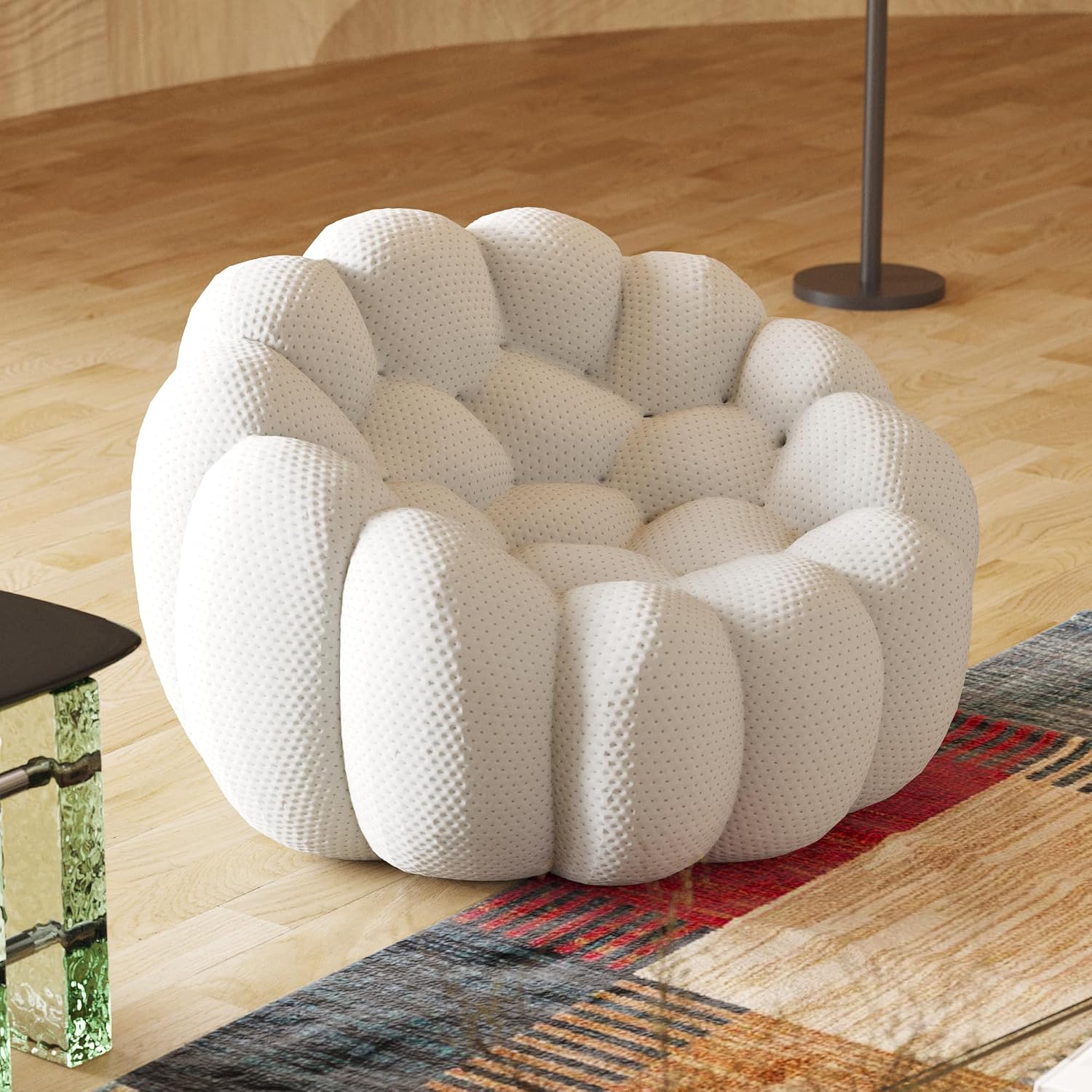
Texture plays a crucial role in creating a cohesive yet dynamic environment. Smooth leather, soft fabrics, and natural wood grains can coexist beautifully when layered thoughtfully. If your furniture leans toward sleek and modern, add warmth with a textured throw or a woven rug. Conversely, if your pieces are predominantly rustic, introduce polished surfaces for contrast. This interplay of textures prevents the space from feeling flat and adds a tactile dimension that enhances comfort and style.
Where to Find Coordinated Pieces
Once you have a clear vision, sourcing the right furniture becomes the next challenge. Visiting retail furniture stores in Surfside Beach, SC or your area can be an excellent starting point. Local retailers often offer curated collections that make coordination easier, and you’ll have the advantage of seeing pieces in person before committing. Many stores also provide design consultations, helping you select items that align with your chosen color palette, style, and scale. Whether you’re furnishing a single room or an entire home, these resources can simplify the process and ensure your space feels cohesive from top to bottom.
Conclusion
A perfectly coordinated home is a reflection of your personality and lifestyle. By focusing on color, style balance, proportion, and texture, you can create spaces that feel harmonious and inviting. With careful planning and a thoughtful approach to sourcing, your home will not only look beautiful but also function seamlessly for years to come.
Author bio: