

This article is part of the HOGDigest editorial series. → Explore HOGDigest
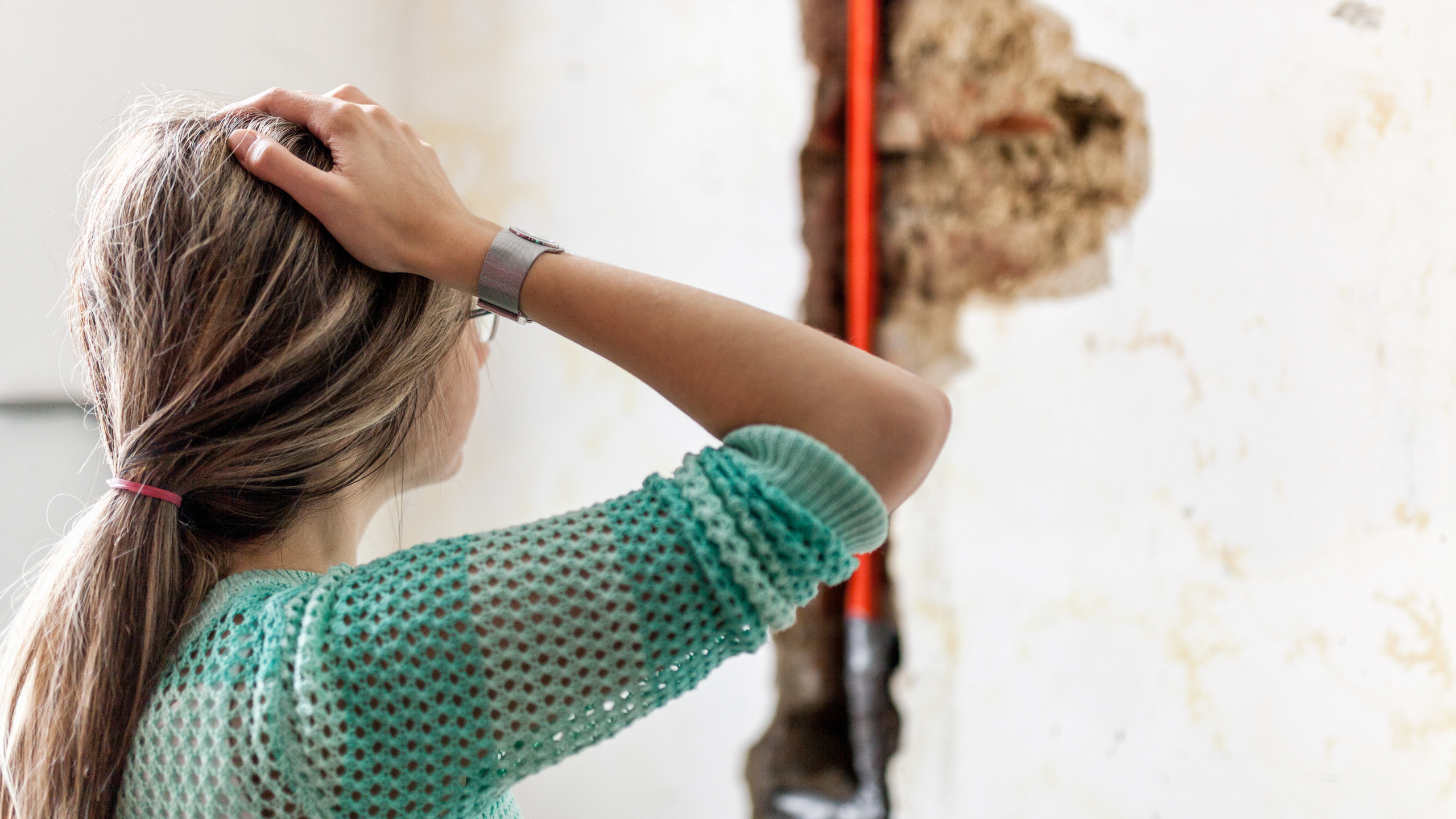
Most people have never dealt with serious water damage before, so it's normal to be unsure of what to do first. Don't panic. Instead of trying to do everything at once, focus on one step at a time. This article covers the essential steps to help you manage water damage effectively.
Step-by-Step Water Damage Checklist
Water damage can get worse within hours, so taking the right steps in the correct order can reduce repair costs and protect your property. Use this checklist to respond quickly and safely.
1. Make Sure You Are Safe
Before you even touch the water, you must check for hidden dangers. Water and electrical equipment can create a serious safety hazard. If water has reached your wall outlets or any appliances, do not walk into that room.
- The Power: Go to your breaker box and turn off the power to the wet areas. Only do this if you can reach the box without stepping in water. If you have to stand in a puddle to reach the switch, stop. Call your electric company and ask them to shut off the power from the outside.
- The Ceiling: If a ceiling is sagging or looks like it is bulging with water, stay out of that room. It could fall at any moment.
- Protection: Even if the water looks clean, it might have germs. Wear rubber boots and waterproof gloves. An N95 mask is also a good idea so you don't breathe in any mold spores or dirty mist.
2. Stop the Water
The first priority is to stop the source of the water before cleanup begins.
- Pipe Leaks: Find your main water shutoff valve and turn it all the way off.
- Roof or Storms: If the water is coming from a hole in the roof or a flood, you might need to put up a temporary tarp or wait for the rain to stop.
3. Figure Out What Kind of Water You Have
The type of water in your home changes how you clean it. Experts put water into three groups based on how dirty it is:
| Water Type | Where it Comes From | How Dangerous is it? |
| Clean Water | Broken pipes, sinks, or rain. | Low risk if you dry it fast. |
| Gray Water | Dishwashers or washing machines. | Moderate risk; it has some germs. |
| Black Water | Sewage or floodwater from outside. | High risk; treat this as a health hazard. |
If you have sewage or floodwater (Black Water), do not try to clean it yourself. This water carries bacteria and viruses that can make you very sick.
4. Take Photos Before You Clean
This is the step most people forget because they are in a hurry to start mopping. Wait. Your insurance company needs proof of the damage as it happened.
- Wide Shots: Take photos of every room from the doorway so the adjuster can see how big the mess is.
- The Source: Take a picture of the burst pipe or the leaking appliance.
- The Water Line: If there is a line on the wall showing how high the water got, take a close-up of that.
- Items: Don't throw away a soaked rug or chair until you have a photo of the brand label or serial number.
5. Get the Standing Water Out
With the damage documented, the next step is to remove any standing water as quickly as possible.
- Small Puddles: Use towels, mops, or a wet/dry shop vacuum for water that is less than an inch deep.
- Deep Water: If the water is more than three inches deep, your home shop vac won't be enough. You will likely need a professional with a truck-mounted pump to get it out fast.
6. Start the Drying Process
Drying the floor is only the first part. You also have to dry the air and the inside of the walls.
- Airflow: Set up fans to blow air across the wet surfaces.
- Humidity: Run a dehumidifier 24/7. This pulls the water out of the air so it doesn't soak back into your furniture.
- Windows: Only open windows if the air outside is drier than the air inside. If it is a humid, rainy day, keep the windows closed and run the A/C or dehumidifier instead.
7. What Can You Save?
Items that are "porous", meaning they have tiny holes that soak up water, are the hardest to save.
| Item | Can You Save It? |
| Solid Wood | Usually yes. Clean it and dry it in the shade. |
| Carpet Padding | No. It acts like a sponge and holds germs. Throw it away. |
| Drywall | Only if it was wet for a short time and didn't swell. |
| Particle Board | Rarely. This material swells and falls apart when wet. |
8. Use a Moisture Meter
You cannot tell if a wall is dry just by looking at it. A moisture meter is a small tool that tells you exactly how much water is hidden inside a material.
- Good Reading: You want to see a number between 6% and 12%.
- Bad Reading: If the meter shows 20% or more, that material is still wet enough to grow mold or start rotting. You need to keep the fans running or consider cutting that part of the wall out.
9. When Should You Call a Pro?
You can probably handle a small overflow from a sink on your own. However, you should call a professional restoration company if:
- The water is from a sewer or a flood.
- The water got into your electrical system.
- The damage is in more than one room.
- You can already smell a musty, moldy odor.
Look for a company that is licensed and has "IICRC" certification. This means they have the right training and equipment to make sure your home is actually dry and safe to live in again.
Summary Checklist for the First 48 Hours
- Turn off the power if it is safe to reach the breaker.
- Shut off the main water valve.
- Take photos and videos of everything.
- Report the claim and ask what they need from you.
- Get the standing water out with a shop vac or pump.
- Use fans and a dehumidifier together.
- Move solid wood furniture to a dry area; toss soaked padding.
- Check moisture levels daily with a meter.
Conclusion
Water damage can be a frustrating experience, but a simple action plan makes the situation much easier to manage. You should always prioritize your safety first, then follow the steps to manage the water damage. Quick action in the first 24 to 48 hours is the most effective way for cost savings.
Remember that good documentation can make your insurance claim much easier to process. Keep your photos, moisture logs, and receipts in a single folder to ensure the adjuster has everything they need to approve your claim. If you stay calm and follow these steps, you can restore your home to a safe, dry, and healthy condition.