

This article is part of the HOGDigest editorial series. → Explore HOGDigest
When you experience water damage, how quickly you respond is critical to maintaining your property's stability. According to EPA and CDC guidelines, homeowners have a golden window of 24 to 48 hours to remove moisture before mold colonization begins. During this time, emergency water damage restoration can help prevent further damage. After that, repair costs and health risks can increase significantly.
Usually, water damage takes 3 to 5 days to dry under professional conditions. Even if surfaces look dry, moisture can still be present inside walls, floors, and other building materials. Professionals use commercial-grade equipment to remove moisture and make sure the building is dry and safe.
Typical Drying Timelines for Common Materials
Different parts of your home release water at different speeds. Dense materials like wood and concrete hold onto moisture for a long time.
| Affected Material | Estimated Drying Time | Professional Considerations |
| Surface Water (Tile, Stone) | 24-48 Hours | Dries fast once standing water is removed. |
| Drywall & Baseboards | 3-5 Days | Drywall wicks moisture upward into the wall. |
| Subfloors & Wood Studs | 5-7+ Days | These materials are slow to release deep moisture. |
| Hardwood Floors | 5-10+ Days | Often requires specialized mat systems to save the wood. |
| Concrete & Crawl Spaces | 7-14+ Days | Concrete is porous and holds water for weeks. |
| Contaminated Water | 7+ Days | Often requires removal of materials for health reasons. |

The Critical 48-Hour Mold Window
You are in a race against time when water enters your home. Health experts at the EPA and CDC state that mold can begin to grow within 24 to 48 hours. This short window is the most important part of your recovery.
If you start the water damage repair process within this time, you have a good chance to prevent a mold problem. Once mold takes hold, the cost of the project can double or triple. Fast action helps keep your home safe and reduces the total bill.
Why "Touch-Dry" Is Often a Trap
You might touch your wall and think the job is done. This is a common mistake. Drywall has a paper coat that dries quickly, but the wall's interior remains wet. If you stop the fans too early, you trap moisture inside, which leads to hidden rot and mold.
Professionals do not rely on touch to check for moisture. They use specialized tools to get accurate readings.
- Pinless Meters: These scan large areas of your walls or floors without leaving any marks.
- Pin Meters: These use small metal tips to measure the exact moisture level deep inside wood trim or subfloors.
A home is only truly dry when moisture readings match a "dry standard" from a part of the house that was not wet.
Factors That Affect Your Drying Speed
Every water damage situation is different. Several things determine how many days the equipment must be used.
- The Category of Water: Clean water from a broken pipe is the easiest to dry. "Gray water" from an appliance or "black water" from a sewer is more complex and often requires you to remove materials entirely.
- Indoor Humidity: If the air in the room is humid, moisture cannot dry properly.
- Airflow: Proper air movement across wet surfaces makes water evaporate much faster.
- Temperature: Professionals usually keep the room between 70°F and 80°F to improve drying.
The Science of Structural Drying
Professional water damage restoration is a scientific process with three main steps:
Water Extraction
This is the most important step. Powerful vacuums remove most of the liquid water. This is much faster than waiting for water to evaporate. Specialized tools can remove up to 97% of water from carpet and pads.
Evaporation
High-velocity air movers blow air across wet surfaces. This moves the moisture out of the material and into the air.
Dehumidification
Industrial dehumidifiers pull that moisture out of the air and pump it away. This keeps the room dry so more water can leave the walls.
Special Care for Hardwood and Basements
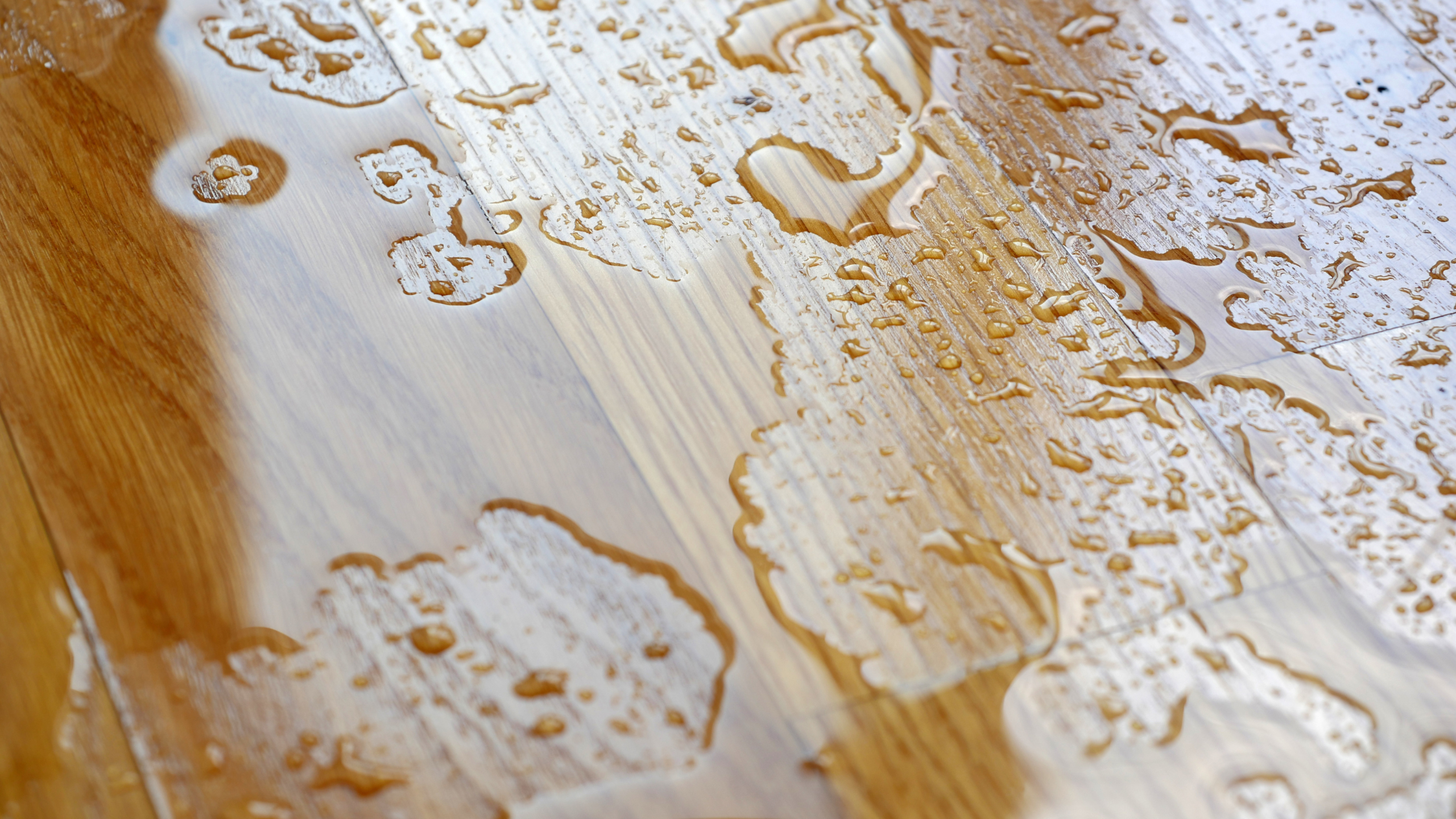
Hardwood floors require very specific tools. If you only dry the surface, the boards can "cup" or "buckle" permanently. Professionals use vacuum mats that pull moisture directly through the wood grain to keep the boards flat.
Basements are also unique because concrete holds so much water. Even after the room looks dry, the slab can release moisture for weeks. You should not install new flooring until a meter confirms the concrete is fully dry.
2026 Cost and Insurance Overview
In 2026, the national average cost for water damage restoration is $3,867. Most homeowners pay between $1,384 and $6,384 for the total project.
Standard homeowners insurance usually covers damage that is "sudden and accidental," such as a burst pipe. However, it typically does not cover natural floods or sewer backups unless you have a specific rider or a separate policy. If you act within the first 24 hours, you can avoid repair costs.
Quick Steps for Homeowners
If there is water damage in your home, act immediately by following these steps:
- Stop the water source by turning off the main valve.
- Stay safe and do not use electrical outlets near wet areas.
- Take photos and videos for your insurance claim before you move any items.
- Remove standing water with a wet/dry vacuum or mops.
- Call a professional for a moisture inspection and a structural drying plan.
- Keep the equipment running. Do not turn off professional fans at night, as this allows moisture to move back into your walls.
By moving quickly and using the right tools, you can protect your home and ensure your living space is safe and dry. A small effort today prevents a much larger problem next week.
Conclusion
Water damage is a race against the clock, and the first 24 to 48 hours are the most important for your home's health. While the drying process usually takes 3 to 5 days, the peace of mind that comes from professional verification is worth the wait. By acting quickly, using the right tools, and trusting the data from moisture meters, you can protect your investment and ensure your living space stays safe for years to come. If your home has experienced water damage, don’t wait for visible signs of trouble to appear. Acting quickly can help limit structural damage, reduce the risk of mold, and prevent costly repairs. Contact a professional water damage restoration team for a thorough moisture inspection and proper drying plan. The sooner you take action, the sooner you can restore your home to a safe, dry, and comfortable condition.