

This article is part of the HOGDigest editorial series. → Explore HOGDigest
Feeding a growing global population is one of the most significant challenges of the 21st century. Modern agriculture relies on a sophisticated toolkit of science and technology to maximize crop yields and ensure food security. Central to this effort are agrochemicals—powerful compounds designed to protect crops from the constant threats of pests, diseases, and weeds. These tools not only safeguard harvests but also play a direct role in promoting healthy plant growth.
This guide delves into the world of agricultural chemistry, exploring the critical roles of the "big three" crop protection agents: insecticide, fungicide, and herbicide. We will examine how these chemicals work, the persistent challenge of insect resistance, and the innovative science behind their development, including the specialized field of custom synthesis. Furthermore, we will provide insights for businesses looking to navigate the global market and partner with a reliable chemicals supplier China has to offer.
The Unseen Battle: Protecting Crops for a Growing World
In fields and farms across the globe, an unseen war is constantly being waged. Crops face a relentless barrage of threats that can devastate yields and compromise food quality. Without effective management strategies, a significant portion of the world's food supply could be lost before it ever reaches a dinner table. This is where agrochemicals provide an essential line of defense.
The Role of Insecticides in Modern Agriculture
Insects are one of the most formidable adversaries in farming. From leaf-chewing caterpillars to sap-sucking aphids, pests can cause direct physical damage to plants, stunt growth, and act as vectors for devastating viral diseases. An insecticide is a chemical substance specifically formulated to control or eliminate insect populations that threaten crops.
The mechanisms of action for insecticides are diverse. Some, known as contact insecticides, kill pests upon direct application. Others are systemic, meaning the plant absorbs the chemical through its roots or leaves, making the plant itself toxic to any insect that feeds on it. Insecticides are categorized into chemical families based on their structure and mode of action, such as organophosphates, pyrethroids, and neonicotinoids. The choice of insecticide depends on several factors, including the target pest, the type of crop, environmental conditions, and the stage of plant growth. Effective use of insecticides is crucial for preventing widespread crop failure and ensuring a stable food supply.
Combating Disease with Fungicides
Just like humans, plants are susceptible to a wide range of diseases, many of which are caused by pathogenic fungi. Fungal infections, such as rusts, mildews, and blights, can quickly spread through a field, leading to spotted leaves, rotted roots, and spoiled fruit. A fungicide is a specialized pesticide that kills or inhibits the growth of fungi and their spores.
Fungicides can be either protective or curative. Protective fungicides are applied before a fungal infection takes hold, creating a barrier on the plant's surface that prevents spores from germinating. In contrast, curative fungicides can stop an infection after it has started. Many modern fungicides are systemic, moving throughout the plant's tissues to provide comprehensive, long-lasting protection. By controlling fungal diseases, these chemicals help ensure that plants can reach their full potential, leading to healthier crops and higher yields.
Managing Competition with Herbicides
In any agricultural setting, crops must compete with weeds for essential resources like sunlight, water, and soil nutrients. Unchecked weed growth can quickly overwhelm a crop, choking out young plants and significantly reducing the final harvest. An herbicide is a chemical used to control unwanted vegetation.
Herbicides are broadly classified as either selective or non-selective. A selective herbicide is designed to kill specific types of weeds while leaving the desired crop unharmed. This is a cornerstone of modern row-crop farming, allowing for efficient weed control over large areas. Non-selective herbicides, on the other hand, kill most plants they come into contact with and are typically used for clearing land before planting or keeping fence lines clear. Herbicides are a vital tool for reducing the manual labor associated with weeding and enabling the large-scale, efficient farming practices needed to feed the world.
The Evolutionary Arms Race: The Challenge of Resistance
One of the most pressing challenges in modern agriculture is the development of resistance. Over time, populations of insects, fungi, and weeds can evolve to withstand the chemicals designed to control them. This is a natural process of selection; individuals that happen to have a genetic trait allowing them to survive a chemical application will reproduce, passing that trait on to their offspring.
Understanding Insect Resistance
Insect resistance is a particularly well-documented phenomenon. When the same insecticide is used repeatedly, it creates immense selective pressure on the pest population. The few insects that survive pass on their resilient genes, and over generations, the entire local population can become resistant, rendering the insecticide ineffective.
To combat this, farmers and agricultural scientists employ a strategy known as Integrated Pest Management (IPM). IPM involves using a variety of control methods in combination to reduce reliance on any single chemical. This includes rotating different classes of insecticides, preserving natural predators of pests, and using crop varieties that have inherent resistance. This multifaceted approach helps slow the evolution of insect resistance and prolongs the effectiveness of valuable chemical tools.
Resistance in Fungi and Weeds
The same principles of resistance apply to fungicides and herbicides. Fungal pathogens can evolve to be unaffected by a specific fungicide, and weed populations can become resistant to a commonly used herbicide. Glyphosate resistance in certain weed species is a prominent example of this challenge. Therefore, rotating chemical modes of action and integrating non-chemical control methods are critical for managing fungal diseases and weeds effectively in the long run.
The Science of Solutions: Custom Synthesis and Chemical Innovation
The constant need for new and more effective agrochemicals, coupled with the challenge of resistance, drives a continuous cycle of research and development. This is where advanced chemistry, particularly custom synthesis, plays a pivotal role.
Custom synthesis, also known as contract synthesis, is the process of creating specific chemical compounds on demand for a client. In the agrochemical industry, this is essential for several reasons:
-
Developing Novel Active Ingredients: Large agricultural science companies are constantly researching new molecules that could serve as the next generation of insecticides, fungicides, or herbicides. They may design a target molecule on a computer and then hire a specialized chemicals supplier China or elsewhere with expertise in custom synthesis to produce a small batch for testing. This allows them to screen hundreds of potential compounds efficiently.
-
Creating Intermediates and Reagents: The production of a complex agrochemical active ingredient often involves a multi-step process requiring several specialized chemical intermediates. A manufacturer might outsource the synthesis of these key building blocks to a company that has the specific technology and expertise required.
-
Investigating Modes of Action: Researchers use custom-synthesized molecules to study biological pathways in pests and plants. By creating variations of an existing molecule, they can better understand how it works, which can lead to the development of more targeted and effective products.
The ability to perform complex custom synthesis is a hallmark of a sophisticated chemical industry. It enables rapid innovation and allows companies to bring new solutions to farmers faster.
Promoting Plant Growth: Beyond Protection
While the primary role of the "big three" is protection, their effective use has a direct and positive impact on plant growth. By eliminating the stresses caused by pests, diseases, and weeds, these chemicals allow plants to allocate more energy to their own development. A plant that doesn't have to fend off an aphid infestation or compete with weeds for water can grow larger, produce more leaves for photosynthesis, and ultimately yield more grain or fruit.
In addition to protective chemicals, the agrochemical industry also produces substances specifically designed to enhance plant growth. These are known as plant growth regulators (PGRs). PGRs are organic compounds that can modify a plant's physiological processes. For example, some PGRs can be used to promote root development, encourage flowering, prevent fruit from dropping prematurely, or control a plant's size and shape. These compounds provide another layer of control, allowing farmers to manage their crops with even greater precision to maximize both yield and quality.
Sourcing from a Global Leader: The Role of the Chemicals Supplier in China
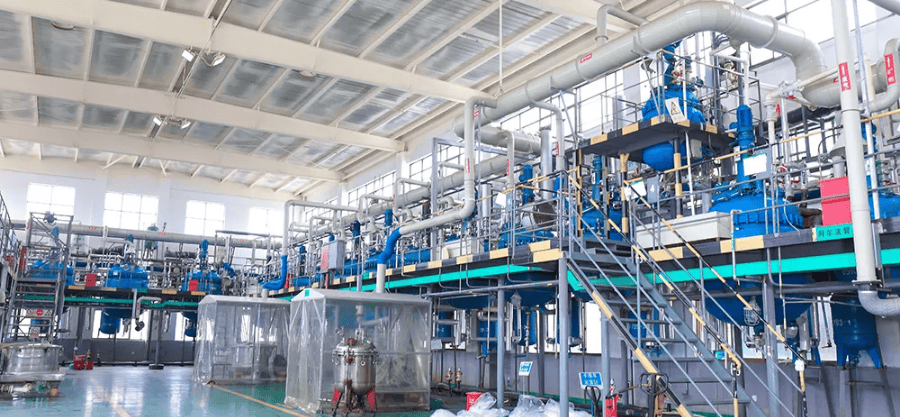
China has emerged as a global powerhouse in the chemical manufacturing industry. For businesses looking to source agrochemicals, from finished insecticide formulations to complex intermediates for custom synthesis, China offers unparalleled capacity and competitive pricing. However, navigating this vast market requires diligence and a strategic approach.
Finding a reliable chemicals supplier China has to offer is more than just looking for the lowest price. It's about finding a partner committed to quality, consistency, and regulatory compliance.
What to Look for in a Chinese Chemical Supplier
-
Quality Control and Certification: A reputable supplier will have robust quality control systems in place. Ask for Certificates of Analysis (CoA) for their products and inquire about their manufacturing certifications, such as ISO 9001. This ensures that the product you receive meets the required specifications batch after batch.
-
Technical Expertise: For specialized products or custom synthesis projects, the supplier's technical capability is paramount. Their team should include experienced chemists and engineers who can understand your requirements and troubleshoot any issues that arise during production.
-
Regulatory Compliance: The global agrochemical market is heavily regulated. A good supplier will understand the registration and compliance requirements for major markets like the USA and Europe and can provide the necessary documentation to support your import process.
-
Communication and Transparency: Clear and timely communication is essential when dealing with an overseas partner. A reliable supplier will be responsive to inquiries, provide regular updates on production and shipping, and be transparent about their capabilities and lead times.
-
Logistical Capabilities: The supplier should have experience with international shipping and be able to provide the necessary export documentation. They should be able to package the products safely and securely for transport to ensure they arrive in good condition.
By partnering with a high-quality chemicals supplier China offers, businesses can gain a significant competitive advantage, accessing a wide range of products and advanced manufacturing capabilities. This partnership is fundamental to the supply chain that ultimately supports farmers and helps ensure a secure global food supply.