

This article is part of the HOGDigest editorial series. → Explore HOGDigest
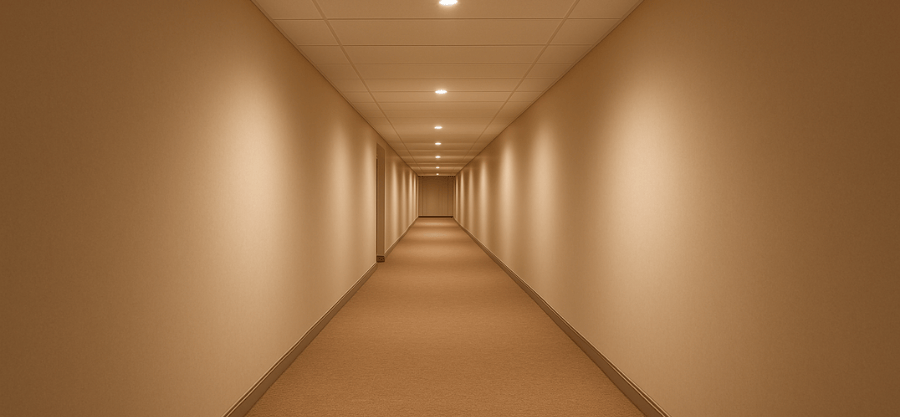
Choosing the right carpet for your hallway is not only about design. The hallway is the busiest part of a home, and every visitor or family member passes through it daily. That constant movement makes durability, comfort, and cleaning needs more important than in other rooms. A carpet that looks stylish but wears out quickly will not work well here.
Many homeowners focus only on color or pattern, but material and construction matter just as much. A carpet chosen for the hallway should stay strong under pressure, resist stains, and keep its look over time. The right choice saves money in the long run and makes daily cleaning easier. Understanding how carpets behave under traffic is the first step to picking the right one.
Why Does the Hallway Need a Special Carpet?
The hallway has more foot traffic than the living room or bedroom, and this makes it harder on flooring. Shoes bring in dirt, dust, and sometimes moisture, all of which shorten the life of a carpet. A product that works in a quiet room will fail faster in a hallway. That is why this area needs a more resilient option. Halı modelleri
Hallways also play a role in safety. Slippery surfaces increase the chance of accidents, especially in narrow spaces. A low-pile carpet provides grip, stays firm, and makes the passage safer. Choosing the right carpet here improves both comfort and safety in the home.
Appearance is another factor. Hallways often create the first impression of a home. A clean and practical carpet sets the tone for the rest of the interior. A poor choice, on the other hand, shows wear and stains too quickly.
What Material Works Best in a Hallway?
The best material for hallway carpets is nylon. It is strong, resists crushing, and handles heavy traffic without losing shape. Nylon also repels stains better than many other fibers, which makes cleaning faster and less stressful. For hallways, these qualities matter more than softness alone.
Wool is comfortable and natural, but it requires more care. It absorbs moisture and costs more to maintain. For a hallway that gets daily use, wool often demands more effort than people expect. Polyester and polypropylene are cheaper, but they flatten quickly under pressure. Their lifespan in hallways is much shorter compared to nylon.
If durability and value are the main concerns, nylon stands out as the most reliable option. It combines strength with practicality, making it better suited to hallways than other materials.
What Pile Height Should You Choose?
The ideal hallway carpet has a low to medium pile height. Shorter fibers stay in place under pressure and show fewer marks from footsteps. They are also easier to vacuum, which helps keep hallways looking fresh even with daily use.
High-pile carpets like shag are not suited for hallways. Their long fibers trap dirt, take longer to clean, and wear out quickly under constant traffic. They also make narrow spaces feel less open. For busy areas, a shorter pile is always the smarter choice.
Loop pile and short cut pile carpets both work well. Loop piles resist wear when they are tightly woven, while cut piles give a softer touch without losing strength. Either choice is effective if the fibers are dense and durable.
Which Carpet Colors Are Practical?
The most practical colors for hallway carpets are mid to dark tones. Light colors highlight dirt and stains, which means more frequent cleaning. In contrast, darker shades hide marks better and make the hallway look neat for longer.
Neutral tones like gray, beige, and taupe are popular because they blend with many interior styles. They balance practicality with appearance, and they do not make spaces feel too closed in. Patterns and textured designs are also useful because they break up solid surfaces and reduce the visibility of small stains.
Sunlight exposure should not be ignored. Hallways with natural light can cause fading over time. In these cases, solution-dyed nylon is a strong option since it holds color longer than other types.
Why Does Density Matter?
Carpet density refers to how tightly the fibers are packed together. High-density carpets are essential for hallways because they handle pressure better and keep their shape over time. A dense carpet will show less flattening and last longer than one with loose fibers.
Lower density means faster wear, even if the fiber itself is strong. Shoes press down on the fibers in hallways every day, and without enough density, the carpet quickly looks worn. This leads to earlier replacement, which increases long-term costs.
A dense nylon carpet combines two strong features: durable material and a firm structure. This makes it one of the best investments for any hallway.
Are Carpet Tiles a Good Choice?
Carpet tiles are a smart solution for hallways because damaged sections can be replaced without changing the entire carpet. If one area near the entrance wears out, only that tile needs to be swapped. This saves both time and money.
Carpet tiles also bring design flexibility. They can be installed in different patterns, which not only improves style but also hides dirt more effectively. Many commercial spaces use carpet tiles for this reason, and the same benefit applies at home.
The main drawback is visible seams if the installation is not precise. With professional fitting, however, this problem can be reduced. For hallways, nylon carpet tiles are more durable than other fibers and handle high traffic well.
How Important Is Backing?
The backing of a carpet supports stability and durability. In a hallway, where movement is constant, a strong backing prevents stretching and rippling. Woven or action backings are especially suited for high-traffic areas because they keep the carpet in place.
Moisture resistance is another key point. Entryway hallways often deal with wet shoes, so a backing that blocks water protects both the carpet and the subfloor. Polyurethane backings offer this benefit and are more durable than felt.
Safety is also linked to backing. A secure, non-slip backing reduces movement underfoot and lowers the risk of accidents. This makes the hallway safer while keeping the carpet intact.
Do You Need Underlay?
Yes, using underlay in a hallway is strongly recommended. It provides cushioning, reduces wear, and extends the carpet’s lifespan. Underlay spreads out the pressure from footsteps, so the carpet does not flatten as quickly.
It also improves comfort by softening the feel underfoot. In multi-story homes, underlay lowers noise from footsteps, which creates a quieter environment. Moisture-resistant underlays are useful in entry areas where water is more common.
While skipping underlay may save on initial costs, it shortens the life of the carpet. A proper underlay pays off over time by protecting the carpet and reducing replacement frequency.
How Should You Maintain a Hallway Carpet?
A hallway carpet needs more frequent cleaning than carpets in other rooms. Dirt and dust should be vacuumed several times a week to prevent particles from grinding into the fibers. Using a vacuum with rotating brushes helps keep low-pile carpets clean.
Stains should be treated right away. Water-based stains usually lift with mild detergents, while oil-based marks often need stronger cleaners. Waiting too long makes removal harder and increases the chance of permanent discoloration.
Professional deep cleaning is recommended every year to keep fibers fresh. Protective mats at doorways also reduce dirt transfer, which makes maintenance easier. These small steps extend the carpet’s lifespan and keep the hallway looking better.
Conclusion
The best carpet for a hallway is a low or medium pile nylon carpet with high density, practical colors, and durable backing supported by underlay. This combination handles heavy use, resists stains, and keeps the hallway safe and clean. Other materials like wool or polyester can work in some cases, but they do not match nylon for balance between durability and maintenance.
By focusing on material, pile height, density, color, and backing, homeowners can choose a hallway carpet that lasts longer and requires less effort to maintain. A well-chosen carpet not only looks good but also withstands the daily pressure of household life.
AUTHOUR BIO: