

This article is part of the HOGDigest editorial series. → Explore HOGDigest
Why Green Works Well in Home Decoration
Green color works well in home decoration because it connects interiors with nature. It brings freshness, balance, and a calming atmosphere to rooms. Designers recommend green for both small and large spaces because it adapts easily to light, texture, and different styles.
The popularity of green interior design has grown steadily in recent years. People choose it not only for its aesthetic value but also for the sense of comfort it creates. Lighter shades make rooms feel larger, while darker shades bring depth and elegance. This flexibility makes green one of the most practical colors for home decoration.
Green also has psychological benefits. Research has shown that green tones help reduce stress and improve focus. That is why this color is often used in living rooms, bedrooms, and even workspaces at home.
Best Green Shades for Different Rooms
The right green shade depends on the function of each room. In living rooms, muted tones like sage and olive create a soft background that matches wood furniture and neutral walls. These shades keep the atmosphere comfortable and welcoming.
For bedrooms, light greens such as mint or pastel tones are better. These colors support relaxation and are linked with better sleep quality. Using them on walls or fabrics helps maintain a calm and peaceful bedroom environment.
Kitchens and bathrooms benefit from brighter greens. In kitchens, apple or lime green gives a fresh look that pairs well with white cabinets or metal finishes. In bathrooms, teal or turquoise adds a clean and modern impression when combined with tiles or glass.
How to Combine Green with Other Colors
Green color combinations are important for achieving balance in interiors. Neutral colors like white, gray, and beige create a harmonious background when paired with green. This is a safe choice for minimalist and Scandinavian styles.
Ankara Mobilya | Green also works well with natural wood tones. Light woods combined with soft greens create freshness, while darker woods paired with deep greens feel warmer and more sophisticated. Many designers use this pairing to strengthen the natural look of a space.
For a more energetic effect, green can be combined with coral, pink, or gold. These accents highlight the main color and make interiors more dynamic. However, it is better to use them in smaller items such as cushions, rugs, or decorative pieces rather than on large surfaces.
Using Green in Furniture and Accessories
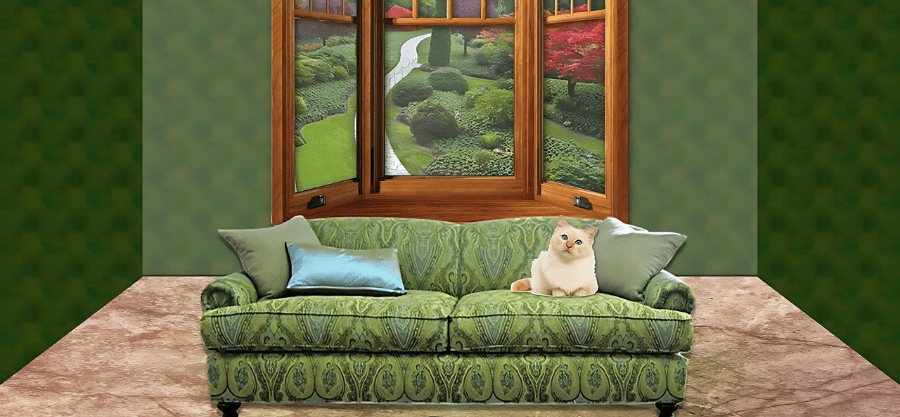
Applying green furniture is one of the most effective ways to introduce the color into a room. A sofa in green becomes a focal point in the living room, while chairs or benches in the same shade add consistency. This method works well when the walls remain neutral.
Accessories are also powerful. Rugs, curtains, and cushions in different green shades create visual layers and connect different elements of the room. Even one large rug with green patterns can change the feeling of a space.
Plants are another natural accessory that adds green without effort. Indoor plants improve air quality and match any design style. They also make the chosen shades of green feel more natural and balanced.
Role of Materials and Textures in Green Decoration
Materials and textures influence how green decoration looks and feels. Matte finishes on walls create a calm impression, while glossy paints bring more light reflection and a modern touch. Choosing the right finish depends on how the room is used.
Textiles also change the mood of green. Velvet in emerald tones gives a rich and formal atmosphere, while cotton fabrics in lighter greens keep spaces casual and fresh. This is why fabric choice is just as important as color choice.
Stone and wood materials are also widely used with green. Green marble or granite countertops in kitchens and bathrooms combine durability with unique patterns. Wood, especially oak or walnut, pairs naturally with green walls or accessories and emphasizes the connection to nature.
How to Use Green in Small and Large Spaces
In small rooms, light green shades help reflect light and create an open feeling. Sage or mint green walls are good choices for compact bedrooms or home offices. Darker shades should be limited to smaller items like cushions or wall art in these areas.
In larger spaces, deep green tones such as forest or emerald add structure and prevent emptiness. A large living room often benefits from one accent wall in dark green, while the rest of the space stays neutral for balance.
Lighting also matters. Natural daylight makes green appear clearer, while artificial lighting changes how shades are perceived. Warm light makes olive tones look more yellow, and cool light makes teal appear bluer. Testing colors under different lighting helps avoid mismatches.
Practical Tips for Decorating with Green
When starting with green decoration, it is best to introduce one main element first. This can be a wall, a sofa, or a large rug. Once the main anchor is in place, smaller accessories can be added to build a complete look.
To make the process easier, consider these tips:
-
Always combine green with at least one neutral shade for balance.
-
Add green plants to connect the chosen color with natural elements.
Seasonal changes also give flexibility. Lighter greens can be used during spring and summer, while darker shades create a warmer effect in autumn and winter. This rotation keeps interiors fresh without a full redesign.
Conclusion
Decorating with green is one of the most versatile and effective ways to design a home. The color adapts to different rooms, furniture, and accessories while providing psychological comfort and visual balance. Both small and large spaces benefit from the right shade and texture.
By focusing on combinations, materials, and lighting, homeowners can achieve interiors that are both functional and stylish. Green remains one of the most reliable choices in interior design because it connects homes with nature, improves well-being, and offers endless design possibilities.
AUTHOUR BIO: