

This article is part of the HOGDigest editorial series. → Explore HOGDigest
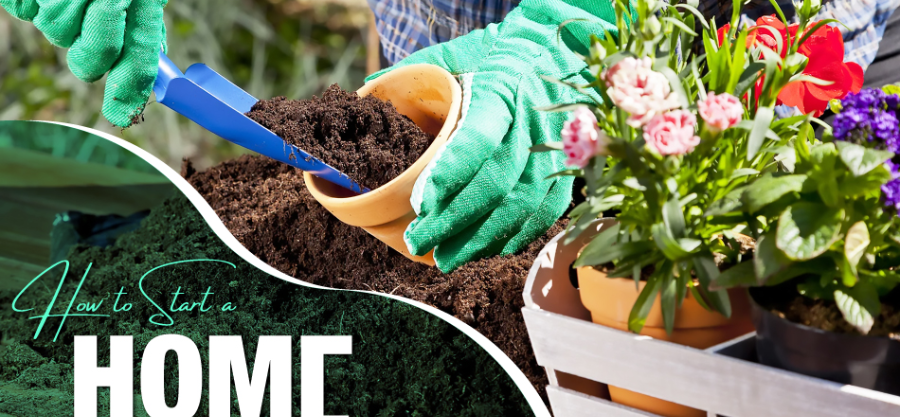
Did you ever consider growing your vegetables, fruits, or flowers at home? Home gardening can prove to be the best hobby. It not only makes your area look beautiful but also ensures that you eat fresh and remain healthy. Even if you have no gardening experience, read this guide and it will walk you through everything that you need to begin your garden, from tools to soil, to picking the right plants.
Introduction to Home Gardening
Home gardening is just cultivating flowers, herbs, vegetables, or fruits within your backyard, balcony, or home pots. It does not matter how small your place is—you can still catch the beauty of gardening.
Gardening also helps decrease stress levels, appreciate nature, and bond with nature. It makes you feel proud and contented as you see your plants grow better and stronger. With correct information, time, and effort, anyone can be a good home gardener.
Simple Tools You Need to Get Started
You don't need to break the bank buying loads of tools to start gardening. Some simple ones will do just fine to get you started:
1. Trowel – A small hand tool used to dig small holes or remove weeds.
2. Garden Gloves – To protect your hands from thorns, dirt, or insects.
3. Pruners or Shears – To trim plants and cut dead twigs or leaves.
4. Watering Can or Hose – To keep your plants hydrated.
5. Garden Fork or Rake – To break the ground and remove trash.
6. Spade or Shovel – For digging up and shifting soil.
These are easily accessible at your local shop or the best-rated online shop for gardening equipment if you prefer to do things from home. Online shops usually have starter kits for beginners, which save you money and time.
Understanding and Preparing Your Garden Soil
The soil is the basis of your garden. Healthy plants are equal to healthy soil. You need to know what kind of soil you have before planting anything.
There are three kinds:
• Sandy Soil – Dries out fast but won't retain nutrients.
• Clay Soil – Retains too much water, becomes heavy and hard.
• Loamy Soil – Ideal kind to have for gardening. Retains water and nutrients, but also drains.
To condition your soil:
• Clear weeds, stones, and dead roots.
• Add organic manure or compost to enrich it.
• Spade well with a garden spade or fork.
• If your soil is not good enough, use raised beds or containers with purchased soil instead.
Good soil smells earthy and crumbles between your fingers. If your garden is sick, always look to your soil first—it will probably have the solution.
How to Choose the Right Plants for Your Garden Space
Next is what to plant. Choose plants based on your location, climate, and sunlight in your garden.
Here is a simple guide:
• Full sun (6+ hours of sunshine): Tomatoes, cucumbers, sunflowers, and most herbs.
• Partial shade (3–6 hours of sunshine): Lettuce, spinach, mint, or begonias.
• Full shade (less than 3 hours): Ferns, snake plants, and hostas.
Also, be sure to know your plant hardiness zone (you can find out online by entering your location). It informs you on what will thrive best in your temperature-wise climate.
Start with easy ones like:
• Tomatoes
• Basil
• Marigolds
• Green beans
• Aloe vera
You could also try growing mini fruiting trees like strawberries or chilies in pots. If unsure, most websites—including the best online store for gardening products—provide excellent advice on plants for new gardeners.
Step-by-Step Guide to Planting Your Home Garden
Okay, let's get it together. Here is how you can plant your garden in a step-by-step process:
Step 1: Choose Your Site
Choose a sunny spot with some breeze. A corner of your garden, a balcony, or even a sun window will do.
Step 2: Prepare the Soil
Clear out any debris, loosen up the soil, and mix in compost or organic matter.
Step 3: Choose and Buy Your Plants or Seeds
You can start with seeds or seedlings (small plants). Purchase healthy plants or good-quality seeds.
Step 4: Plant
Plant at the spacing recommendation listed on the seed package or plant label. Do not plant too close together.
Step 5: Water
Water the seedlings lightly after planting. Keep soil moist, not soggy.
Step 6: Add Mulch (Optional)
Mulch will keep the ground moist and prevent weeds. Dry leaves, straw, or buy mulch.
Step 7: Care
Water your plants frequently, give light, and check for pests.
When they mature, you will have to stake them using sticks or cages. It helps them grow tall and robust.
Healthy Garden Tips
• Early morning watering – It avoids fungal diseases and enables plants to absorb water.
• Regular removal of weeds – Weeds steal nourishment from your plants.
• Organic fertilizers – Like compost, banana peels, or eggshells.
• Pest inspection – Inspect under leaves and remove by hand or use natural sprays like neem oil.
• Regular pruning – Remove dead or yellow leaves to get plants to grow healthier.
Also, try rotating your plants seasonally so the soil never gets stale and pests that come around yearly are dissuaded.
Gardening Blunders to Avoid
1. Overwatering or underwatering – Both will kill your plants. Stick your finger into the soil; if it's dry, water it.
2. Too Much Fertilizer – It will burn your plants. Use less.
3. Planting Too Close Together – Plants need space to grow. Read planting instructions.
4. Not Taking Pests Seriously – A few pests can become big problems very quickly.
5. Not Enough Sunlight – Vegetables and flowers need at least 6 hours of sunlight every day.
6. Impatience – Vegetables take some time to mature. Don't give up too quickly.
Final Words: Your Garden Journey Begins Today
It will be slightly intimidating at first to start a home garden, but in the end, it's a beautiful, soothing thing. You don't need to do everything just right; you just have to be patient and continue learning.
Nature takes time to develop. Using the correct equipment, healthy plants, and well-littered soil, your garden will grow beautifully.
If you don't even know where to begin with tools, go look at the best online store for gardening products. They will probably have helpful tutorials, suggestions for flowers, starter kits, and all the rest you will need to begin without any problem.
So, come on! Grab your gloves, pick up your trowel, and start gardening now. A lovely and prolific garden is only a few steps away!
Author bio:

David Warren, a writer and a keen observer of advancements in garage door technology, particularly in showcasing innovative features and their benefits for homeowners. With a talent for insightful storytelling, he develops content that highlights cutting-edge designs and functionalities, illustrating how they enhance security, convenience, and energy efficiency. His writing plays a crucial role in connecting homeowners with the latest solutions, all while advocating for progress and user-friendly garage door systems.