

This article is part of the HOGDigest editorial series. → Explore HOGDigest
A roof leak can be frustrating because the place where water appears indoors is not always the place where it entered. A ceiling stain may show up several feet away from the damaged roofing material, and a drip may only appear during certain wind or rain conditions. This is why repeatedly sealing the most obvious spot does not always solve the problem.
Good roof repair begins with tracing the water path and identifying the failed component. Homeowners considering Ridge Runner Roofing or another qualified contractor should expect the investigation to look beyond visible shingles. Flashing, valleys, vents, roof penetrations, decking, attic conditions, and previous patches can all contribute to recurring moisture problems.
Water Can Travel Before It Becomes Visible
Rainwater rarely follows a perfectly straight path once it gets beneath the roof covering.
Water may enter around flashing, move across roof decking, follow a rafter, and finally drip onto insulation or drywall several feet away. This can make the visible ceiling stain misleading.
The direction of the roof slope also affects where moisture travels. Water usually moves downward, but framing, nails, underlayment, and other materials can redirect it before it reaches the interior.
Homeowners can help by noting when the leak appears. Does it happen during every rainfall or only when wind blows from a particular direction? Does it occur after long periods of steady rain or almost immediately?
These observations can narrow the search and make diagnosis more accurate.
Flashing Is Often More Important Than Nearby Shingles
Shingles cover most of a typical roof, so they naturally receive attention when leaks develop. Yet flashing protects some of the areas where water is most likely to find an opening.
Flashing is commonly installed around chimneys, walls, skylights, valleys, vents, and other transitions. These areas experience changes in slope, material, and movement.
If flashing loosens, corrodes, separates, or was installed incorrectly, water may travel underneath otherwise intact roofing material.
Repeatedly applying sealant to a flashing problem can provide temporary relief without correcting the underlying detail.
A proper inspection should determine how water is supposed to move through the area and whether the flashing still directs it away from vulnerable joints.
Roof Valleys Carry Large Amounts of Water
A valley forms where two roof slopes meet.
During rainfall, water from both roof surfaces can be directed into this narrow channel. Because so much runoff concentrates there, valley installation and condition deserve careful attention.
Leaves, branches, roofing debris, or other material can restrict water flow. Damaged shingles or flashing in the valley may also create a path beneath the roofing surface.
Homeowners should avoid placing sealant randomly along a valley without knowing how the assembly was constructed. Blocking an intended drainage path can sometimes make water movement worse.
If interior moisture appears below a roof intersection, the valley should be included in the inspection even if the visible stain is not directly underneath it.
Pipe Boots and Vents Can Develop Small Failures
Plumbing vents and other roof penetrations require seals that keep water from entering around the opening.
A pipe boot may include rubber or another flexible material that surrounds the pipe. Over time, that material can crack, split, or pull away.
These openings can be surprisingly small, yet they may allow enough water through to create staining inside the attic or living space.
Vent flashings can also loosen or become damaged around their edges.
During roof repair, Ridge Runner Roofing or another contractor may check these penetrations closely instead of assuming the surrounding shingles are responsible. Replacing a deteriorated boot or correcting flashing can sometimes solve a persistent leak without disturbing a large section of roofing.
Temporary Patches Can Hide the Original Problem
Roof cement, sealant, and patching products are sometimes useful for temporary protection, especially when immediate permanent work is not possible.
Problems begin when temporary patches are treated as permanent solutions.
Repeated layers of sealant can make it difficult to see the original joint or defect. Some patches also crack as materials expand and contract.
A homeowner may notice that a leak disappears after patching but returns months later during heavier rain. This often means the water path was slowed rather than eliminated.
When inspecting an area with several previous patches, the contractor may need to remove deteriorated material and examine the construction underneath before deciding what needs to be rebuilt or resealed.
Attic Moisture Is Not Always a Roof Leak
Not every damp attic means rain is getting through the roof.
Warm, humid indoor air can rise into an attic and condense on cold roof decking, pipes, nails, or other surfaces. This moisture may create darkened wood, damp insulation, or occasional dripping that looks similar to a roof leak.
Ventilation problems can contribute, as can gaps that allow indoor air to escape into the attic.
Timing provides useful clues. Moisture that appears during dry weather or cold conditions may point toward condensation rather than rainfall.
A contractor should avoid replacing roofing materials until the source has been identified.
If the problem comes from indoor moisture, correcting flashing or shingles will not solve it. Likewise, improving ventilation will not stop rain entering through damaged roofing.
Previous Repairs Provide Useful Clues
Repair history can help explain why a leak keeps returning.
If the same chimney, valley, vent, or roof section has been repaired several times, there may be a larger issue with how that area was originally constructed.
Ask what was repaired previously and whether photographs or invoices are available.
A patch performed years ago may simply have reached the end of its useful service. Repeated failures within a short period, however, suggest that the original cause may not have been addressed.
When Ridge Runner Roofing evaluates a recurring leak, information about earlier work can help separate a new problem from one connected to the same roof detail.
Keeping basic records saves time and prevents each service visit from starting with no history.
What a Careful Leak Investigation Looks Like
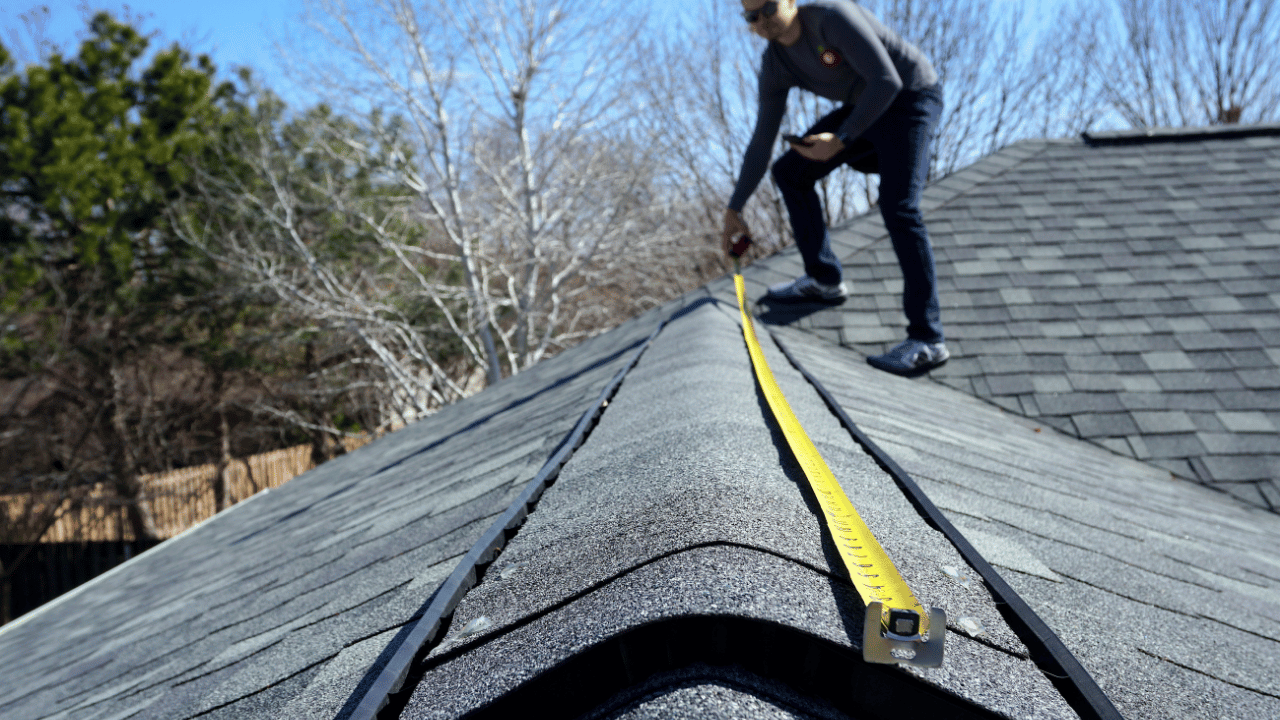
A good leak investigation combines interior and exterior observations.
Inside, the attic may be checked for water marks, damp insulation, stained decking, visible openings, or moisture around penetrations.
Outside, the corresponding roof area can be inspected for damaged materials, flashing failures, exposed fasteners, open seams, or drainage problems.
The contractor may also look farther upslope because water can travel before becoming visible.
Weather history can matter. A leak that only appears with strong wind may involve a wall transition or flashing detail that behaves differently from a leak caused by ordinary vertical rainfall.
The goal is to identify a reasonable water path rather than simply choosing the closest visible defect.
When an Isolated Fix Is Still Reasonable
Recurring leaks do not automatically mean the entire roof needs replacement.
If most roofing materials remain in good condition and the problem can be traced to one vent, flashing detail, damaged shingle area, or other limited defect, targeted work may be appropriate.
The surrounding materials should still be inspected carefully. Water that entered through one small opening may have damaged decking or insulation underneath.
The extent of hidden damage can affect the scope of the repair.
Homeowners should ask whether the proposed fix addresses both the entry point and any material that has deteriorated below it.
A well-defined isolated problem is very different from widespread wear across several roof sections.
Know When a Larger Problem Is Developing
A roof with leaks in several unrelated locations may be showing broader deterioration.
Widespread cracking, curling shingles, failing flashing, soft decking, repeated patches, or multiple moisture areas can change the repair decision.
At that point, continuing to fix individual symptoms may become less practical.
A professional evaluation should explain which parts remain serviceable and which no longer perform reliably.
Homeowners do not need to assume that every older roof requires replacement, but they should consider repair history alongside present condition.
If another repair is recommended, ask what result can reasonably be expected and whether surrounding components are likely to require attention soon.
Avoid Unsafe DIY Leak Searches
Trying to find a leak during rain can tempt homeowners onto a wet roof, which creates a serious fall risk.
Steep slopes, loose granules, algae, damaged materials, and hidden soft areas can make footing unpredictable.
Many useful observations can be made safely from inside the attic or from the ground.
Look for ceiling stains, listen for dripping, note weather conditions, and photograph visible exterior changes from a safe position.
Do not pull apart electrical fixtures or insulation around active water without considering electrical hazards.
If water is entering near lights, wiring, or electrical equipment, avoid contact with the wet area and seek appropriate professional assistance.
Conclusion
A recurring leak usually needs investigation rather than another layer of sealant. Water may enter around flashing, valleys, vents, pipe boots, damaged shingles, or roof transitions and then travel before appearing indoors.
Successful roof repair depends on identifying that path and correcting the failed component rather than treating only the ceiling stain or most obvious exterior mark. Ridge Runner Roofing or another experienced roofing professional can compare interior evidence with exterior conditions and determine whether the problem is isolated or part of broader deterioration.
Homeowners can help by documenting when leaks occur, keeping records of previous repairs, and avoiding unsafe roof access. Finding the true source may take more effort initially, but it is far more useful than repeating temporary fixes that fail during the next heavy rain.