

This article is part of the HOGDigest editorial series. → Explore HOGDigest
You keep hearing the phrase 'sitting room' and wonder if it is just a fancy name for a living room. It is not. A sitting room is a calm space built for talk, reading, and rest, not for the TV and the mess. The furniture sets that
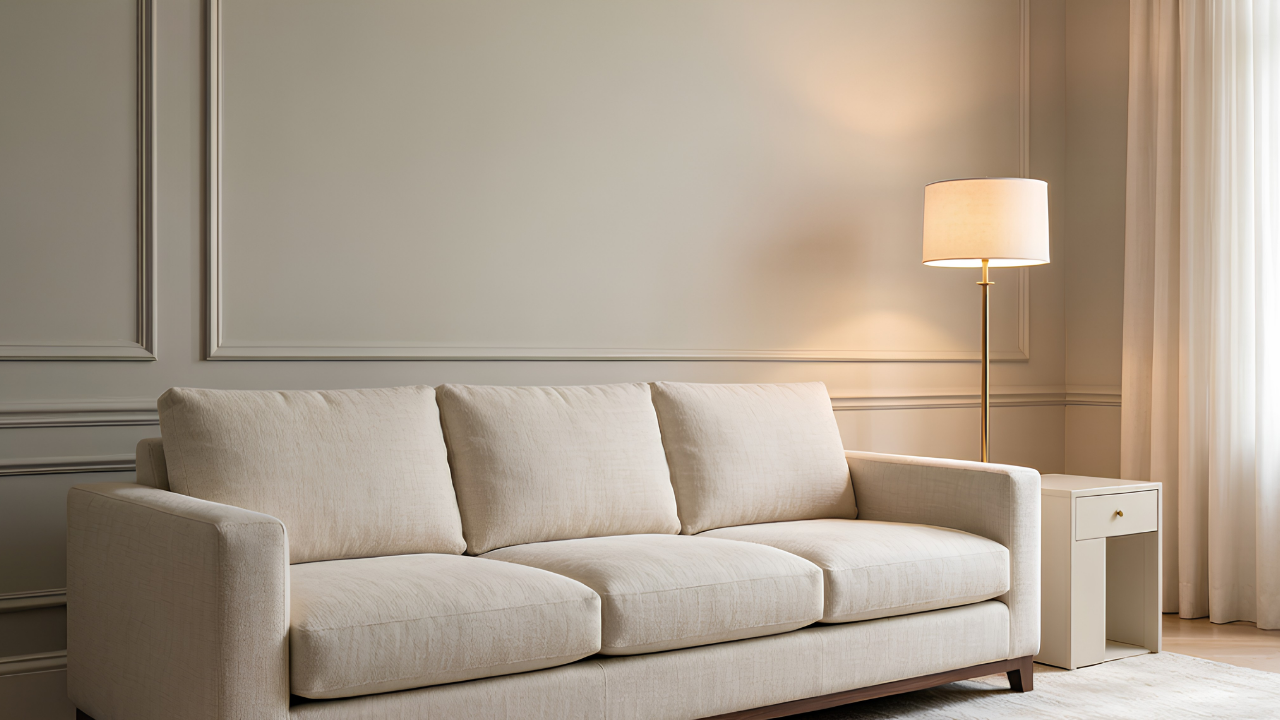
You keep hearing the phrase 'sitting room' and wonder if it is just a fancy name for a living room. It is not. A sitting room is a calm space built for talk, reading, and rest, not for the TV and the mess. The furniture sets the tone, and modern sitting room sofas are the easiest way to get the look right.
I refitted my own front room as a sitting room two years ago, swapping a giant recliner pile for one clean sofa and two chairs. The change was bigger than I expected. This guide explains the sitting room idea and how to choose a sofa that fits it.
We will define the sitting room, compare it with other rooms, list the sofa shapes that work, show a style table, and cover layout tricks. You will leave knowing exactly what to buy and where to put it.
What a sitting room actually is
A sitting room is a calm space for conversation and unwinding. Think of it as the room you offer a guest for a drink and a chat, not the room with the game console.
The sitting room values calm over function stacking. You do not need a desk, a screen, and a storage wall here. You need comfortable seats, good light, and a surface for a cup. That restraint is the whole point.
In older homes, the sitting room sat near the front door as a polite welcome. Today we borrow the idea to carve a calm corner out of open-plan living, even in a one-bedroom apartment.
The sitting room also signals how you want to live. When you lead a guest there instead of the busy living room, you tell them the calm space is for them. That small choice shapes the whole visit.
Sitting room versus living room versus family room
The three names get used as if they mean the same thing, but they carry different jobs. Mixing them up leads to buying the wrong sofa. The table below shows the split most designers use.
| Room | Main job | Sofa feel | Best sofa type |
| Sitting room | Talk and rest | Calm, tailored | Sleek loveseat or 2 seater |
| Living room | Mixed daily life | Balanced | 3 seater, durable |
| Family room | Play and screens | Rugged, soft | Deep sectional |
If you want a sitting room, buy for the first column, not the third. A deep stained sectional belongs in a family room, not a calm sitting space. Keep the piece small and the mood settled.
Sofa shapes that suit a sitting room
A sitting room sofa should feel intentional, not bulky. Low arms, clean lines, and a tailored back read as calm and modern at once.
- Loveseat: fits two, perfect for a small sitting room.
- Two-seater: a touch more room, still tidy.
- Bench style sofa: long, low, and sculptural.
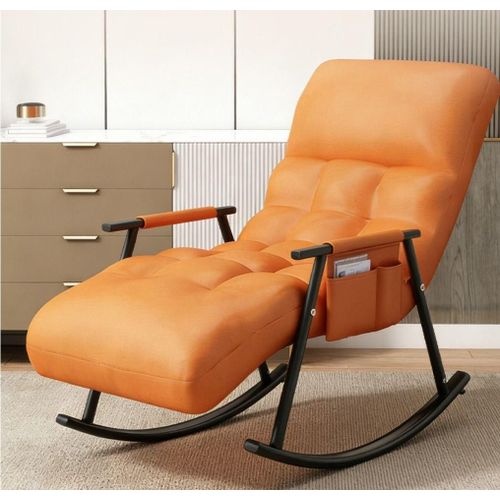
- Pair of chairs plus one small sofa: the classic sitting room trio.
Color and fabric for the vibe
Calm rooms favor mid and warm tones. A soft greige, a muted blue, or a warm clay lets the shape of the sofa lead.
Avoid loud patterns in a sitting room. A solid tailored cover looks more expensive than a busy print and ages better. Save the pattern for one throw pillow if you must add a spark.
Texture adds interest without pattern. A woven throw or a single boucle pillow gives the eye something to land on while the sofa stays calm. Layer feel, not print, to keep the mood settled.
Fabric choice follows the mood. A matte weave reads calmer than a shiny one. Save velvet for one accent chair rather than the whole sofa, so the room stays relaxed instead of formal.
Layout tricks that make it work
Place the sofa to face a window or a fireplace, not a screen. The eye lands on something restful and the room feels settled.
Leave a clear path and a small gap behind the sofa. A sitting room should invite you to walk in, not block you. An 18 to 24 inch gap behind the back keeps the space open and easy to use.
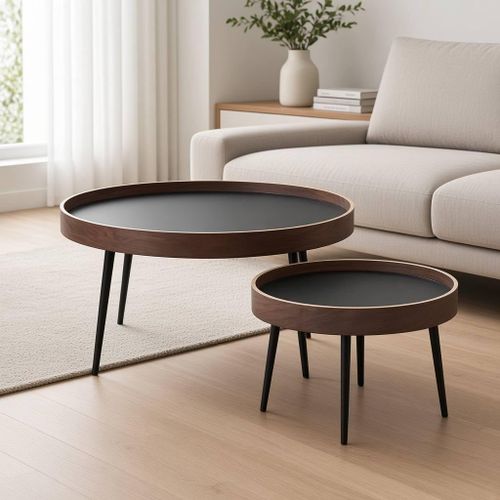
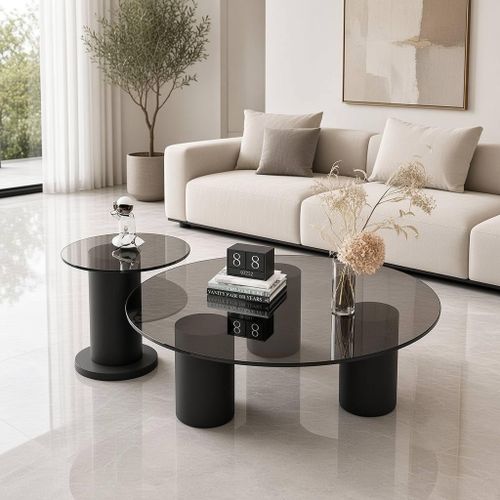
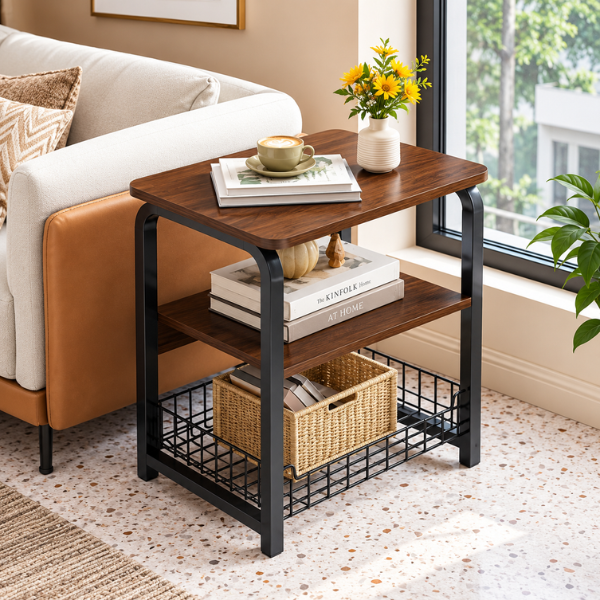
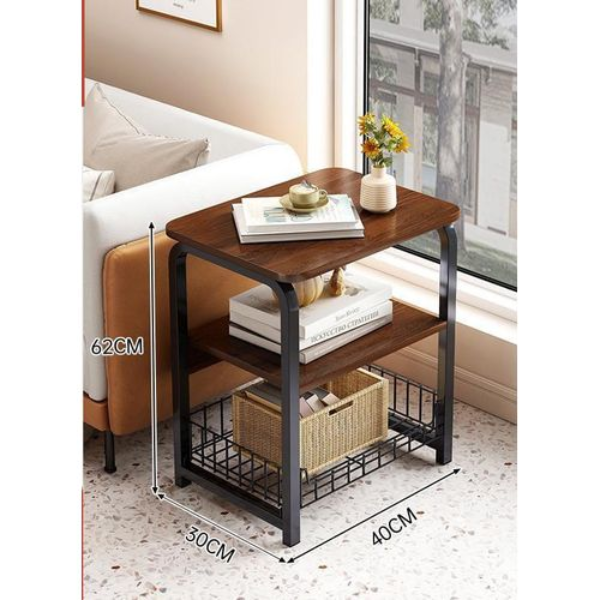
Add a low table within arm's reach and a lamp with warm light. Those two items do more for the mood than any wall color, and they keep a cup or a book close at hand.
Face two seats toward each other, not just the sofa to the view. A sitting room is for people, so arrange the pieces so talk flows easily. A small pair of chairs across from the sofa makes four-person conversation natural.
Common mistakes to avoid
Do not cram a giant sectional into a sitting room. The bulk kills the calm you are after. One clean sofa and two chairs beat a wall of seating every time.
Skip the TV as the focus. If a screen must exist, hide it in a cabinet. A sitting room with a glowing panel above the sofa loses its whole reason to exist, which is rest and talk.
Do not fill every surface. A side table with a lamp and a cup is enough. More objects mean more dusting and more visual noise, which works against the restful goal.
Light and rug that finish the room
A sitting room lives or dies by its light. Use a warm bulb, not a cold white one, and add a floor lamp so the glow falls low and soft. Harsh overhead light kills the calm you built with the sofa.
A rug anchors the seating and quiets the room. Pick a low pile in a tone close to the sofa so the eye rests. A busy rug fights the calm, while a plain one lets the sofa shape lead.
Keep the rug large enough that the front legs of the sofa sit on it. A small rug floating in the middle reads as an afterthought and breaks the settled feel.
Dim the main switch and rely on the lamp. A sitting room should feel like dusk at any hour, which tells your body to slow down the moment you sit.
Art and objects, kept few
A sitting room should not be bare, but it should be spare. One piece of art above the sofa, one plant, and one book stack beat a wall of frames. The empty space is part of the design, not a gap to fill.
When a sitting room is the wrong call
Not every home needs one. If your only room is also your office and your gym, forcing a sitting room adds stress you do not need. In that case, a calm corner with one good chair may serve you better than a full redo.
Be honest about how you live. The sitting room works for people who host talk and rest. If your real life is screens and play, lean into a family room and skip the label.
Build your sitting room
A sitting room is a state of mind backed by the right sofa. Keep the piece sleek, the palette calm, and the layout open, and the room will do the relaxing for you.
Start with the sofa, then add only what the room asks for. You can always bring in one more piece later if the space feels thin.
When you are ready, look for sleek loveseats and two-seaters built for exactly this space. Pick the shape your room can breathe around.
Tone, and modern sitting room sofas are the easiest way to get the look right.
I refitted my own front room as a sitting room two years ago, swapping a giant recliner pile for one clean sofa and two chairs. The change was bigger than I expected. This guide explains the sitting room idea and how to choose a sofa that fits it.
We will define the sitting room, compare it with other rooms, list the sofa shapes that work, show a style table, and cover layout tricks. You will leave knowing exactly what to buy and where to put it.
What a sitting room actually is
A sitting room is a calm space for conversation and unwinding. Think of it as the room you offer a guest for a drink and a chat, not the room with the game console.
The sitting room values calm over function stacking. You do not need a desk, a screen, and a storage wall here. You need comfortable seats, good light, and a surface for a cup. That restraint is the whole point.
In older homes, the sitting room sat near the front door as a polite welcome. Today we borrow the idea to carve a calm corner out of open-plan living, even in a one-bedroom apartment.
The sitting room also signals how you want to live. When you lead a guest there instead of the busy living room, you tell them the calm space is for them. That small choice shapes the whole visit.
Sitting room versus living room versus family room
The three names get used as if they mean the same thing, but they carry different jobs. Mixing them up leads to buying the wrong sofa. The table below shows the split most designers use.
| Room | Main job | Sofa feel | Best sofa type |
| Sitting room | Talk and rest | Calm, tailored | Sleek loveseat or 2 seater |
| Living room | Mixed daily life | Balanced | 3 seater, durable |
| Family room | Play and screens | Rugged, soft | Deep sectional |
If you want a sitting room, buy for the first column, not the third. A deep stained sectional belongs in a family room, not a calm sitting space. Keep the piece small and the mood settled.
Sofa shapes that suit a sitting room
A sitting room sofa should feel intentional, not bulky. Low arms, clean lines, and a tailored back read as calm and modern at once.
- Loveseat: fits two, perfect for a small sitting room.
- Two-seater: a touch more room, still tidy.
- Bench style sofa: long, low, and sculptural.
- Pair of chairs plus one small sofa: the classic sitting room trio.
Color and fabric for the vibe
Calm rooms favor mid and warm tones. A soft greige, a muted blue, or a warm clay lets the shape of the sofa lead.
Avoid loud patterns in a sitting room. A solid tailored cover looks more expensive than a busy print and ages better. Save the pattern for one throw pillow if you must add a spark.
Texture adds interest without pattern. A woven throw or a single boucle pillow gives the eye something to land on while the sofa stays calm. Layer feel, not print, to keep the mood settled.
Fabric choice follows the mood. A matte weave reads calmer than a shiny one. Save velvet for one accent chair rather than the whole sofa, so the room stays relaxed instead of formal.
Layout tricks that make it work
Place the sofa to face a window or a fireplace, not a screen. The eye lands on something restful and the room feels settled.
Leave a clear path and a small gap behind the sofa. A sitting room should invite you to walk in, not block you. An 18 to 24 inch gap behind the back keeps the space open and easy to use.
Add a low table within arm's reach and a lamp with warm light. Those two items do more for the mood than any wall color, and they keep a cup or a book close at hand.
Face two seats toward each other, not just the sofa to the view. A sitting room is for people, so arrange the pieces so talk flows easily. A small pair of chairs across from the sofa makes four-person conversation natural.
Common mistakes to avoid
Do not cram a giant sectional into a sitting room. The bulk kills the calm you are after. One clean sofa and two chairs beat a wall of seating every time.
Skip the TV as the focus. If a screen must exist, hide it in a cabinet. A sitting room with a glowing panel above the sofa loses its whole reason to exist, which is rest and talk.
Do not fill every surface. A side table with a lamp and a cup is enough. More objects mean more dusting and more visual noise, which works against the restful goal.
Light and rug that finish the room
A sitting room lives or dies by its light. Use a warm bulb, not a cold white one, and add a floor lamp so the glow falls low and soft. Harsh overhead light kills the calm you built with the sofa.
A rug anchors the seating and quiets the room. Pick a low pile in a tone close to the sofa so the eye rests. A busy rug fights the calm, while a plain one lets the sofa shape lead.
Keep the rug large enough that the front legs of the sofa sit on it. A small rug floating in the middle reads as an afterthought and breaks the settled feel.
Dim the main switch and rely on the lamp. A sitting room should feel like dusk at any hour, which tells your body to slow down the moment you sit.
Art and objects, kept few
A sitting room should not be bare, but it should be spare. One piece of art above the sofa, one plant, and one book stack beat a wall of frames. The empty space is part of the design, not a gap to fill.
When a sitting room is the wrong call
Not every home needs one. If your only room is also your office and your gym, forcing a sitting room adds stress you do not need. In that case, a calm corner with one good chair may serve you better than a full redo.
Be honest about how you live. The sitting room works for people who host talk and rest. If your real life is screens and play, lean into a family room and skip the label.
Build your sitting room
A sitting room is a state of mind backed by the right sofa. Keep the piece sleek, the palette calm, and the layout open, and the room will do the relaxing for you.
Start with the sofa, then add only what the room asks for. You can always bring in one more piece later if the space feels thin.
When you are ready, look for sleek loveseats and two-seaters built for exactly this space. Pick the shape your room can breathe around.