

This article is part of the HOGDigest editorial series. → Explore HOGDigest
A beautiful room is rarely created by choosing one impressive piece of furniture and leaving everything else to chance. The most inviting interiors usually come together through a combination of furniture, lighting, colour, texture, and carefully selected accessories. Among these elements, one of the most overlooked is the humble area rug.
A rug can completely change the way a room feels. It can make a large space feel more intimate, add warmth to a minimalist interior, or bring several pieces of furniture together so they look like part of one carefully planned design. The right rug can even help define separate areas in an open-plan home without requiring walls or bulky dividers.
For homeowners who enjoy furniture with character and craftsmanship, arts and crafts rugs can be particularly interesting. Their detailed patterns, natural materials, and traditional influences can complement everything from classic wooden furniture to more relaxed contemporary interiors.
The key is knowing how to choose a rug that works with the room rather than competing with everything already in it.
Why Rugs Have Such a Big Impact on Interior Design
Furniture usually receives most of the attention when people redesign a room. Sofas, dining tables, beds, cabinets, and chairs are obvious investments, so they naturally become the starting point.
Yet the floor occupies a surprisingly large visual area. Leaving it completely bare can sometimes make a room feel disconnected, particularly when furniture is positioned around the edges rather than grouped together.
An area rug provides a visual foundation.
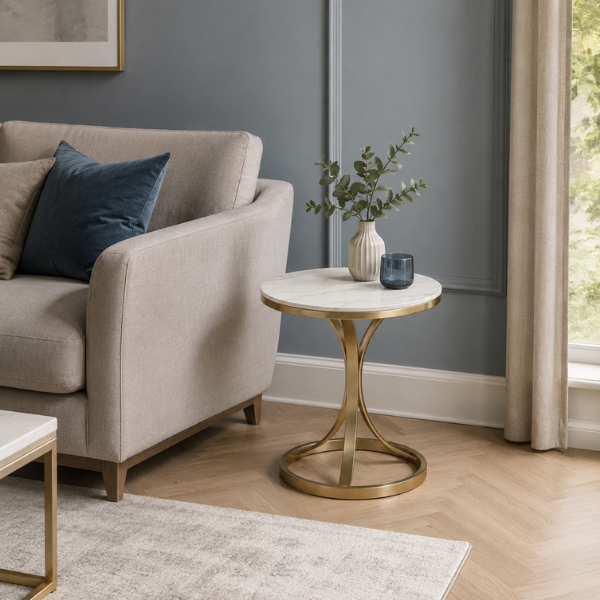
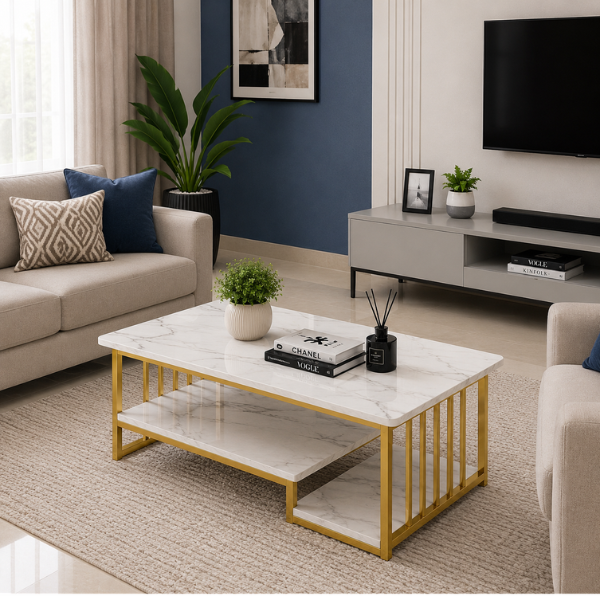
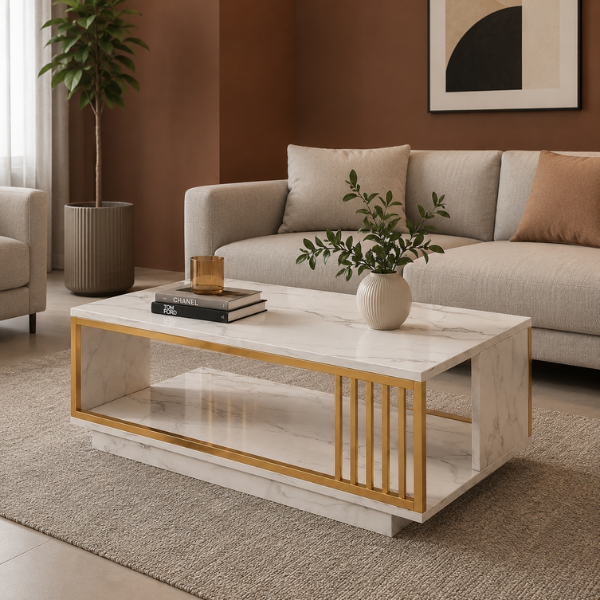
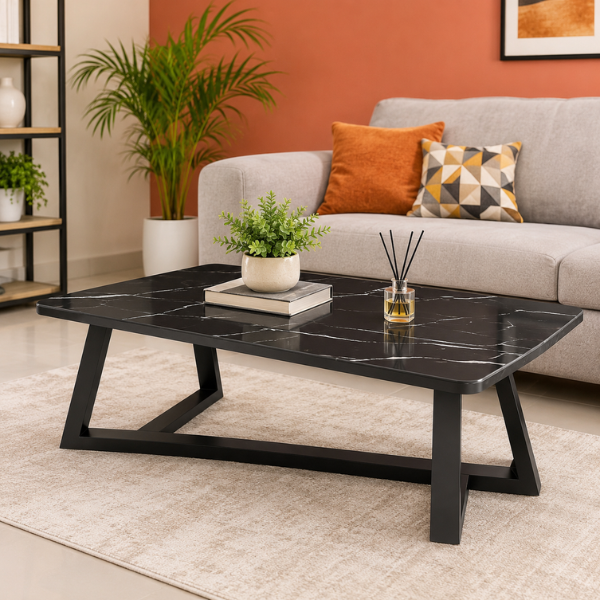
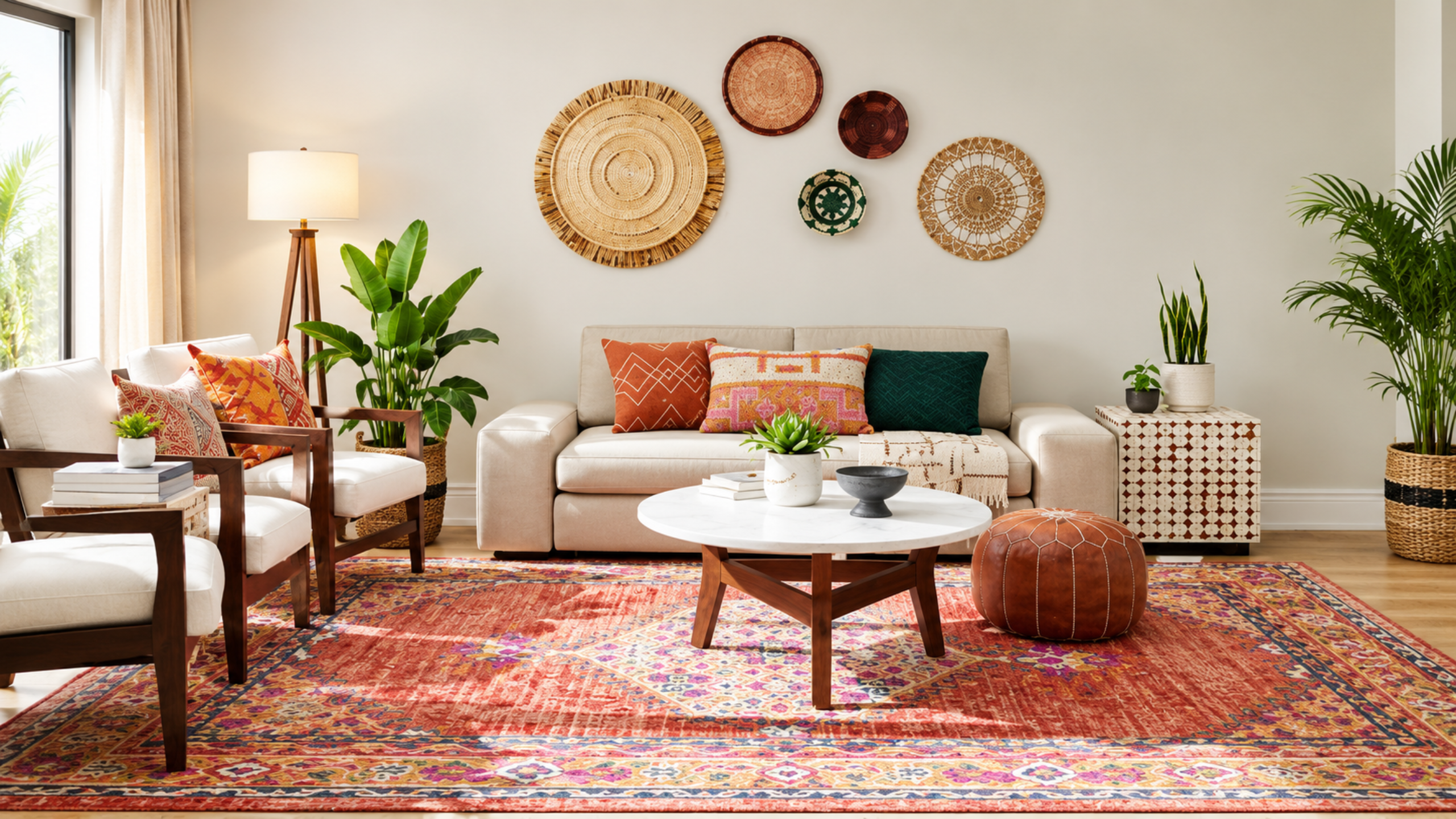
Instead of having a sofa sitting independently on the floor, for example, a suitably sized rug can connect the sofa with coffee tables, armchairs, and side tables. The result feels more intentional because the furniture appears to belong to the same arrangement.
Rugs also introduce qualities that hard flooring cannot provide on its own. Wool and other textured materials can bring softness, warmth, and visual depth, while patterned designs can introduce colour without requiring a complete repaint.
This is why a rug should not necessarily be treated as an afterthought. It can be one of the elements that determines the character of an entire room.
Start With the Furniture You Already Love
One of the easiest mistakes when decorating is choosing individual pieces without considering how they will work together.
Instead of asking, “Which rug do I like?” begin by looking at the furniture already in the room.
Consider the colour of the wood, upholstery, metal finishes, cushions, curtains, and other major features. Are they warm and traditional, light and contemporary, or somewhere in between?
If a room contains substantial wooden furniture, a rug with warm earthy colours and traditional patterns can reinforce that sense of craftsmanship. In a lighter, more contemporary room, a more restrained design may provide contrast without overwhelming the space.
This does not mean everything needs to match perfectly.
In fact, rooms often look more interesting when colours and materials complement rather than duplicate one another. A rug can repeat one subtle colour from an armchair or piece of artwork while introducing a few additional tones to give the room more depth.
The goal is cohesion, not uniformity.
Choosing the Right Rug Size for Each Room
Even a beautiful rug can look wrong if it is too small for the space.
Size matters because the rug needs to interact with the furniture arrangement. In a living room, one common approach is to position the rug beneath the main seating area so that at least the front legs of larger furniture pieces sit on it.
For a larger room, choosing a rug that accommodates the entire seating arrangement can create an even stronger sense of unity.
Dining rooms require a slightly different approach. The rug should generally extend far enough beyond the dining table that chairs remain on the rug when they are pulled away from the table. A rug that is barely wider than the table can become awkward to use and may make the dining area appear cramped.
Bedrooms offer several possibilities. A large rug can sit beneath the bed and extend outward on both sides, while smaller rugs can be positioned beside the bed for a softer landing in the morning.
Before buying anything, measure the room and mark the intended rug dimensions on the floor with painter's tape. This simple trick makes it much easier to visualise whether the size will actually work.
Let Patterns Add Personality
A plain rug may be the safest option, but a patterned rug can give a room considerably more character.
Patterns are particularly effective when the rest of the room contains relatively simple furniture. A detailed rug can become a visual focal point without requiring additional decoration.
Arts and Crafts-inspired interiors are especially well suited to patterned flooring. The design tradition is known for handcrafted details, organic influences, repeating motifs, and a strong appreciation for materials and workmanship.
This makes patterned rugs a natural companion for solid wood furniture.
However, pattern does not mean that every element in the room should be bold. If the rug contains several colours or a complex motif, keep some surrounding pieces quieter. Plain cushions, understated curtains, and simpler walls can allow the rug to become the feature without making the room feel visually crowded.
On the other hand, a relatively simple rug can provide balance in a room where artwork, upholstery, or decorative accessories already make strong statements.
Consider the Material as Carefully as the Design
Looks are important, but a rug also needs to suit the way a room is used.
A living room that sees daily family activity needs a different approach from a formal room that is used occasionally. Similarly, a home with pets or young children may require particular attention to durability and ease of maintenance.
Wool is a popular choice for people looking for a combination of comfort and longevity. High-quality hand-knotted wool rugs can also bring a sense of craftsmanship that works particularly well with traditional and heritage-inspired furniture.
Modern Bungalow's collection, for example, includes hand-knotted and hand-tufted wool rugs inspired by Craftsman, Mission, Arts & Crafts, and related design traditions. The collection includes a wide range of patterns, colours, and sizes, making it possible to approach the rug as part of the overall interior rather than simply as a floor covering.
Material should also influence where the rug is placed. A beautiful rug that is unsuitable for the level of foot traffic in a particular room may not remain practical over time.
Create Balance Between Old and New
A common misconception is that traditional rugs belong only in traditional homes.
In reality, mixing design periods can produce some of the most interesting interiors.
A traditional patterned rug can soften a room filled with contemporary furniture. Likewise, modern furniture can prevent a heritage-inspired rug from making a space feel overly formal.
This balance works particularly well with Craftsman and Arts & Crafts influences because the focus is not simply on historical appearance. These styles also value natural materials, practical design, craftsmanship, and furniture that feels made rather than mass-produced.
Imagine a simple contemporary sofa positioned over a richly patterned wool rug, with a solid wood coffee table and a modern floor lamp nearby. None of the pieces need to come from exactly the same design period. Their materials, proportions, and colours can create the connection.
This approach gives homeowners more freedom and prevents a room from looking like a showroom where every item was purchased from one collection.
Use Colour to Connect Different Pieces
Colour is one of the easiest ways to make furniture and rugs work together.
A rug does not need to match the sofa exactly. Instead, look for relationships between colours.
If a room has a deep green armchair, for example, a rug containing a small amount of green can subtly connect the chair with the floor. If the furniture features warm oak or walnut tones, earthy reds, golds, creams, or muted greens may help create a comfortable visual transition.
Neutral rooms provide even more flexibility.
A beige, cream, grey, or natural-toned sofa can work with both understated and colourful rugs. This allows the rug to become the element that introduces personality into an otherwise restrained room.
When using a colourful rug, remember that the colours do not all have to appear elsewhere. One dominant colour can create a strong focal point, while smaller accent colours can be echoed through cushions, artwork, ceramics, or other accessories.
Think About Texture, Not Just Colour
Two rugs can have almost identical colours and still create completely different impressions because of their texture.
Texture becomes especially important in rooms where the colour palette is deliberately simple.
A hand-crafted wool rug can add depth to a room filled with smooth wooden surfaces. A textured rug can also make minimalist furniture feel warmer and more comfortable.
Layering textures throughout a room creates visual interest without relying on excessive decoration. Combine wood, wool, linen, leather, cotton, metal, and ceramics in different proportions to give the space a more natural feel.
This is one reason traditional rug designs continue to work in modern homes. Their visual complexity and tactile qualities can add something that simpler contemporary furnishings sometimes lack.
Don't Forget the Shape of the Room
Most people automatically choose rectangular rugs, and for good reason. They are versatile and work well with sofas, beds, dining tables, and most standard furniture arrangements.
But the shape of the room can sometimes suggest another option.
A round rug can work beautifully beneath a circular dining table or in a compact seating area. It can also soften a room that contains lots of straight lines.
Longer rooms may benefit from a rectangular rug that reinforces the room's proportions, while smaller spaces may need something more carefully scaled so the floor does not feel overwhelmed.
The important thing is to consider the entire composition. Rug shape, furniture placement, room dimensions, and walking paths should all work together.
A Rug Should Look Like It Belongs There
The best rug choices rarely look as though they were added at the last minute.
They feel connected to the room.
That connection comes from considering scale, material, colour, pattern, furniture style, and everyday use before making a purchase. It also comes from resisting the temptation to choose something simply because it looks attractive in isolation.
Take photographs of your room before shopping. Measure the available floor space. Collect fabric or paint samples if possible. Think about which colours you want to emphasise and which ones you want to soften.
If you are considering a substantial investment, looking at a rug sample in the actual room can be particularly useful. Lighting and surrounding colours can change how a rug appears compared with an online photograph.
Modern Bungalow, for instance, notes that monitor settings can affect how rug colours appear and recommends seeing the actual colours in your home before committing to a larger size.
The Finishing Touch That Brings Everything Together
Interior design does not always require a complete transformation. Sometimes, changing one carefully chosen element can make an existing room feel completely different.
A well-selected rug can do exactly that.
It can define a seating area, soften hard flooring, introduce colour, add texture, highlight beautiful furniture, and create a stronger connection between individual pieces.
For homeowners who appreciate traditional craftsmanship and furniture with character, an Arts & Crafts-inspired rug can be more than decoration. It can become the visual foundation that ties the room together.
The secret is to choose with the whole room in mind. Start with the furniture, consider the space, select the right size, think about how the room is actually used, and then choose a design that adds something meaningful.
When those elements work together, a rug stops being something simply placed on the floor. It becomes part of the room's story.