

This article is part of the HOGDigest editorial series. → Explore HOGDigest
When you're dreaming up ways to enhance your outdoor space, few structures capture the imagination quite like a pergola or a gazebo. These backyard staples can transform a simple yard into a relaxing retreat, offering shade, style, and a spot for gatherings. If you're leaning toward something modern and versatile, a louvered pergola might catch your eye with its adjustable features that let you control sunlight and airflow. But how do you decide between a pergola and a gazebo? In this article, we'll dive deep into the differences, benefits, and considerations to help you pick the perfect addition for your home.
Understanding the Basics: What Defines a Pergola?
Pergolas have been around for centuries, originating from ancient gardens where they supported vines and provided partial shade. At their core, they're open-air structures with a flat or slightly sloped roof made up of beams and rafters. Unlike fully enclosed spaces, pergolas emphasize openness, allowing breezes to flow through while filtering sunlight.
Typically built from wood, metal, or vinyl, pergolas can be freestanding or attached to a house, extending your living area outdoors. They're often customized with climbing plants like wisteria or roses, which add a natural canopy over time. This integration with greenery makes them feel like an extension of the garden rather than a separate entity.
One of the appeals of pergolas is their simplicity in design. You don't need walls or a solid roof, which keeps things airy and connected to the surroundings. Imagine sipping coffee under one on a sunny morning—the dappled light creates a serene atmosphere without blocking your view of the sky.
The Charm of Gazebos: A Closer Look
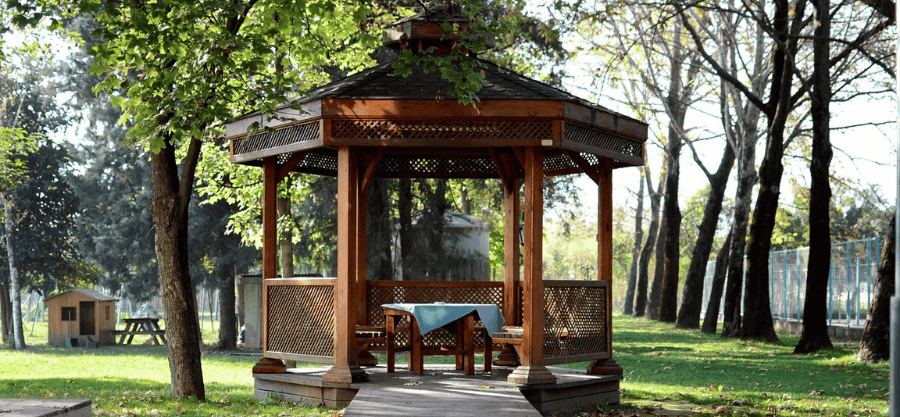
Gazebos, on the other hand, evoke images of Victorian parks or romantic weddings. These are fully roofed, often octagonal or hexagonal structures with open sides, sometimes screened for bug protection. Historically, they served as pavilions for viewing landscapes, and today, they're popular for providing a sheltered spot in the yard.
Constructed from similar materials—wood being the most traditional, but metal and vinyl options abound—gazebos usually feature a raised floor and railings, giving them a more defined, room-like feel. The roof is typically pitched and solid, offering complete protection from rain and sun.
What sets gazebos apart is their sense of enclosure. They're like a little house in the garden, perfect for intimate seating areas or even hot tubs. If you've ever attended an outdoor event under a gazebo, you know how they create a focal point, drawing people in with their elegant silhouette.
Key Differences Between Pergolas and Gazebos
While both structures enhance outdoor living, their differences lie in design, functionality, and aesthetic impact. Let's break it down:
-
Structure and Coverage: Pergolas have an open roof with crossbeams, providing partial shade. Gazebos offer full coverage with a solid, often domed roof, making them better for all-weather use.
-
Size and Placement: Pergolas can span large areas, like over a patio, and are often attached to homes. Gazebos are usually smaller, freestanding units placed in open yard spaces for a scenic view.
-
Purpose: Pergolas are ideal for defining pathways or dining areas, blending with the landscape. Gazebos serve as standalone retreats, great for reading or small gatherings.
-
Customization: Pergolas allow for easy additions like retractable shades or lights. Gazebos might include built-in benches or screens, but alterations can be more involved due to their enclosed nature.
These distinctions aren't just cosmetic; they influence how each fits into your daily life. For instance, if your backyard gets a lot of rain, a gazebo's full roof might be a lifesaver, whereas a pergola's openness suits drier climates.
Pros and Cons of Choosing a Pergola
Pergolas have surged in popularity for good reason, but they're not without drawbacks. Here's a balanced view:
Advantages:
-
Versatility: They can be adapted for various uses, from supporting plants to hanging swings. Their open design makes them feel expansive.
-
Aesthetic Appeal: With vines or fabric drapes, pergolas add a romantic, Mediterranean vibe to any yard.
-
Cost-Effective: Generally cheaper to build than gazebos, especially if you opt for a kit or DIY approach.
-
Easy Integration: Attaching one to your home creates a seamless indoor-outdoor flow, perfect for entertaining.
Disadvantages:
-
Limited Protection: Without additions like shades, they offer minimal shelter from rain or intense sun.
-
Maintenance Needs: Wooden versions require regular staining to prevent weathering, and climbing plants can attract pests.
-
Wind Vulnerability: In high-wind areas, the open structure might not hold up as well without reinforcements.
Overall, if you value flexibility and a connection to nature, a pergola could be your go-to. I've seen friends turn theirs into outdoor kitchens, complete with grills and seating—it's like adding a new room without walls.
Weighing the Pros and Cons of Gazebos
Gazebos bring a touch of whimsy to backyards, but let's examine their strengths and weaknesses closely.
Benefits:
-
All-Weather Shelter: The solid roof keeps you dry and shaded, making it usable year-round in many climates.
-
Privacy and Enclosure: Screens or curtains can create a bug-free, secluded space for relaxation or swimming pool cover.
-
Focal Point: Their distinctive shape adds architectural interest, often becoming the yard's centerpiece.
-
Durability: Well-built gazebos withstand elements better, especially if made from treated wood or metal.
Drawbacks:
-
Higher Cost: More materials and complexity mean they're pricier to install.
-
Space Requirements: They need a flat, open area and might overwhelm smaller yards.
-
Less Flexibility: Once built, redesigning is trickier compared to pergolas.
-
Heat Buildup: In hot weather, the enclosed design can trap warmth without proper ventilation.
In my experience, gazebos shine in larger properties where you want a dedicated spot away from the house. Think of it as a backyard sanctuary for yoga or evening cocktails.
Factors to Consider Before Making Your Choice
Deciding between a pergola and a gazebo isn't just about looks—it's about lifestyle and practicality. Start by assessing your yard's size: A sprawling lawn might accommodate a grand gazebo, while a compact patio suits a sleek pergola.
Climate plays a huge role too. In rainy regions, a gazebo's protection is invaluable, but in sunny spots, a pergola's adjustable shade (think retractable canopies) offers comfort without darkness. Consider your intended use: Dining al fresco? Pergola. Quiet reading nook? Gazebo.
Budget is another key factor. Pergolas often start at a lower price point, but add-ons can inflate costs. Gazebos, with their intricate roofs, might require professional installation, adding to the expense.
Don't forget local regulations. Some areas have building codes for structures over a certain size, including permits for foundations. Measure your space, sketch ideas, and maybe consult a landscaper for insights.
Family needs matter as well. If you have kids or pets, an open pergola might be safer than a raised gazebo. Ultimately, visualize how it fits your routine—will it get used, or become a forgotten feature?
Exploring Design and Style Options
Both pergolas and gazebos come in endless styles, allowing you to match your home's architecture.
For pergolas:
-
Modern Minimalist: Clean lines with metal frames and no frills.
-
Rustic Charm: Wooden beams with natural stains, ideal for country settings.
-
Asian-Inspired: Curved rafters and bamboo accents for a zen feel.
Gazebos offer:
-
Victorian Elegance: Ornate spindles and gingerbread trim.
-
Contemporary Sleek: Powder-coated aluminum with simple geometries.
-
Tropical Vibes: Thatched roofs for a beachy escape.
Mix materials for uniqueness—combine wood with fabric sails on a pergola, or add LED lights to a gazebo for nighttime ambiance. Colors can blend with your house: Earth tones for subtlety, bold hues for pop.
Incorporate accessories like fans, heaters, or planters to personalize. The goal is harmony with your landscape, whether it's formal gardens or wild meadows.
Maintenance and Durability: Keeping It Looking Great
No outdoor structure is maintenance-free, but understanding upkeep helps longevity.
Pergolas demand periodic checks:
-
Wood: Seal annually to resist rot and insects.
-
Metal: Watch for rust; powder coating helps.
-
Vines: Prune regularly to avoid overgrowth.
Gazebos need similar care:
-
Roof: Inspect shingles or metal for leaks.
-
Floor: Clean and treat to prevent slips.
-
Screens: Repair tears promptly.
Durability depends on quality materials. Pressure-treated wood lasts decades, while cheap vinyl might fade. In harsh weather, anchors and braces are crucial.
Pro tip: Choose low-maintenance options if time is short. Composite materials mimic wood without the hassle, extending lifespan to 20-30 years.
Cost Comparison: What to Budget For
Costs vary widely based on size, materials, and labor.
Entry-level pergolas: $1,000-$3,000 for kits; custom builds up to $10,000+.
Gazebos: Basic models $2,000-$5,000; elaborate ones $15,000 or more.
Factor in extras: Foundations ($500-$2,000), electrical wiring for lights ($300+), or professional installation ($1,000-$3,000).
DIY can save money but requires skills. Shop around for deals, and remember, investing in quality pays off in reduced repairs.
Installation Tips for a Smooth Process
Whether DIY or pro, preparation is key.
For pergolas:
-
Level the ground; use concrete footings for stability.
-
Assemble beams carefully—align for even shade.
For gazebos:
-
Pour a solid foundation to prevent shifting.
-
Ensure roof pitch allows water runoff.
Tools needed: Drills, levels, and perhaps a helper. Safety first—wear gear and follow instructions.
If hiring, check reviews and get quotes. Post-install, add finishing touches like furniture to make it inviting.
Conclusion: Making the Right Backyard Choice
In the end, choosing between a pergola and a gazebo boils down to your vision for the space. Pergolas offer open, adaptable elegance, while gazebos provide cozy, protected charm. Weigh your needs, budget, and yard's quirks to decide. Whichever you pick, it'll elevate your outdoor enjoyment, creating memories under the stars or sun. Take your time— the perfect structure awaits to turn your backyard into a haven.
AUTHOUR BIO: