

This article is part of the HOGDigest editorial series. → Explore HOGDigest
Moving a bathroom sink can completely change the look, comfort, and functionality of your space. Whether you are installing a modern vanity, creating a more open bathroom design, or changing the sink position for better use of space, knowing how to move bathroom sink plumbing is essential before starting the project.
Relocating a sink is not only about moving the basin. It involves adjusting water supply lines, drainage pipes, and sometimes the vent system. Proper planning helps prevent leaks, poor drainage, and expensive repairs later. citeturn0search1
This guide explains the complete process, important considerations, costs, and design tips to help homeowners understand how bathroom sink plumbing can be moved successfully.
Why Move Bathroom Sink Plumbing?
There are several reasons homeowners decide to relocate their bathroom sink plumbing.
A common reason is a bathroom renovation. Many people want to replace an old pedestal sink with a stylish vanity or move the sink closer to storage areas. Others may want to create more walking space or improve the overall bathroom layout.
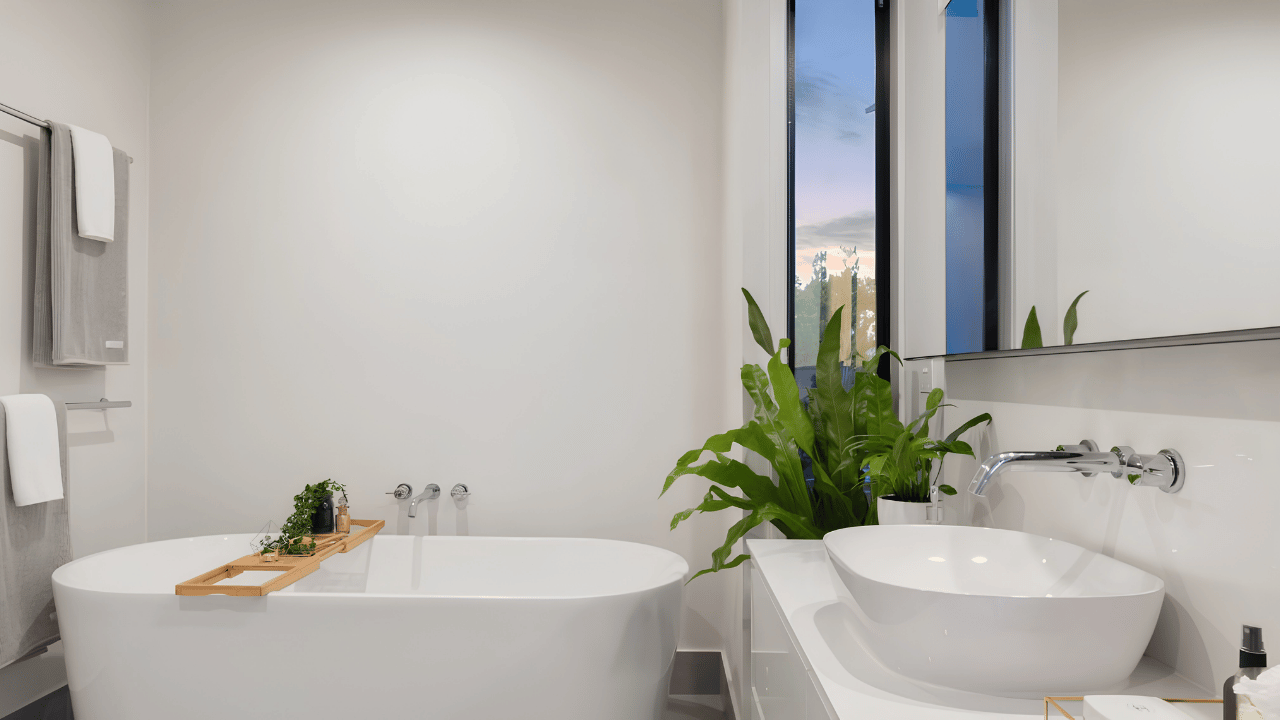
Moving the sink can also help create a luxury bathroom appearance. A centered vanity sink, floating cabinet, or double sink setup can make a small bathroom feel larger and more organised.
However, the plumbing location plays a major role. The farther a sink moves from existing pipes, the more complex the project becomes. Longer drain routes may require additional adjustments to maintain proper water flow and ventilation.
Understanding Bathroom Sink Plumbing Components
Before moving your sink, it is important to understand the main plumbing parts involved.
Water Supply Lines
These are the pipes that bring hot and cold water to your faucet. When moving a sink, these pipes must be extended or redirected to the new location.
Drain Pipe
The drain pipe carries used water away from the sink. It usually connects to a P-trap under the basin, which prevents sewer gases from entering your bathroom.
Vent Pipe
A vent allows air into the drainage system and helps water flow smoothly. In some cases, moving the sink requires adjusting the vent connection as well.
A successful relocation requires all three systems to work together.
Steps to Move Bathroom Sink Plumbing
1. Plan the New Sink Location
The first step is deciding where the sink will go. Measure the available space and check whether the new location works with your bathroom design.
Look behind walls and under floors to identify existing pipes. Hidden plumbing, wall studs, electrical wiring, and floor joists can affect the project.
Keeping the new sink close to existing plumbing usually reduces work and costs.
2. Turn Off the Water Supply
Before removing any pipes, shut off the main water supply or the bathroom isolation valves.
Open the faucet afterward to release remaining pressure inside the pipes. This prevents accidental leaks during the plumbing changes.
3. Remove the Existing Sink
Carefully disconnect:
- Faucet connections
- Water supply tubes
- Drain pipe
- P-trap
- Sink mounting hardware
Keep the removed parts organised because some fittings may be reusable depending on their condition.
4. Move the Water Supply Pipes
The hot and cold water pipes must be extended to reach the new sink position.
Modern plumbing projects often use materials such as PEX because it is flexible and easier to route through walls. Copper pipes may also be extended but usually require more specialised skills.
The new pipe location should match the height and position required for the new faucet installation.
5. Relocate the Drain Pipe
Moving the drain is usually the most challenging part of the project.
The drain pipe needs proper slope so wastewater can flow efficiently. Incorrect positioning can cause slow drainage, unpleasant smells, or frequent blockages.
A professional plumber may need to adjust:
- PVC drain pipes
- Elbows and fittings
- P-trap location
- Vent connections
Using the correct fittings is important because plumbing connections must remain secure and leak-free. citeturn0search19
6. Check Venting Requirements
Some sink moves require changes to the existing vent system.
Without proper venting, you may experience:
- Gurgling sounds
- Slow drainage
- Sewer odours
The exact requirements depend on your home's plumbing design and local building regulations.
Can You Move Bathroom Sink Plumbing Yourself?
A skilled DIY homeowner may handle simple tasks like replacing a faucet or adjusting visible connections. However, moving plumbing inside walls or floors is more complicated.
Professional help is recommended when:
- Pipes need to move inside walls
- Drain lines require major changes
- The bathroom layout changes significantly
- Building permits are required
Poor plumbing installation can lead to hidden leaks, water damage, and costly repairs.
How Much Does It Cost to Move Bathroom Sink Plumbing?
The cost depends on several factors:
- Distance of the new sink location
- Type of pipes
- Wall and floor access
- Labour charges
- Bathroom size
A simple relocation may cost a few hundred dollars, while major bathroom renovations involving new drainage routes can cost much more.
Planning carefully before construction begins can help control expenses.
Design Tips After Moving Your Bathroom Sink
Once plumbing is relocated, focus on improving the bathroom design.
Some popular ideas include:
- Installing a floating vanity for a modern look
- Adding LED mirror lighting
- Creating extra countertop space
- Using large-format tiles to make the room feel bigger
- Choosing storage-friendly cabinets
A well-planned sink location can improve both appearance and daily convenience.
Conclusion: Improve Your Bathroom With Smart Plumbing Changes
Knowing how to move bathroom sink plumbing helps homeowners plan successful bathroom renovations without unexpected problems. The process involves careful measurement, water line adjustments, drain relocation, and proper ventilation.
According to home improvement trends, bathroom upgrades remain one of the most popular ways to improve property comfort and value. Many homeowners focus on functional layouts, modern fixtures, and stylish interiors when renovating their homes.
For more inspiration, ideas, and renovation guidance, Home Comfort Experts provides useful information about home designs, home improvement, and home décor ideas. The platform focuses on helping homeowners create comfortable and attractive living spaces through practical design tips, renovation inspiration, and modern home solutions. Whether you are planning a bathroom makeover, upgrading interiors, or improving your overall home style, resources like Home Comfort Experts can help you explore better design choices.
Ready to transform your bathroom into a more functional and stylish space? Start by planning your sink relocation carefully and consider how plumbing changes can support your overall design goals. From choosing the right sink position to creating better storage, lighting, and countertop space, smart planning can make a major difference. Explore Home Comfort Experts for more practical bathroom renovation ideas, home improvement tips, and design inspiration to help you create a comfortable, modern home.