

This article is part of the HOGDigest editorial series. → Explore HOGDigest
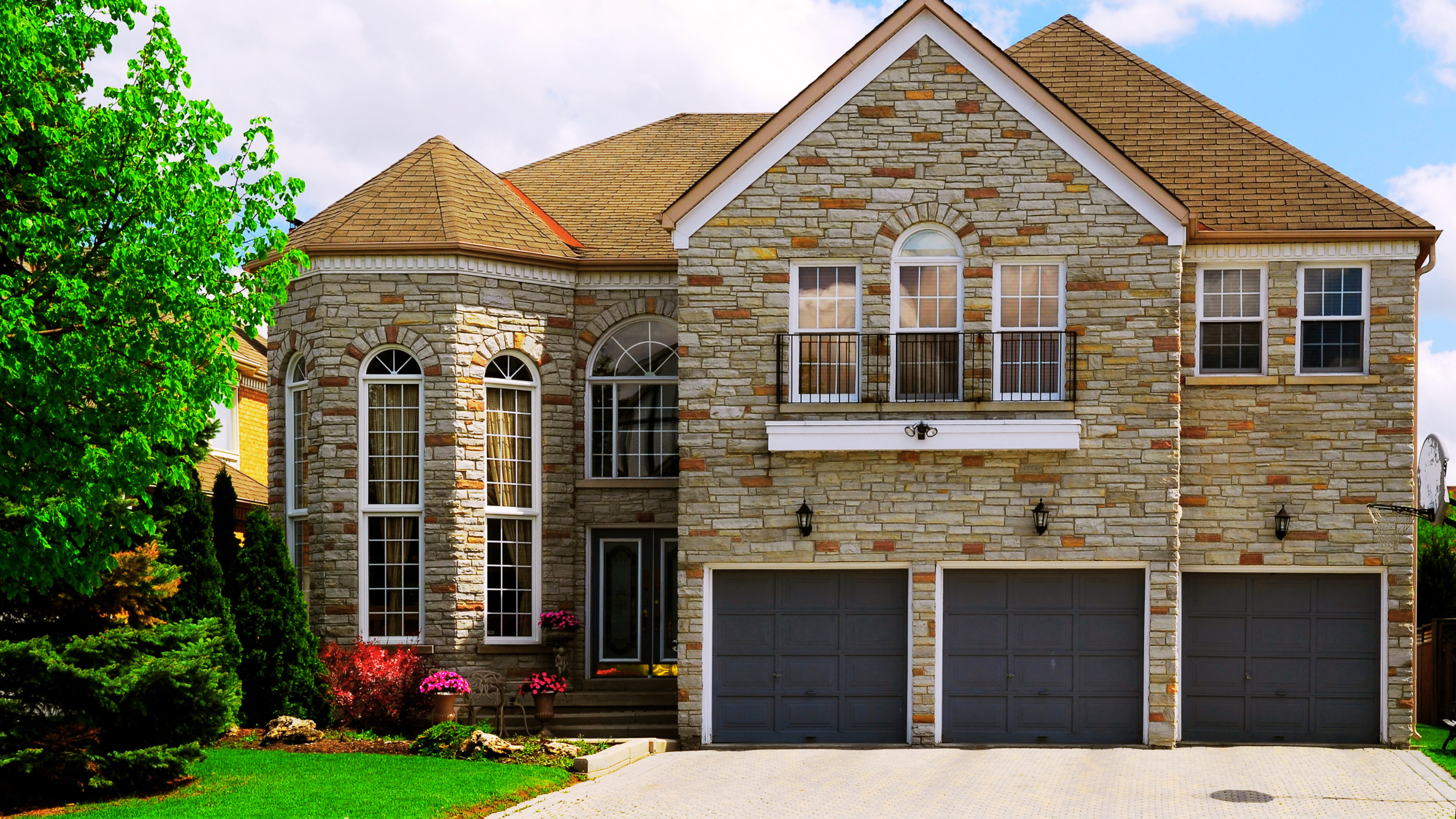
About 80% of American homes already have a garage, which means a meaningful number of homeowners are either living without one or living with one that no longer meets their needs. A garage addition is one of the most practical home improvements you can make, and in 2026, one of the more significant investments as well. A standard garage addition typically costs between $25,000 and $70,000 or more, depending on size, type, and site conditions. A 2-car garage, the most popular configuration by far, usually lands between $25,000 and $60,000.
Here is what drives that number and what to watch for before signing a contract.
How Much Does a Garage Addition Cost by Size?
Size is the biggest cost lever, but smaller garages actually cost more per square foot because fixed costs like permits and site prep don't shrink proportionally.
A 1-car attached garage typically costs $7,000 to $18,000. A 1-car detached garage runs $18,000 to $35,000, reflecting the added cost of a standalone foundation, four exterior walls, and separate utility runs. A 2-car garage costs $25,000 to $60,000 and measures roughly 20 to 24 feet wide and deep. A 3-car garage runs $30,000 to $80,000.
On a per-square-foot basis, attached garages run $30 to $55 per square foot, while detached garages run $40 to $75. If you are debating between a 1-car and 2-car garage and have the lot space, the marginal cost of the extra bay is often only $8,000 to $12,000, while the utility and resale value it adds tend to be significantly higher.
Should You Build Attached or Detached?
Attached garages share walls and a foundation edge with your home, making them cheaper and faster to build. Detached garages require a complete independent foundation, four exterior walls, and their own utility runs, which typically adds 10% to 20% to the total cost.
That said, the right choice depends on more than just upfront price. Lot slope, setback requirements, existing utility locations, and the size of the structure you need all affect what your specific project actually costs, often in ways that push the number well outside the general per-square-foot range. Getting a project-specific number before committing to either option is exactly what construction estimating services from ACON Engineering provide: a trade-level cost breakdown from actual project drawings that accounts for your lot's specific conditions rather than national averages that may not reflect your property at all.
What Site and Hidden Costs Should You Budget For?
Before a single wall goes up, site preparation adds real cost. Land surveying and plot plans to confirm setback compliance typically run $500 to $1,500. Excavation and grading depend heavily on your lot's slope and soil conditions. Concrete slab foundations cost $6 to $14 per square foot, representing a meaningful share of the total budget before framing begins.
Once the structure is complete, many homeowners invest in security upgrades for the new space. For those evaluating how to protect a new garage from day one, our guide to high security garage doors for premium residential properties covers the features worth building in at the design stage rather than retrofitting later.
What Code Requirements Apply to Attached Garages?
There is one code requirement specific to attached garages that consistently gets missed in early budgeting: fire-rated separation between the garage and the adjacent living space.
Building codes require fire-resistance-rated wall and ceiling assemblies between an attached garage and any living area it shares a wall or ceiling with. The rating required depends on whether living space sits directly above the garage, what the shared wall connects to, and the construction type of the home. This is a scope item with its own material specifications and labor requirements that a basic framing estimate often doesn't isolate as its own line item, which is exactly why it tends to surface as a mid-project surprise rather than a planned cost.
Is a Garage Addition Worth It?
A garage addition typically recoups 60% to 80% of its cost in immediate home value, adding an estimated $5,000 to $25,000, depending on market and quality. In colder climates, especially, covered parking is often viewed by buyers as a necessity rather than an upgrade, and homes without a garage tend to spend more time on the market than comparable homes with one.
On the financing side, a home equity loan works well for projects where the total cost is known upfront, with 2026 rates running 7% to 10% for well-qualified borrowers. A construction loan, which funds work in draws before converting to permanent financing, is typically the right structure for larger projects above $75,000.
Conclusion
Adding a garage to your home in 2026 typically costs $25,000 to $70,000 or more, with a standard 2-car garage running $25,000 to $60,000. Attached garages cost 10% to 20% less than detached ones, site preparation adds real cost before framing begins, and code-driven requirements like fire-rated separation for attached configurations deserve their own line item in any honest budget.
Whether you are planning a 1-car attached garage or a larger detached structure, ACON Engineering's construction estimating services give you a number built from your actual project rather than a national average, before you commit to a contractor or a contract.