

This article is part of the HOGDigest editorial series. → Explore HOGDigest
Most foundation problems start quietly. A small crack appears in a basement wall, a door begins to stick, and a window frame looks slightly out of plumb. None of these things look urgent on a Tuesday afternoon. People notice, mentally file it under ‘something to look into eventually,’ and move on. Months or years later, the same homeowner is dealing with a much bigger problem that started as that small crack.
Foundation issues are unusual in that early detection is genuinely valuable. Catching a problem when it first shows up almost always means cheaper, less disruptive repairs than waiting. By contrast, foundation problems that are ignored compound. A small settlement becomes a larger settlement. A minor crack becomes a structural one. An annoying drainage issue becomes an expensive flooding issue.
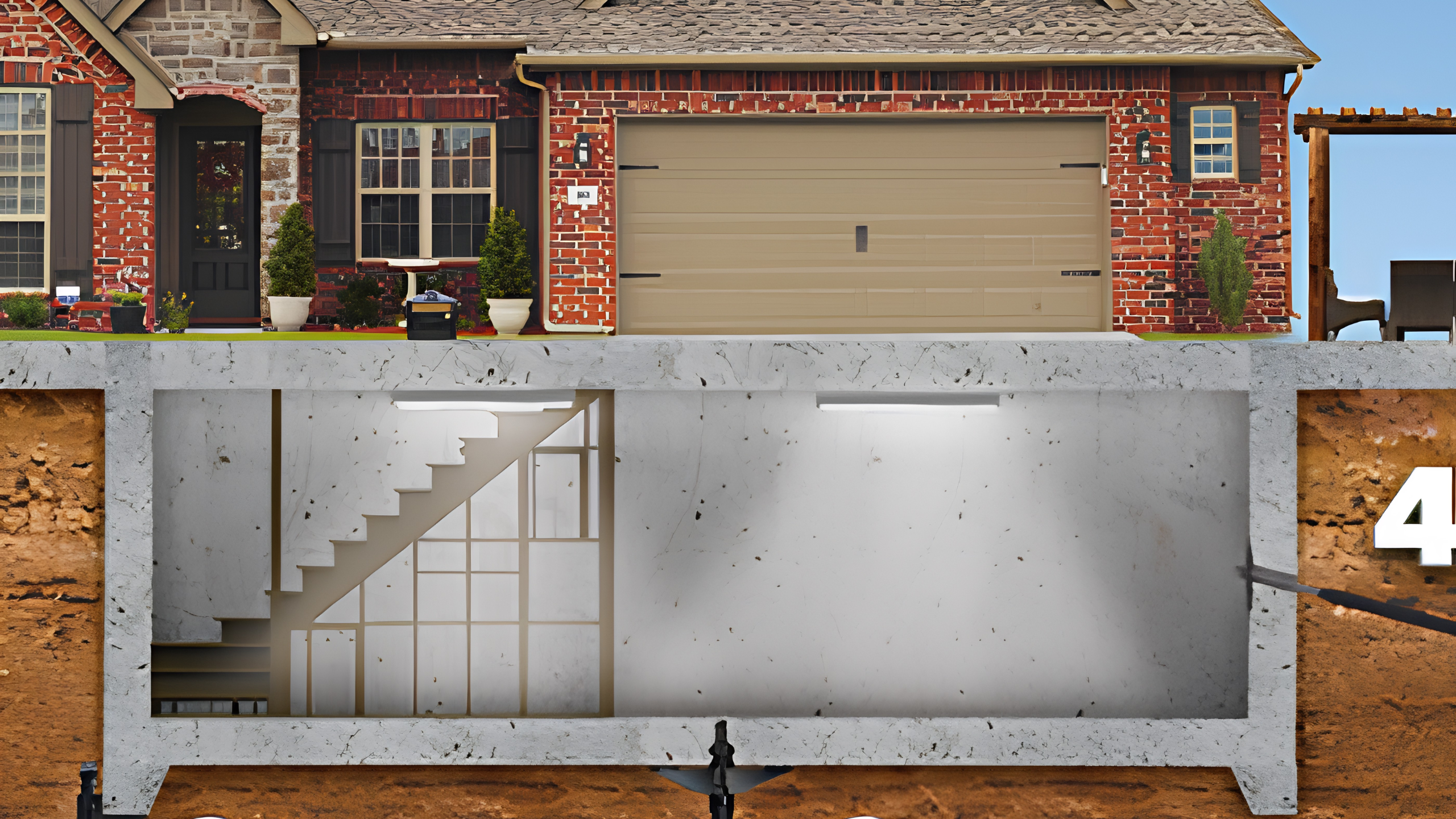
If you are seeing any of the warning signs below, it is worth getting a qualified opinion on whether professional helical pile installation is appropriate for your situation. Helical piles are not the right answer for every foundation problem, but they are the right answer for many, particularly cases involving settlement, weak soils, or the need to stabilize an existing structure without major excavation. A proper assessment is the only way to know what is actually happening underneath.
Why the stakes keep getting higher
Toronto’s climate is putting more stress on building foundations than ever before. By 2050, Toronto’s maximum daily rainfall is expected to more than double, rising to 166 mm from 66 mm today, according to the City of Toronto’s climate projections. The increased frequency and intensity of severe weather events mean foundations that were marginal in stable conditions are increasingly being pushed past their tolerance, exposing weaknesses that previously went unnoticed for decades.
Warning sign 1: cracks that change over time
Hairline cracks in foundation walls and basement floors are common and often cosmetic. Cracks that change over time are different. Watch for cracks that widen, lengthen, develop stair-step patterns in block walls, or appear in new locations. These often indicate ongoing movement, which is the structural warning sign that something is shifting.
A simple way to monitor a crack is to mark its endpoints with a pencil and date the marks. If the endpoints are migrating, the crack is growing. Take photos at intervals. Bring this documentation to whoever assesses the foundation; it gives them a far better picture than a single point-in-time inspection.
Warning sign 2: doors and windows that stop working properly
Doors that start sticking, windows that no longer open smoothly, or door frames that visibly skew are classic signs that a foundation is moving. When the structure shifts even slightly, the openings within it lose their alignment. A door that always opens fine and suddenly drags on the floor is telling you something.
Some seasonal door issues are normal in Canadian homes. Wood swells in humid summers and shrinks in dry winters, causing modest fit changes. Movement that persists year-round, gets progressively worse, or affects multiple doors and windows in the same area is more concerning.
Warning sign 3: visible separation around the home
Walk the exterior of the home and look for gaps between the house and attached features: porches pulling away from the main structure, decks separating from siding, garage walls separating from the rest of the house, or chimneys leaning relative to the main building. These visible separations indicate that different parts of the structure are moving differently.
Inside, look for separations between walls and ceilings, gaps appearing around the top of basement walls where they meet the floor above, or floor sloping that you can feel underfoot or measure with a level.
Warning sign 4: water issues that suggest soil problems
Foundation problems and water problems are often related. Soil that is too saturated, too dry, or shifting around the foundation creates the conditions for settlement. Signs that point in this direction include persistent water pooling near the foundation after rain, basements that have started leaking or flooding more often, soil that visibly pulls back from the foundation walls during dry periods, or efflorescence (white mineral deposits) appearing on basement walls.
These signs can also be straightforward drainage issues without foundation movement. The point is that they warrant assessment, not panic. A qualified inspector can determine whether the water issue is the symptom or the cause.
Warning sign 5: floor problems
Floors that have developed slopes, bouncy spots, or visible dipping are sometimes structural. Place a ball on different parts of the floor; if it consistently rolls in one direction across multiple rooms, that is a real signal. Tile cracks that follow specific lines, or hardwood floors that gap seasonally in new patterns, can also indicate movement underneath.
Older Toronto homes often have some level of floor variation as a natural consequence of their age. Progressive worsening is the issue worth investigating, not the baseline imperfection.
Why helical piles are often the right solution
Helical piles work well as a foundation solution in situations where traditional concrete underpinning would be impractical or excessive. The key advantages:
- Minimal excavation. Helical piles are installed by rotating steel shafts into the ground, requiring much less site disruption than concrete underpinning.
- Performance in weak soils. They transfer load to deeper, more stable soil layers, bypassing the unreliable layers that caused the problem.
- Quick installation. Most installations take days rather than weeks.
- Predictable load capacity. Helical piles are tested to specific load capacities during installation, giving engineers reliable performance data.
- Year-round installation. Unlike some traditional foundation work, helical piles can be installed in winter conditions.
Helical piles are well-suited to stabilizing settling foundations, supporting additions to existing buildings, building on weak or variable soils, and reinforcing decks, porches, and other secondary structures that are showing signs of movement.
What to do if you see these signs
Foundation problems are diagnosis-driven. The right next step is not necessarily an immediate repair; it is an accurate assessment. A qualified foundation specialist can determine whether what you are seeing represents a real structural concern, cosmetic settling, or a different issue (like drainage) that does not require foundation work.
Document what you are seeing with photos and measurements over time. Get more than one opinion, particularly for significant repairs. Be wary of contractors who diagnose and propose major work in a single visit without proper investigation. Strong professionals welcome second opinions because they are confident in their diagnoses.
Foundation issues caught early are routine repairs. Foundation issues that have been ignored for years become major projects. The cost of an assessment when you first notice warning signs is minimal compared to the cost of waiting until the problem is undeniable.