

This article is part of the HOGDigest editorial series. → Explore HOGDigest
Open-concept living has become a hallmark of modern design, offering a sense of openness, natural light, and flexibility that traditional layouts often lack. While these spaces are visually appealing, they present unique challenges when it comes to arranging furniture. Without walls to define boundaries, creating flow and functionality requires thoughtful planning. The goal is to strike a balance between aesthetics and practicality so that every zone feels intentional and connected.
Understanding the Role of Flow in Open Spaces
Flow is the invisible thread that ties an open-concept space together. It determines how people move through the area and how each zone interacts with the others. Poor flow can make even the most stylish room feel cluttered or disjointed. To achieve harmony, start by identifying the primary pathways. These are the routes people naturally take from one area to another, such as from the kitchen to the dining space or from the living area to the patio. Furniture should never obstruct these paths. Instead, it should guide movement in a way that feels effortless.
Defining Zones Without Walls
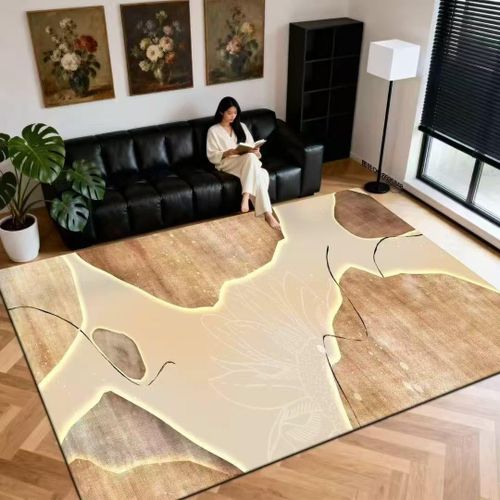
One of the biggest challenges in open-concept design is creating distinct zones without physical barriers. The key lies in using furniture placement as a tool for subtle separation. For example, a sofa can act as a natural divider between the living and dining areas. Rugs are another powerful tool for defining zones, as they visually anchor furniture and create a sense of purpose within each section. Lighting also plays a role; pendant lights over a dining table or a floor lamp near a reading nook can signal the function of a space without adding bulk.
Balancing Scale and Proportion
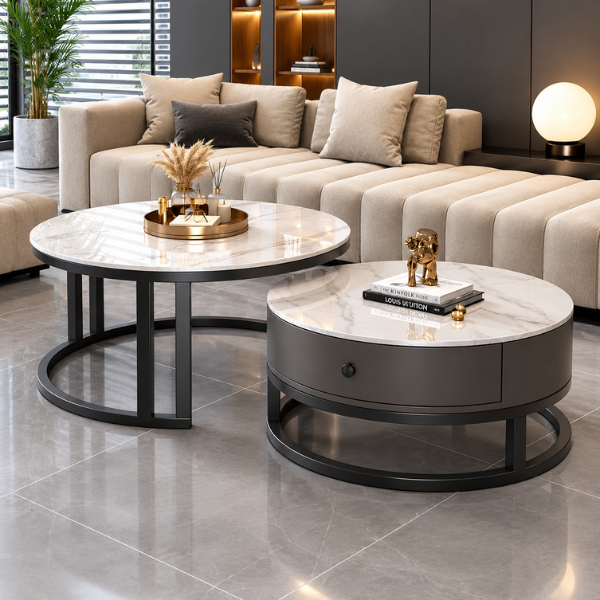
Open spaces often tempt homeowners to fill them with oversized furniture, but this can quickly overwhelm the room. Instead, focus on proportion. Large sectional sofas may work in expansive living areas, but they should be balanced with lighter pieces like accent chairs or slim console tables. Conversely, if the space is modest, opt for furniture that feels airy and doesn’t block sightlines. Maintaining visual balance ensures that no single piece dominates the room, allowing the eye to move comfortably across the entire space.
Incorporating Professional Insight
While many homeowners enjoy experimenting with layouts, open-concept spaces can be tricky to master without expert guidance. This is where professional interior designer services can make a significant difference. Designers bring a trained eye for scale, color, and spatial relationships, helping you avoid common pitfalls like overcrowding or awkward traffic flow. They can also recommend multifunctional pieces that maximize utility without sacrificing style. Investing in professional advice often saves time and money in the long run, ensuring your space feels cohesive and tailored to your lifestyle.
Adding Personality Through Accessories
Once the foundational layout is in place, accessories are what make the space truly yours. Pillows, throws, and artwork add warmth and character, while plants introduce texture and life. In open-concept designs, accessories should complement the overall palette to maintain visual continuity. However, don’t shy away from creating focal points. A bold piece of art or a statement light fixture can serve as an anchor, drawing the eye and adding depth to the design. The key is moderation, as too many competing elements can disrupt the sense of flow you’ve worked hard to achieve.
Conclusion
Mastering furniture layout in an open-concept space is about more than filling an empty room. It requires a thoughtful approach that considers movement, proportion, and visual harmony. By defining zones, maintaining balance, and incorporating personal touches, you can create a space that feels both functional and inviting. Whether you tackle the project yourself or seek expert guidance, the ultimate goal is a home that flows seamlessly and reflects your unique style.
Author bio: