

This article is part of the HOGDigest editorial series. → Explore HOGDigest
Making major capital investments is a defining challenge for any travel business. Among the most significant is the decision to purchase a bus, the core asset of your operation. This choice immediately brings you to a critical crossroads: should you invest in a brand-new vehicle or a pre-owned one? This is far more than a simple question of sticker price. A comprehensive cost comparison: new vs. used buses for travel involves analyzing upfront expenses, long-term operational costs, and the overall return on investment.
This guide will break down the essential financial factors to help you make an informed decision. We will explore the price difference: new vs. used China buses, dissect operational and maintenance costs, and evaluate key metrics like depreciation and resale value. By understanding the complete financial picture, you can choose the path that best secures your business's profitability and long-term success.
The Big Picture: Total Ownership Cost
To make a truly strategic decision, you must look beyond the initial purchase price and consider the total ownership cost: new vs. used China Yutong buses. The Total Cost of Ownership (TCO) is a comprehensive assessment that includes every expense associated with the bus throughout its life with your company.
Specifically, TCO includes:
-
The initial purchase price and financing costs
-
Depreciation (the loss of value over time)
-
Fuel and fluid expenses
-
Scheduled maintenance and unexpected repairs
-
Insurance and licensing
-
The final resale value when you sell the bus
Only by evaluating all these elements can you accurately compare the true financial impact of buying new versus used.
Upfront Price and the Depreciation Factor
The most striking difference between new and used buses is the initial cash outlay. This is a critical consideration, especially for small or growing businesses.
Price Difference: New vs. Used China Yutong Buses
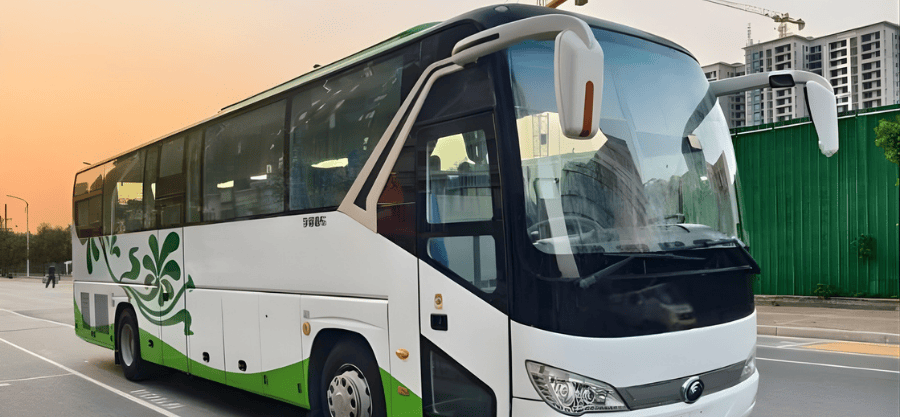
A brand-new coach from a reputable manufacturer like Yutong comes with the latest features, zero miles, and a full warranty, but it also comes with a premium price tag that can run into the hundreds of thousands of dollars. In contrast, a well-maintained used bus that is just a few years old can be purchased for a fraction of that cost. The price difference: new vs. used China Yutong buses can be substantial, often 30-50% less for a vehicle that is only three to five years old. This immediate and significant capital saving allows a business to allocate funds to other essential areas like marketing, driver salaries, or building a cash reserve for unexpected expenses.
Depreciation Rates: New vs. Used China Yutong Buses
Depreciation is the silent cost that affects every vehicle owner. A new bus, much like a new car, experiences its most rapid loss of value in the first one to three years of its life. This initial "depreciation cliff" can account for a 20-40% drop in value. When you buy new, you are the one who absorbs this financial hit.
Conversely, when you purchase a used bus, the original owner has already weathered the steepest part of the depreciation curve. As a result, the depreciation rates: new vs. used China Yutong buses are much more favorable for the second owner. Your asset will hold its value far more effectively, making it a more stable component of your company's balance sheet and providing a better return when it comes time to sell.
Operational and Maintenance Costs
While a used bus wins on upfront price, the analysis of ongoing costs is more nuanced. This is where you must balance the predictability of a new vehicle against the potential expenses of a used one.
Operational Costs: New vs. Used China Yutong Buses
Operational costs: new vs. used China Yutong buses are primarily driven by fuel consumption. Generally, new buses incorporate the very latest in engine technology and aerodynamics, often giving them a slight edge in fuel economy. This improved fuel efficiency: new vs. used China Yutong travel buses can result in noticeable savings on fuel over thousands of miles. However, the technology in buses made in the last 5-10 years is still highly advanced. A well-maintained used bus can deliver excellent fuel economy, and the difference may not be large enough to offset the massive upfront cost of a new vehicle.
Maintenance Expenses: New vs. Used China Yutong Buses
This is a critical point of comparison. A new bus comes with a comprehensive manufacturer's warranty. For a set period, you are protected from the cost of major component failures, providing predictable expenses and peace of mind.
A used bus, on the other hand, typically comes with a limited or no warranty. You assume the financial risk for any repairs. As a vehicle ages, the likelihood of needing to replace wear-and-tear items like brakes, tires, hoses, and belts increases. Therefore, it is essential to budget for higher potential maintenance expenses: new vs. used China Yutong buses. However, this risk can be effectively managed. A thorough pre-purchase inspection by a qualified mechanic can identify potential issues, and choosing a brand like Yutong with wide parts availability helps keep repair costs reasonable.
Long-Term Value and Investment Benefits
Your bus is more than just a vehicle; it's a long-term investment. How you finance it and what it's worth at the end of its service life are crucial parts of the equation.
Financing Options: New vs. Used China Yutong Travel Buses
Whether you buy new or used, financing is the most common method of acquisition. The financing options: new vs. used China Yutong travel buses are widely available for both, but the terms can differ. Lenders often offer slightly lower interest rates for new vehicles, as they are considered a less risky asset with a full warranty. For used buses, rates might be marginally higher, and the loan term could be shorter depending on the vehicle's age. It is important to secure financing quotes for both scenarios to compare the total interest paid over the life of the loan.
Resale Value: New vs. Used China Yutong Travel Buses
Because a used bus depreciates more slowly, it naturally retains a higher percentage of its purchase price over time. A strong resale value: new vs. used China Yutong travel buses is a hallmark of reputable brands. When you eventually decide to sell your used Yutong bus, you will likely recoup a larger portion of your initial investment compared to a new bus buyer selling after the same period. This makes the net cost of owning the used bus significantly lower.
Long-Term Savings and Investment Benefits
When you put all the pieces together, the case for a used bus becomes very compelling. The long-term savings: new vs. used China Yutong buses are driven by the massive reduction in upfront cost and the slower rate of depreciation. These two factors typically create a financial buffer that is more than enough to cover any increased maintenance costs. The investment benefits: new vs. used China Yutong travel buses are clear: you acquire a critical business asset for a lower capital outlay, reduce your financial risk, and achieve a lower total cost of ownership.
Making the Right Choice for Your Business
So, how do you decide? The answer depends on your specific business context.
A new bus may be the right choice if:
-
Your business has strong financial backing and can comfortably afford the high initial investment.
-
You prioritize having the absolute latest technology and a full manufacturer's warranty above all else.
-
Your marketing strategy is heavily built on promoting a brand-new, top-of-the-line fleet.
A used bus is likely the right choice if:
-
You are a new or growing business where preserving capital is a top priority.
-
Your goal is to achieve the lowest possible total cost of ownership.
-
You have done your due diligence, including a professional inspection and a review of maintenance records.
-
You want to maximize your return on investment and minimize the impact of depreciation.
In the final analysis, the cost comparison: new vs. used buses for travel reveals that a pre-owned vehicle offers a more financially prudent path for the vast majority of businesses. The significant upfront savings and slower depreciation create a powerful economic advantage that is difficult to ignore. While a new bus offers the security of a warranty, a carefully selected and well-maintained used bus from a reputable brand like Yutong provides outstanding reliability and performance at a much lower total cost of ownership. For the savvy business owner, a used bus is not a compromise—it is a strategic investment in a profitable and sustainable future.