

This article is part of the HOGDigest editorial series. → Explore HOGDigest
Walking into a room with the right rug feels different. It anchors the space, ties colors together, and makes furniture look intentional rather than scattered. Walking into a room with the wrong rug feels off, even if you can't quite explain why. So how do you actually choose a rug that fits your room's interior, instead of just picking whatever looks good on a screen?
The right rug should work with the room rather than compete with it. Its size, color, texture, and pattern all affect how the furniture and other decorative elements look together. Before buying, consider how the rug will fit into your existing space and whether it will remain practical for everyday use.
Start With the Room's Purpose
Before you think about color or pattern, think about function. A rug in a high-traffic entryway needs to handle dirt, moisture, and daily footsteps. A rug in a formal living room can afford to be a little more delicate. A rug in a kid's playroom needs to survive spills and years of use.
Think about who uses the room and how frequently it is used. Busy areas usually benefit from durable, easy-to-maintain rugs, while bedrooms and quieter spaces give you more freedom to prioritize softness and appearance. Choosing based on function first helps ensure that your rug remains attractive without becoming difficult to maintain.
This is where collections like Dynamic Rugs Rori tend to work well for living rooms and bedrooms. The Rori collection leans into soft, transitional patterns that suit rooms meant for relaxing rather than heavy foot traffic, so it makes sense in spaces where comfort matters more than industrial durability. A transitional design can also make decorating easier because it can work with both traditional and contemporary furniture. This versatility allows the rug to remain useful even if you update other elements of your room later.
Match the Rug to Your Existing Style
Every room already has a style, even if you haven't named it. Maybe it's mid-century, maybe it's coastal, maybe it's a mix of things you've collected over the years. The rug shouldn't fight that style; it should support it.
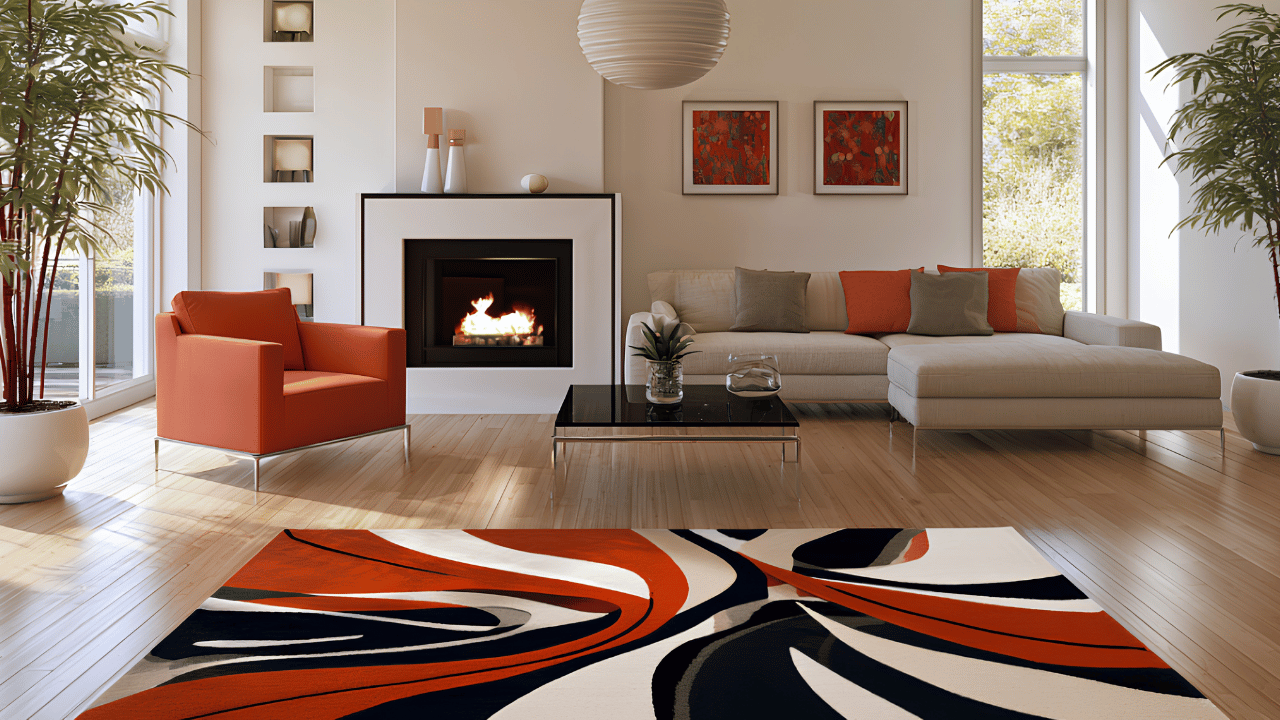
Look at your furniture, walls, flooring, curtains, and accessories before making a decision. The rug doesn't need to match everything exactly, but it should share some visual connection with the room. Repeating a color, pattern, or texture from another part of the space can make the overall design feel more intentional.
If your room leans toward clean lines, muted tones, and a slightly Scandinavian feel, something from the Dynamic Rugs Nordic line fits naturally. Nordic-style rugs typically favor simple geometric patterns and softer, neutral palettes, which work well in rooms that already avoid clutter and loud color.
On the other hand, if your room has warmer, more layered decor with mixed textures and richer tones, a rug like Dynamic Rugs Rori can add pattern without overwhelming the space, since its designs tend to blend traditional and modern elements. This makes a transitional rug useful when your furniture doesn't belong to one specific design style. It can help connect different elements and create a more balanced appearance.
Consider Size Before Anything Else
Even the best-looking rug fails if it's the wrong size. A rug that's too small makes furniture look like it's floating in the middle of nowhere. A general rule: in a living room, the front legs of your sofa and chairs should sit on the rug. In a dining room, the rug should be large enough that chairs stay on it even when pulled out.
Size is one of the most important factors because it affects the entire visual balance of a room. A properly sized rug can bring furniture together, while an undersized rug can make the space feel disconnected.
Measure your room first, then shop. Not the other way around. Before purchasing, consider using tape to mark the dimensions of the rug on your floor. This gives you a practical idea of how much space the rug will occupy and how it will interact with your furniture.
Think About Color Placement, Not Just Color
A common mistake is picking a rug because you like the color, without considering where that color sits in the room already. If your walls are neutral and your furniture is bold, the rug can lean neutral to balance things out. If your furniture is already neutral, the rug is a good place to introduce color or pattern, whether that's through a Dynamic rugs Nordic design with subtle tonal shifts or something with more visible pattern work.
Instead of looking at the rug by itself, consider the room's complete color palette. A rug can repeat a small accent color from cushions, artwork, curtains, or other accessories. It can also introduce contrast if the room feels too plain.
Think about the mood you want to create as well. Lighter colors can make a room feel open and calm, while darker or richer tones can create warmth and depth. The best choice is one that complements the existing atmosphere rather than competing with it.
Texture Matters More Than People Expect
Rugs aren't just visual; they're tactile. A flatweave rug feels and looks different underfoot than a plush, high-pile one. Rooms meant for lounging, like bedrooms or media rooms, often benefit from softer textures. Rooms with more foot traffic often do better with flatter, more durable weaves. Texture can also add another layer of design to a room. If your furniture and flooring have mostly smooth surfaces, a textured rug can make the space feel warmer and more interesting. In busy rooms with several patterns and textures, however, a simpler rug may provide better balance.
Don't Ignore Lighting
Natural light changes how a rug's color reads throughout the day. A rug that looks warm and inviting in a showroom photo might look completely different under your room's specific lighting. If possible, look at rug samples in your actual space, at different times of day, before committing. Artificial lighting can also change the appearance of colors. Warm bulbs may make certain tones appear richer, while cooler lighting can produce a different effect. Your walls and flooring can influence the appearance as well.
If you're shopping online, pay attention to multiple product images and close-up photographs. If samples are available, viewing one in your actual room is even better. It allows you to see how the color and texture work with your existing furniture before making a larger purchase. A good rug should feel like a natural part of the room. By considering practical needs alongside design preferences, you can choose something that looks beautiful, feels comfortable, and continues to work for your space over time.
FAQ
How do I know what size rug to buy for my living room?
Measure so your furniture's front legs can rest on the rug, rather than sitting entirely off it.
This helps visually connect the seating arrangement and prevents the rug from looking like a small piece placed randomly in the center of the room. When in doubt, marking the rug dimensions on the floor before buying can help you judge the proportions.
What's the difference between choosing a rug for a bedroom versus a hallway?
Bedrooms favor softer, plush textures for comfort, while hallways need flatter, more durable weaves for foot traffic.
The main difference is how the space is used. Bedrooms prioritize comfort and warmth, while hallways need to withstand frequent movement and are more likely to collect dirt. Choosing the rug according to these conditions makes it both attractive and practical.