


This article is part of the HOGDigest editorial series. → Explore HOGDigest
Every home should feel like a sanctuary, yet many contain invisible hazards that can undermine health over time. From off-gassing furniture to lingering moisture behind walls, hidden toxins can trigger respiratory irritation, headaches, sleep disruption, and, in the long term, elevate risks linked to chronic disease. The good news is that most of these issues can be identified and addressed with practical steps that fit into normal upkeep. Use this room to room guide to spot common culprits, take corrective action, and create a healthier indoor environment.
Kitchen: Cooking Fumes, Plastics, and Water Quality
Kitchens are the heartbeat of a home, which makes ventilation and material choices especially important. Gas stoves release nitrogen dioxide, carbon monoxide, and ultrafine particles during everyday cooking. Even electric stoves generate fine particles from searing and high-heat roasting. Run a vented range hood on high while cooking and for several minutes after you finish. If your hood recirculates air, consider upgrading to a properly ducted model that vents outside. Supplement with a portable HEPA purifier to capture particles in open-plan spaces.
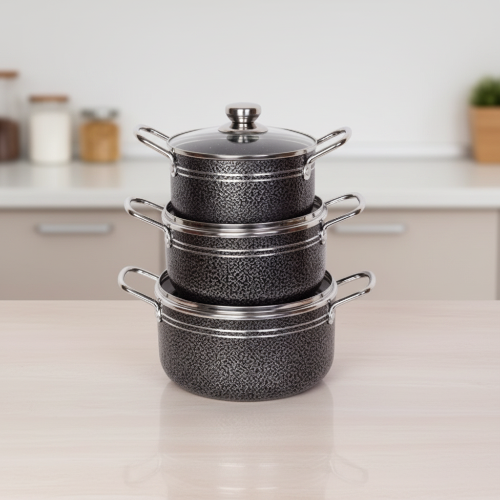
Plastics and nonstick coatings can add to the chemical load. Replace worn nonstick pans with stainless steel or cast iron, and avoid heating plastic utensils or containers. Store leftovers in glass or stainless containers, especially for acidic or hot foods. For cutting boards and storage, choose wood or high-quality BPA-free plastics, and retire anything that is heavily scratched.
Finally, evaluate water quality. Municipal water can carry lead from older pipes or fixtures and may include disinfection byproducts. A certified filter matched to your local water report provides targeted protection. Options range from simple pitcher filters to under-sink systems with activated carbon and reverse osmosis. Change cartridges on schedule since saturated filters can re-release contaminants.
Bedroom: Flame Retardants, Dust, and Sleep Air
Where you sleep sets the tone for recovery and long-term wellness. Mattresses, upholstered headboards, and older foam cushions may contain legacy flame retardants that migrate into household dust. Vacuum thoroughly with a HEPA device, including under the bed and along baseboards, and wet dust surfaces once or twice per week to capture particles rather than moving them around. If you are replacing a mattress, look for products that meet fire safety standards without added chemical flame retardants and confirm third-party certifications for low emissions.
Indoor air quality influences sleep quality. Keep the room cool and well ventilated with a cracked window when feasible or a balanced mechanical ventilator. Consider a quiet HEPA air purifier sized for the room’s square footage to reduce fine particles and pollen. Launder bedding in hot water weekly to limit dust mites. If you suffer from seasonal allergies, swap heavy drapes for washable shades and use allergen-proof encasements on pillows and mattresses.
Scented candles, plug-in air fresheners, and heavy perfumes can add volatile organic compounds. Choose fragrance-free detergents and cleaners, and opt for beeswax candles with cotton wicks if you want warm light without synthetic fragrance. Houseplants are great for mood, but do not rely on them to meaningfully scrub air. Focus on ventilation, filtration, and source control.
Bathroom: Mold, Mildew, and Personal Care Ingredients
Bathrooms blend humidity, warmth, and limited airflow. That combination can feed mold growth behind tile, under sinks, and around window frames. Run a high quality exhaust fan during showers and for at least 20 minutes afterward. If mirrors fog quickly, the fan likely needs upgrading or the duct is obstructed. Keep grout sealed, repair caulking, and address leaks promptly. For small mold spots, clean with detergent and water, then dry completely. For persistent or widespread growth, consult a qualified remediator.
Personal care products can introduce phthalates, formaldehyde donors, and other sensitizers. Simplify your routine and review ingredient lists. Fragrance free options reduce exposure for sensitive skin and airways. Store products away from heat and direct sunlight to limit chemical break down. Replace vinyl shower curtains with polyester or glass enclosures to reduce plasticizers in air and water. Choose natural fiber towels and wash frequently to prevent musty odors and bacterial buildup.
Water temperature habits matter too. Very hot showers increase steam that can carry dissolved chemicals and contribute to condensation on walls. Warm or moderately hot water helps reduce vapor volume. A simple squeegee pass on walls and glass after each shower cuts down significantly on lingering moisture.
Living Room: Furniture Off-gassing, Rugs, and Electronics
In living areas, large surface materials influence indoor chemistry. New furniture, composite wood shelving, carpets, and area rugs can release VOCs such as formaldehyde. When introducing new items, unwrap and air them out in a garage or well ventilated room for a few days. Seek products labeled low VOC or CARB Phase 2 compliant for formaldehyde. Solid wood furniture with natural finishes often emits less than particleboard bound with urea-formaldehyde adhesives.
Vacuum rugs and upholstery with a HEPA machine at least weekly to capture dust-bound chemicals and allergens. If you have wall-to-wall carpeting and plan a renovation, consider hard surface flooring like wood, cork, or tile paired with washable rugs. Choose pads made of felt or natural rubber rather than crumb rubber, which can release unwanted odors.
Electronics and power supplies can accumulate heat and dust. Keep vents clear, wipe down surfaces with slightly damp microfiber, and store batteries properly to prevent leakage. Use surge protectors with on-off switches to cut phantom loads overnight, which reduces heat and may prevent minor off odors from warmed plastics. Increase cross ventilation on mild days to dilute indoor pollutants, even if only for ten to fifteen minutes.
Basement, Attic, and Garage: Radon, Asbestos, and Combustion Byproducts
Utility zones hide some of the most consequential hazards. Basements in many regions have elevated radon, a radioactive gas that increases lung cancer risk. Test with an inexpensive kit or a continuous monitor. If levels exceed local guidelines, contact a certified mitigator to install sub-slab depressurization or other controls. Keep sump pits covered and seal obvious foundation cracks to reduce entry points.
Older homes sometimes contain asbestos in insulation, floor tiles, pipe wrap, and joint compound. Disturbing these materials during a renovation can release fibers that pose serious health risks. Hire licensed professionals for testing and remediation. If exposure is suspected and you are seeking legal advice related to occupational or environmental exposure, some families consult mesothelioma lawyers in Kentucky or their area who specialize in asbestos cases and can help navigate documentation and next steps. Keep in mind that prevention starts with caution. Never sand or cut suspect materials without proper assessment.
In garages and workshops, combustion byproducts from vehicles and tools can seep into living areas. Do not idle engines indoors. Store gasoline and solvents in sealed containers, and choose water-based finishes and adhesives when possible. Improve separation with weather stripping and ensure the door to the house closes tightly. Install carbon monoxide alarms on each level and near sleeping areas. Service furnaces and water heaters annually to verify combustion safety and venting integrity.
Whole Home Strategy: Testing, Ventilation, and Maintenance
A healthy home is the sum of consistent habits. Start with a simple audit. Note any rooms with odors, condensation, or visible staining. Replace HVAC filters on schedule, choosing MERV ratings that your system can handle without restricting airflow. Balance ventilation with energy efficiency by using trickle vents, bathroom and kitchen exhausts, and, where feasible, an energy recovery ventilator that exchanges stale indoor air for fresh outdoor air with minimal heat loss.
Targeted testing adds confidence. Water testing identifies minerals, metals, and microbial contamination. Radon monitors establish a baseline across seasons. A professional indoor air assessment can measure VOCs, particulate levels, and humidity trends for a data driven plan. Document product choices and maintenance dates so you can track what works and when to revisit an area.
Finally, practice smart purchasing. Look for third-party certifications such as GREENGUARD Gold, Green Seal, or low VOC labels. Favor simple ingredient lists for cleaners. Vinegar, diluted castile soap, and baking soda handle many tasks. Store chemicals away from children and pets, in original containers with readable labels. Small, steady improvements create a cumulative reduction in exposure that you can feel.
Conclusion
Hidden household toxins are common, but they are manageable with attention to ventilation, moisture control, smarter product choices, and routine maintenance. By addressing the kitchen, bedroom, bathroom, living spaces, and utility areas with focused steps, you can significantly reduce indoor pollutants and improve comfort and long-term health. Start with one priority this week, measure the difference, and build from there. Your home will become safer, cleaner, and more supportive of the life you want to live.