

This article is part of the HOGDigest editorial series. → Explore HOGDigest
Living in small apartments or compact houses has become rapidly common in modern cities. While limited square footage can sometimes feel restrictive, the smart interior design technique can completely turn a small space into one that feels open, ventilated, and functional. The correct choice in colors, light, furniture, and layouts can maximize each inch and create an inviting environment. Whether you're going to a new house or re re-designing your current, the simplest rooms can also make effective strategies feel huge and stylish.
The Role of Professionals in Space Transformation
For domestic owners who find it difficult to re-design compact areas, working with trusted interior designers in Gurgaon can be a major difference. Experts not only understand how to manage dimensions but also provide creative solutions that balance functionality and aesthetics. From selecting multi-purpose furniture to creating clever storage solutions, professional designers can ensure that small houses look large without compromising comfort or design appeal.
Additionally, their expertise in color schemes, lighting and spatial plans helps maximize every corner of the house, which transforms boundaries into opportunities. With their guidance, even compact places can feel stylish, organized and really personal. Professionals are also updated with the latest trends, durable materials and smart design techniques, making sure the houses are modern and environmentally friendly.
Smart Interior Design Tricks to Maximize Space
A clever plan is required to design small areas. Some of the most effective strategies include:
-
Light colors for walls and ceilings: Soft shades such as white, pastel, or light gray reflect light, making a room feel more open and less limited.
-
Use of mirrors: Strategically placed mirrors create confusion of depth and double the visual shape of a room.
-
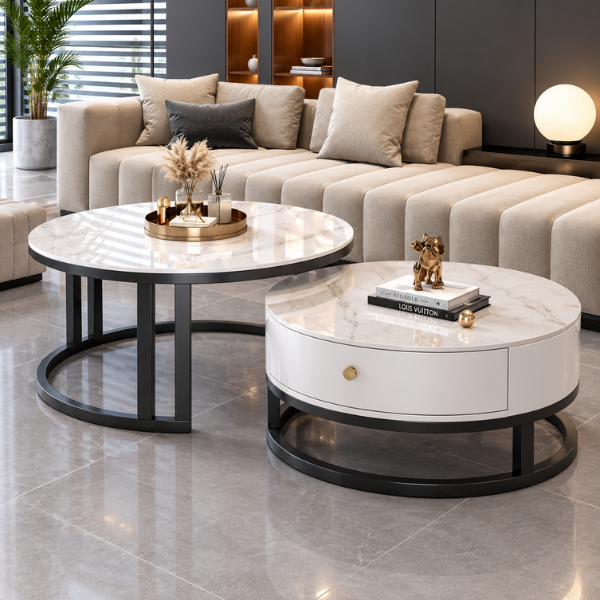
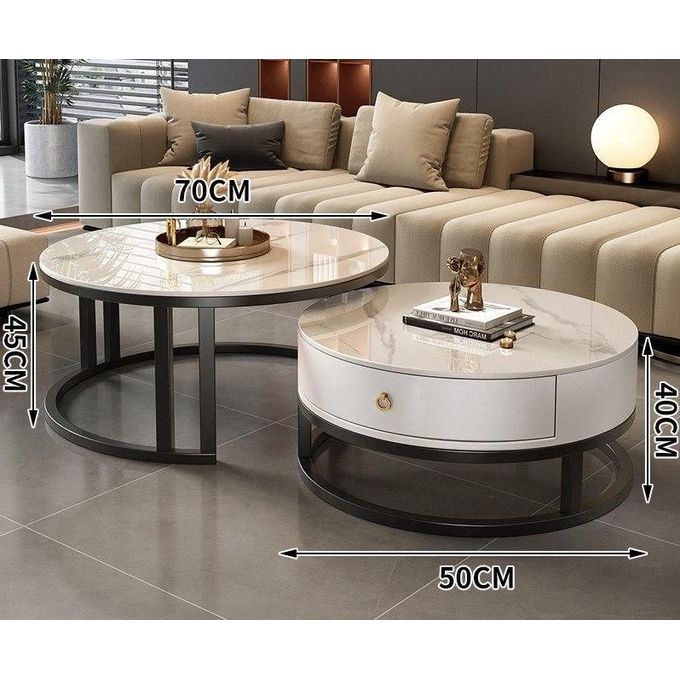
Furniture with legs: couch, chairs, and floor -raised tables allow visibility under them, feeling lighter and more open.
-
Declutter and systematic: The chaos makes the rooms look small. Minimalism and smart storage solutions are important for creating openness.
-
Natural light: Maximizing windows, skylight, or sheer curtains allows the natural light independently, adding vastness to any area.
Smart Interiors: Furniture, Layout, and Lighting Tips
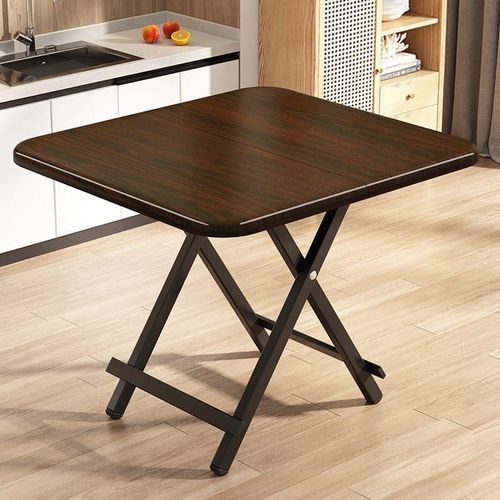
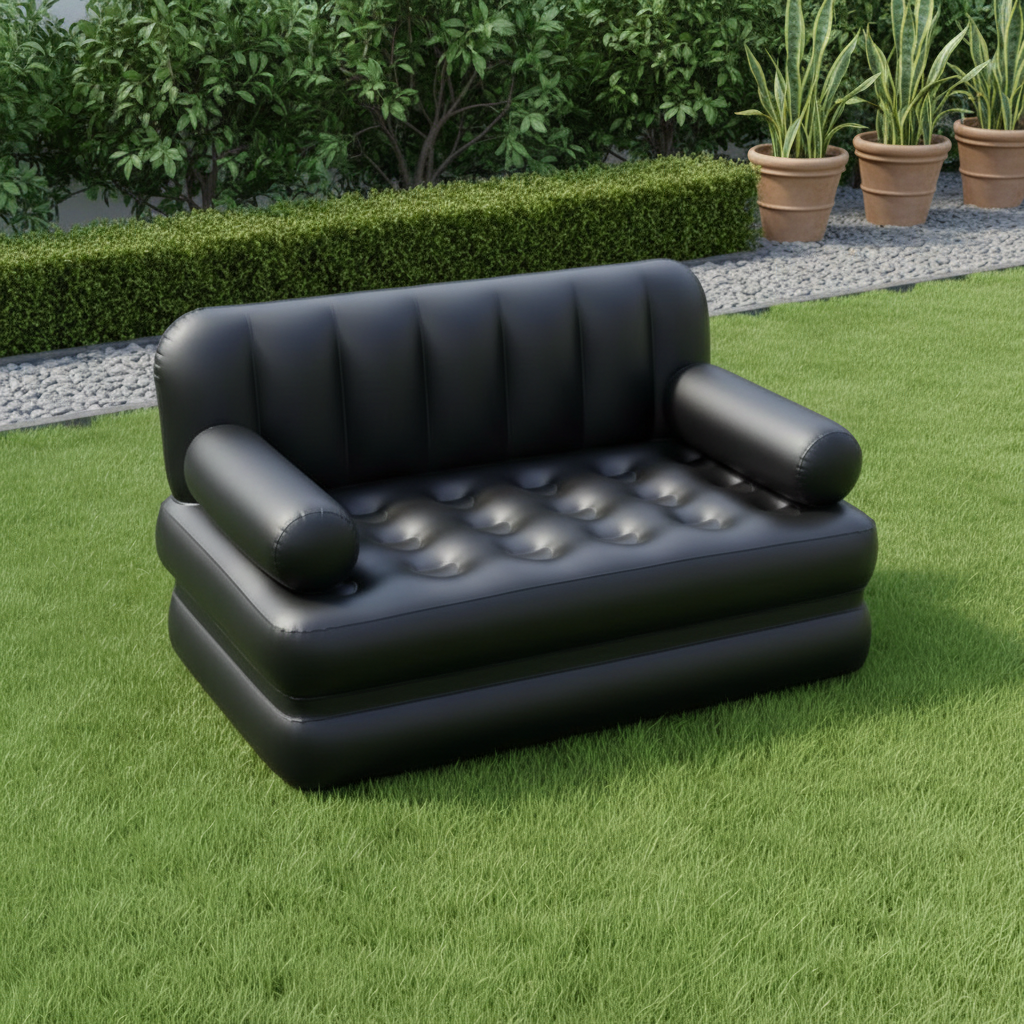
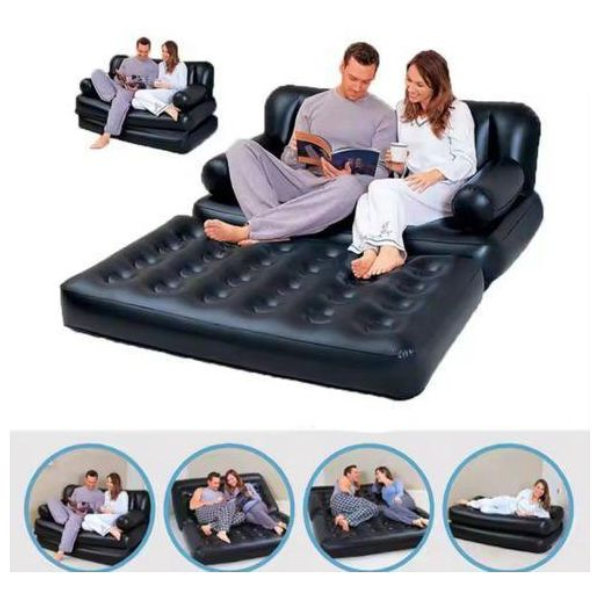
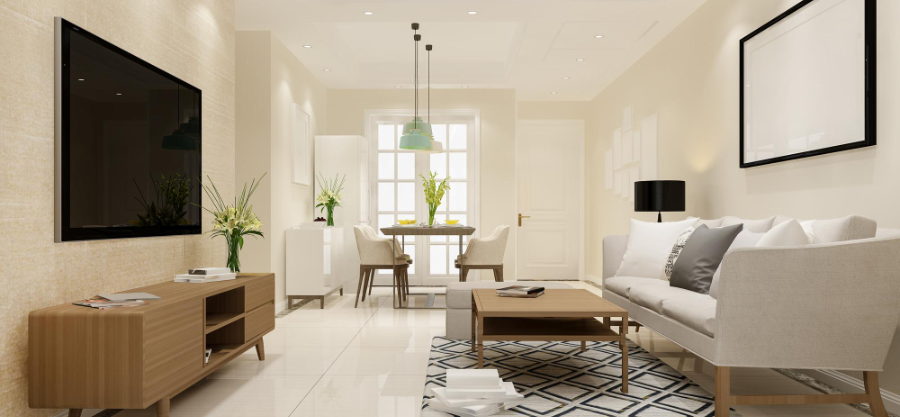
The arrangement of furniture and proper light defines together how huge a house seems. Keeping large furniture pieces against the walls and using multi-functional items such as sofa-cum-beds, foldable tables, or wall-mounted desks helps reduce compact areas, while maximizing the purpose. Using a vertical space with long shelves, hanging storage, or wall-mounted cabinets draws the eye upwards, causing high ceilings and more open rooms.
The light plays an equally important role in changing small interiors. A combination of environment, function and pronunciation light ensures that every corner is well lit and visually attractive. Recessed roof lights, floor lamps in corners, and under-cabinity lighting in kitchen or work areas are bright shady spots, while warm, soft light feels comfortable, inviting.
Strategically placed mirrors can further reflect light, increasing the feeling of openness. Thinking of thought -essential layouts, furniture selection and lighting, even the smallest houses can feel airy, organized and stylish. This approach not only improves functionality, but also enhances overall beauty, causing compact spaces to expand comfortably and visually. Smart interior planning allows homeowners to take maximum advantage of their location without compromising on design or personal style.
The Psychological Impact of Design Choices
The smart design is not only about the physical space, but also how the mind considers it. Clean lines, symmetry, and balance in design elements naturally give orders and giant imprints. Similarly, using glass division instead of solid walls allows visibility between rooms, leading to a flow that increases visually compact houses. Buses and floor patterns can also guide the eye, which makes the spaces look longer or wider depending on the desired effect.
Blending Functionality with Style
While the maximum space is significant, the style should not be sacrificed. The minimum design with a neutral palette can be pronounced with bold artwork, colorful cushion or stylish light fixtures. This balance ensures that small places also look large, reflecting the personality of the owner of the house. For those who host guests or family ceremonies, foldable or extendable dining sets are a practical yet stylish extra.
Why Professional Guidance Matters
Although many DIY hacks can help, professional designers bring expertise which ensures permanent results. For example, residential space interior designers in Gurgaon often suggest analogous solutions such as custom-made wardrobes, modular kitchens, or integrated storage units that perfectly fit the unique dimensions of the customer's house. This individual approach avoids a size-fit-all mistake and ensures maximum utility from each corner. By combining creativity with functionality, designers feel luxurious and spacious without unnecessary costs.
Conclusion
Small places no longer need to feel restrictive. With smart design options, the clever use of lighting, multicultural furniture, and focusing on fall, compact houses can be converted into stylish, functional and comfortable living areas. While the owners of the house themselves can apply many of these tips, be sure to demand professional support that every inch is used wisely and beautifully. By embracing both creativity and practicality, small spaces can really feel large, bright and more invited - telling that not about great design size but about vision.
Author's Bio: Sujain Thomas

Sujain Thomas is a freelance content writer and blogger who has written articles for several renowned blogs and websites about Home decor/Diy and various topics to engineer more traffic on websites.She love to decorate home in her free time