

This article is part of the HOGDigest editorial series. → Explore HOGDigest
Home security is no longer just about locking doors and installing a basic alarm system. As technology advances and threats evolve, homeowners are increasingly seeking smarter, more comprehensive ways to protect their property and loved ones. Whether you’re upgrading an older system or building a new one from scratch, understanding the latest strategies and tools can help you stay ahead of potential risks. This guide offers practical, forward-thinking tips for enhancing your home security beyond the basics.
Evaluate Your Current Setup
Before making any upgrades, take time to assess your existing security measures. Walk through your home and identify areas that may be vulnerable, such as poorly lit entryways, outdated locks, or windows without sensors. Consider how your current system has performed in the past. Have there been false alarms, blind spots, or connectivity issues? This evaluation will help you prioritize improvements and avoid investing in solutions that don’t address your specific needs.
Strengthen Physical Entry Points
One of the most effective ways to upgrade home security is by reinforcing physical access points. Solid-core doors, high-quality deadbolts, and window locks are essential for keeping intruders out. For sliding doors and basement windows, consider adding security bars or shatter-resistant film. Smart locks are another valuable upgrade, offering keyless entry and remote access through mobile apps. These devices can be programmed to grant temporary access to guests or service providers, adding convenience without compromising safety.
Integrate Smart Technology
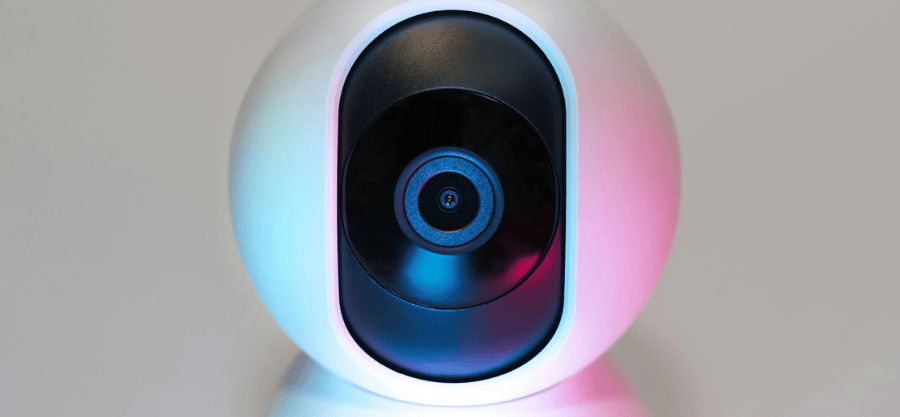
Smart home technology has revolutionized the way homeowners manage security. From motion-activated lighting to voice-controlled alarm systems, these tools offer greater control and customization. One of the most impactful upgrades is a security camera system, which allows you to monitor activity around your home in real time. Modern systems often include features like night vision, cloud storage, and AI-powered alerts that distinguish between people, animals, and vehicles. When integrated with other smart devices, such as doorbell cameras and smart locks, these systems create a cohesive network that enhances situational awareness and response time.
Improve Outdoor Visibility
A well-lit exterior is a powerful deterrent against unwanted activity. Motion-sensor lights placed near entrances, pathways, and garages can startle potential intruders and alert you to movement. Landscape lighting not only improves visibility but also adds aesthetic value to your property. Trim shrubs and trees that could provide cover for someone attempting to hide or gain access to windows. If your home has a large yard or multiple access points, consider installing perimeter sensors or driveway alarms to detect movement before someone reaches the house.
Establish Emergency Protocols
Upgrading your home security should also include planning for emergencies. Create a family safety plan that outlines what to do in case of a break-in, fire, or natural disaster. Make sure everyone knows how to use the alarm system, where to find emergency contacts, and how to exit the home safely. If your system includes professional monitoring, confirm that your contact information is up to date and that responders can access your property if needed. Regularly test alarms and review protocols with your family to ensure everyone is prepared.
Conclusion
Enhancing your home security is an investment in peace of mind. By evaluating your current setup, reinforcing entry points, integrating smart technology, improving outdoor visibility, and establishing emergency protocols, you can create a safer, more responsive environment for your family. These upgrades go beyond the basics, offering a modern approach to home protection that adapts to your lifestyle and evolving security needs.
Author bio: