

This article is part of the HOGDigest editorial series. → Explore HOGDigest
Accurate mail delivery depends on more than a street name and a digital route. The final step often comes down to what a carrier can see from the road. A clear address marker helps confirm the right property quickly, especially when homes sit close together, share similar exterior colors, or have mailboxes grouped along the same curb. When that identifying information is hard to read, delivery becomes slower and less certain.
For homeowners, improving address visibility is a small exterior upgrade with practical value every day. It helps mail carriers, package couriers, emergency responders, guests, service workers, and ride-share drivers identify the home without confusion. The goal is simple: place the address where people naturally look, make it readable from a realistic distance, and keep it visible in changing weather, light, and landscape conditions.
Why Address Recognition Matters on a Delivery Route
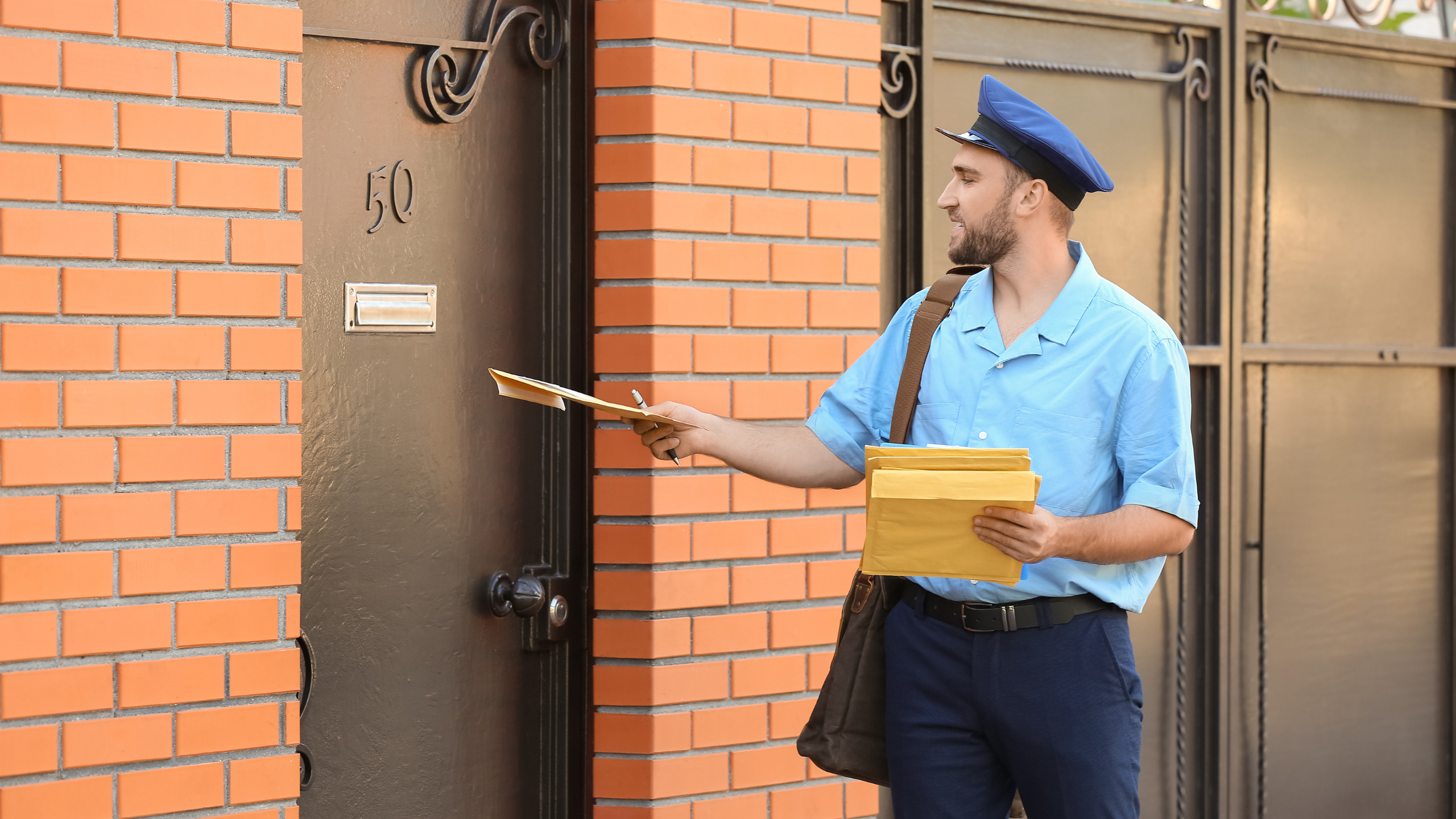
Mail carriers work through routes that require speed, accuracy, and constant visual confirmation. A missing, faded, or poorly placed number can interrupt that rhythm. The carrier may need to slow down, compare nearby houses, check the mailbox again, or look toward the home’s façade for a second clue. In busy neighborhoods, this can lead to mistakes, delays, or mail being placed at the wrong stop.
Clear address identification reduces that friction. It gives the carrier a direct visual cue before reaching the property. This is especially important when the house itself is set back from the road, partially hidden by trees, or difficult to see from a curbside delivery point. The easier the address is to confirm, the more reliably mail and packages can reach the correct destination.
Which Address Feature Helps Mail Carriers Identify a Property Quickly?
Mail carriers process hundreds of addresses during a typical route, often while navigating changing weather conditions, parked vehicles, and varying levels of street visibility. Even when a home displays house numbers, identifying the correct property can take longer if address information is not visible from the roadway. For properties with curbside mailboxes, mailbox numbers provide one of the most effective ways to improve address recognition because they place critical identifying information directly where postal carriers expect to find it.
A clearly marked mailbox creates an immediate reference point before a carrier reaches the residence itself. That visibility helps reduce uncertainty and supports faster delivery decisions. Mailbox numbers also assist package couriers, maintenance providers, ride-share drivers, and visitors who rely on visible address markers while approaching from the street.
Location plays a significant role in address recognition. A mailbox positioned near the roadway often remains visible from angles where house-mounted numbers cannot be easily seen. By displaying address information closer to traffic flow, mailbox numbers strengthen wayfinding and reduce the likelihood of missed or delayed deliveries.
The benefits extend beyond postal service efficiency. Consistent address identification improves the overall functionality of a property and contributes to a more organized exterior presentation. Readable numbering helps people confirm they have arrived at the correct destination while supporting everyday navigation needs. As part of a broader property identification strategy, a visible mailbox display enhances accuracy, convenience, and accessibility for anyone attempting to locate the home.
Place Address Information Where It Can Be Seen First
The most useful address display is the one visible at the moment someone needs to make a decision. For curbside mail delivery, that moment usually happens near the mailbox. If the numbers are only mounted near the front door, they may be too far away, too small, or hidden by the angle of approach. A mailbox number display solves this by placing the address closer to the street and closer to the carrier’s line of sight.
This principle also applies during larger exterior improvements. When homeowners plan updates, they often focus on kitchens, repairs, transport logistics, and structural changes, but the outside approach still deserves attention. A project involving home renovation planning and exterior coordination should also consider how visitors and carriers identify the property from the street. Address visibility is one of those small details that supports the home’s daily function long after bigger work is complete.
Make the Number Visible From Both Directions
A mailbox number should be easy to read from the direction a carrier approaches. In many cases, that means numbers should appear on the side facing traffic, the front of the mailbox, or both, depending on the mailbox placement and local delivery pattern. If the mailbox sits at an angle or along a curved road, homeowners should check visibility from multiple viewpoints. A number that is clear from one direction may disappear from another.
Use Contrast and Scale for Faster Reading
Address numbers need enough contrast to stand out against the mailbox surface. Light numbers on a light mailbox or dark numbers on a dark mailbox can become difficult to read, especially in rain, shade, or early evening. Strong contrast helps the eye identify the address faster. Clean character shapes are also important because highly decorative fonts can slow recognition from a moving vehicle.
Scale matters as well. Very small numbers may look neat up close but fail from the roadway. Larger, readable numbers give mail carriers and visitors a better chance of confirming the address without stopping or reversing. The display should feel proportionate to the mailbox while still serving its main purpose: quick identification.
Keep Landscaping Helpful, Not Obstructive
Landscaping around a mailbox can make the curb area more attractive, but it should never hide the address. Tall flowers, spreading shrubs, vines, ornamental grasses, and seasonal decorations can gradually cover mailbox numbers. What looks charming in spring may become a visibility problem by summer. The mailbox should remain framed, not swallowed by greenery.
Homeowners can still create a polished mailbox area by choosing plantings that stay low, leave open sightlines, and support the home’s curb appeal. Simple ideas from curb appeal improvements for the front of a home show how small exterior details can make a property feel more cared for. The same thinking applies to mailbox displays: attractive surroundings should make the address easier to notice, not harder to find.
Check Visibility After Seasonal Changes
Mailbox visibility can change throughout the year. Snow piles, fallen leaves, summer growth, holiday décor, and parked vehicles can all affect how easily numbers are seen. A quick seasonal check helps prevent delivery confusion. Homeowners should stand near the road and look at the mailbox the way a carrier would. If the number is partly hidden, difficult to read, or visually crowded, it is time to trim, clean, adjust, or relocate nearby items.
Lighting and Reflective Conditions Matter After Dark
Not all mail arrives in bright daylight, and packages may be delivered later in the day. A mailbox number display that works in sunlight may become difficult to see at dusk. If the mailbox is near the road but away from porch lighting, the address may need stronger contrast, reflective qualities, or nearby landscape lighting to remain readable.
The goal is not to flood the mailbox with harsh light. Subtle illumination can be enough if it reaches the number clearly. Homeowners should test visibility from a car or sidewalk during evening conditions. If the number disappears into shadow, the display may need a different finish, better positioning, or lighting that supports the curbside address marker.
Brand Section: A Small Detail With Route-Level Importance
Mailbox numbering is a modest exterior feature, but it plays a meaningful role in how a property is identified. It gives the mailbox a clear function beyond receiving mail: it becomes a visible address marker at the edge of the property. This is especially valuable for homes where the front door is far from the street or where house-mounted numbers are not easy to see from a delivery vehicle.
The strongest mailbox number displays are clean, durable, and easy to read. They should coordinate with the mailbox finish and the home’s broader exterior style without sacrificing visibility. When selected thoughtfully, they improve delivery accuracy, support curb appeal, and create a more organized presentation from the street. A well-marked mailbox quietly does its job every day, like a tiny traffic controller in polished shoes.
Maintain the Mailbox Area for Long-Term Accuracy
Even a well-designed mailbox number display needs basic upkeep. Dirt, fading, peeling, rust, loose hardware, and plant growth can reduce visibility over time. Cleaning the mailbox, replacing damaged numbers, trimming nearby greenery, and checking whether the display remains level can help preserve both function and appearance. These simple maintenance habits support accurate delivery throughout the year.
Homeowners should also avoid placing temporary items directly in front of the number. Trash bins, yard signs, parked bicycles, holiday decorations, and large planters can block the address at the worst possible moment. A clear area around the mailbox gives carriers the best chance of confirming the property quickly and delivering to the correct address.
Conclusion
Mail carriers deliver more accurately when address information is placed where they can see it quickly. For homes with curbside mailboxes, visible numbering provides a direct reference point at the edge of the property. It reduces uncertainty, supports faster route decisions, and helps packages, letters, and service visits reach the correct location.
A well-marked mailbox works best when the numbers are readable, high-contrast, properly scaled, maintained, and free from obstruction. Combined with thoughtful lighting, controlled landscaping, and a clean curbside area, it improves both function and curb appeal. The result is a home that communicates clearly from the street and makes daily delivery easier for everyone involved.