

This article is part of the HOGDigest editorial series. → Explore HOGDigest
DIY home improvement has grown from a weekend hobby into a practical, empowering way for homeowners to take control of their living spaces. At its core, DIY is about solving problems, enhancing comfort, and adding personal character to a home without always relying on contractors. Whether you are patching drywall, repainting a room, or installing shelves, each project builds confidence and practical knowledge. Beyond the satisfaction of completing a task yourself, DIY improvements can significantly reduce costs and help you understand how your home actually works. When you know what’s behind your walls or under your floors, you’re better prepared to maintain and upgrade your property over time. DIY also encourages creativity, allowing homeowners to tailor solutions to their specific needs instead of settling for generic fixes. With the right mindset, even small projects can make a big difference in functionality, aesthetics, and long-term value.
Planning Before You Pick Up a Tool
Successful DIY projects begin long before the first nail is hammered. Planning is the most overlooked yet most critical phase of home improvement. This includes clearly defining your goal, measuring accurately, setting a realistic budget, and understanding the level of skill required. Many DIY frustrations come from rushing into a project without fully thinking through the steps involved. Research is key: watch tutorials, read guides, and understand local building codes where applicable. Breaking a project into manageable stages helps prevent overwhelm and allows you to spot potential challenges early. Planning also involves deciding when a project is truly DIY-friendly and when professional help might be necessary, such as with complex electrical or structural work. A well-planned project saves time, money, and stress, and it greatly increases the chances of achieving a result you’ll be proud of.
Essential Tools for Every DIY Enthusiast
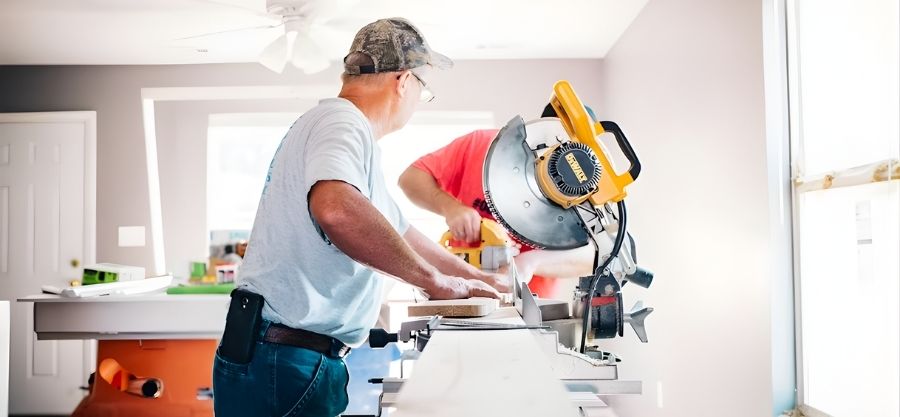
Having the right tools can turn a frustrating job into a smooth, enjoyable experience. While you don’t need a fully stocked workshop to get started, there are a few essentials every DIY homeowner should have. A reliable tape measure, hammer, screwdrivers, level, drill, and safety gear form the foundation of most projects. Among smaller, versatile tools, a pocket knife deserves special mention. In a DIY context, a reliable pocket knife is not a substitute for specialized tools, but it is incredibly useful for tasks like opening packages, trimming materials, scoring drywall, or cutting insulation and tape. Its compact size makes it convenient to carry, especially during quick fixes or when moving around a project site. When used responsibly and safely, a pocket knife becomes a practical extension of your toolkit, highlighting how even simple tools can have multiple applications in home improvement.
Learning Skills One Project at a Time
DIY home improvement is a journey of gradual skill-building rather than an all-at-once transformation. Starting with small, low-risk projects allows you to learn fundamental techniques without high stakes. Painting a room, replacing cabinet hardware, or installing floating shelves teaches skills like surface preparation, measuring, leveling, and fastening. Each completed project builds a foundation for more advanced work, such as tiling, basic carpentry, or minor plumbing repairs. Mistakes are part of the learning process, and they often provide the most valuable lessons. The key is to approach each project with patience and curiosity rather than perfectionism. Over time, you’ll develop problem-solving instincts and a better understanding of materials and methods. This gradual approach makes DIY sustainable and enjoyable, turning home improvement into a long-term skill rather than a one-time challenge.
Safety, Time Management, and Knowing Your Limits
Safety should always be a top priority in DIY home improvement. Wearing protective equipment, keeping tools in good condition, and maintaining a clean workspace reduce the risk of injury. Equally important is managing your time realistically. Many DIY projects take longer than expected, especially for beginners. Building in extra time helps avoid rushed decisions and sloppy work. Knowing your limits is also part of being a responsible DIYer. While learning is encouraged, some tasks - such as major electrical rewiring or structural modifications - carry risks that outweigh the benefits of doing them yourself. Recognizing when to pause, seek advice, or hire a professional is a sign of wisdom, not failure. A safe and well-paced approach ensures that DIY remains rewarding rather than stressful or dangerous.
Turning DIY into a Lifestyle, Not Just a Task
DIY home improvement is more than a way to fix things; it can become a mindset that shapes how you interact with your home. When you embrace DIY as a lifestyle, you start seeing problems as opportunities to learn and improve. You become more attentive to maintenance, more creative with solutions, and more invested in your living space. Over time, your home evolves into a reflection of your skills, preferences, and effort. This sense of ownership fosters pride and confidence that extends beyond home improvement into other areas of life. By planning carefully, utilizing the right tools, learning progressively, and respecting safety and limitations, DIY can become a sustainable and fulfilling practice.
Ultimately, the complete guide to DIY home improvement is not just about techniques—it’s about developing the confidence to shape your home with your own hands.
Author's Bio: Sujain Thomas

Sujain Thomas is a freelance content writer and blogger who has written articles for several renowned blogs and websites about Home decor/Diy and various topics to engineer more traffic on websites.She love to decorate home in her free time