

This article is part of the HOGDigest editorial series. → Explore HOGDigest
Home renovation used to mean one thing: tear it out, throw it away, start over. These days, more homeowners ask a different question before they pick up a hammer: how do I do this without wasting materials, money, or the planet's patience? A sustainable home renovation isn't about giving up style or comfort. It's about being more intentional about what you keep, what you replace, and who you bring in to help. Read more about outdoor furniture.
Whether you're refreshing one room or planning a full eco-friendly renovation, here's how to approach it in a way that's kinder to your budget and your environment.
Start With What You Already Have
The greenest renovation is often the one that reuses what's already in the room. Before you gut a kitchen or replace every piece of furniture, take stock of what you can restore instead of replace. A tired dining table might just need refinishing. Cabinet doors can often be repainted rather than ripped out. This single habit — repair before replace — is the foundation of any genuinely sustainable renovation, and it usually saves you the most money too.
Choose Materials That Are Built to Last
When something does need replacing, material choice matters more than most people realize. Look for solid wood over particleboard, water-based finishes over solvent-heavy ones, and natural fibers like wool, cork, or bamboo where you'd normally reach for synthetics. These materials tend to age better, off-gas less into your indoor air, and hold their value longer — which means less waste down the line. It's a small habit shift that pays off for years.
Furnish With Purpose, Not Just Style
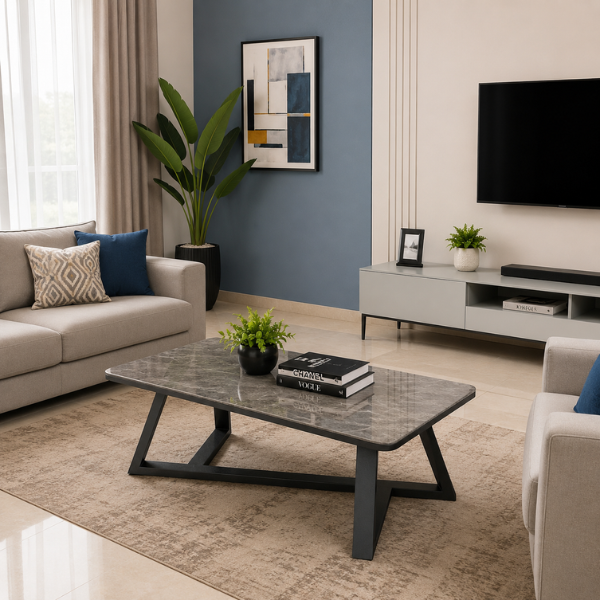
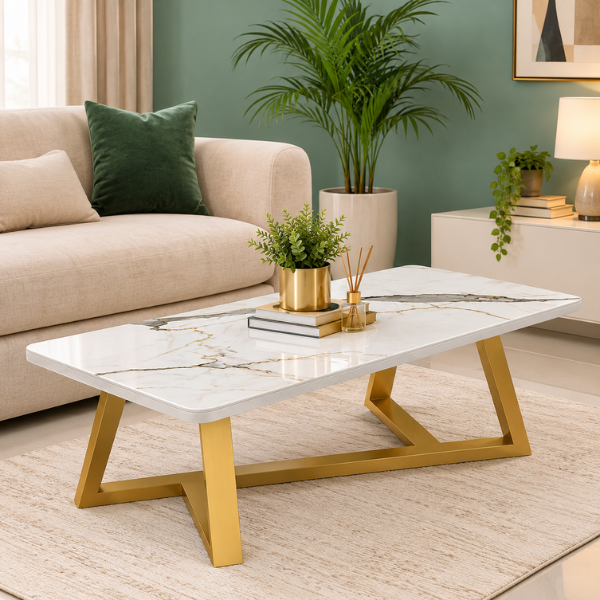
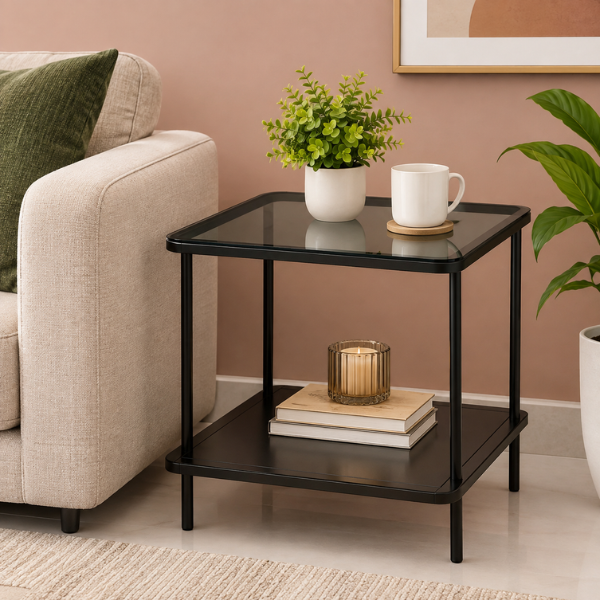
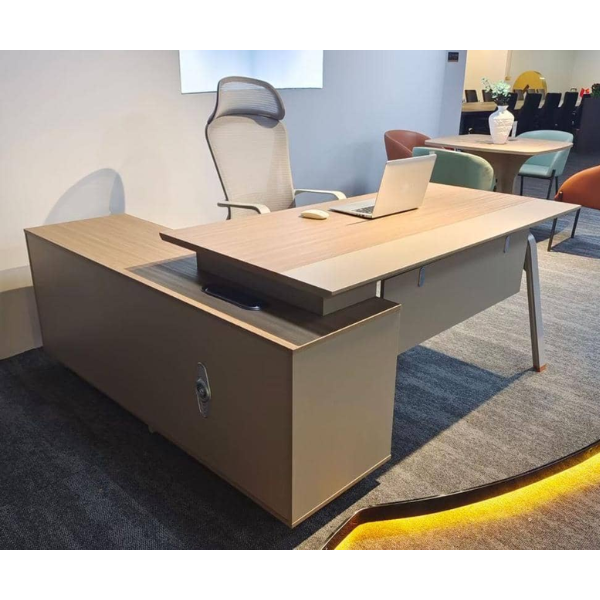
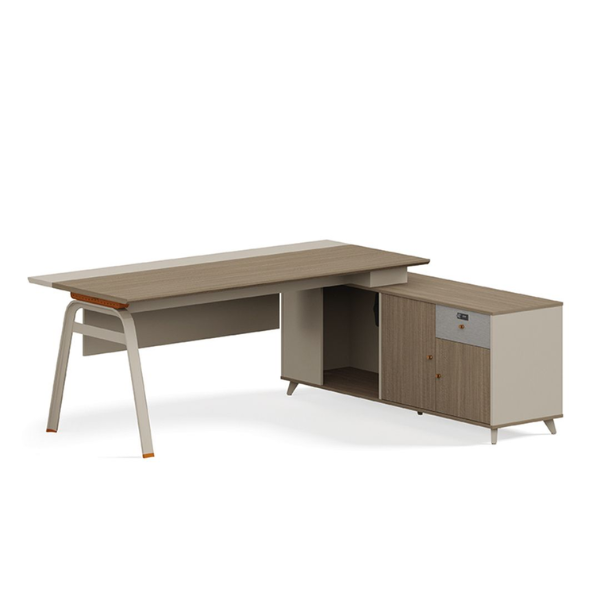
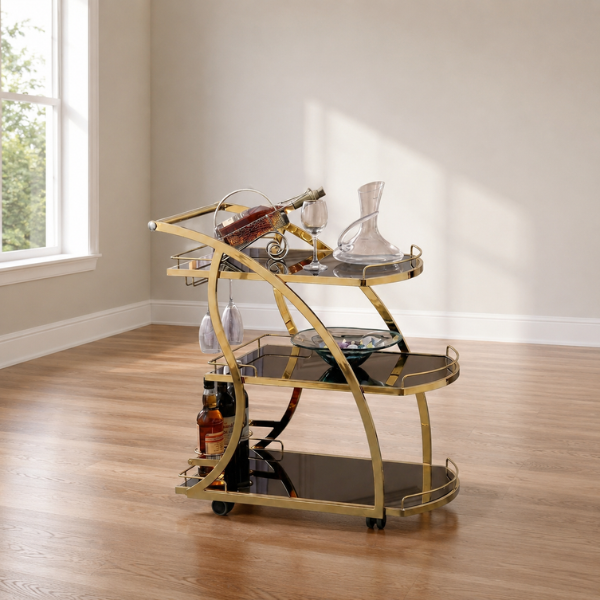
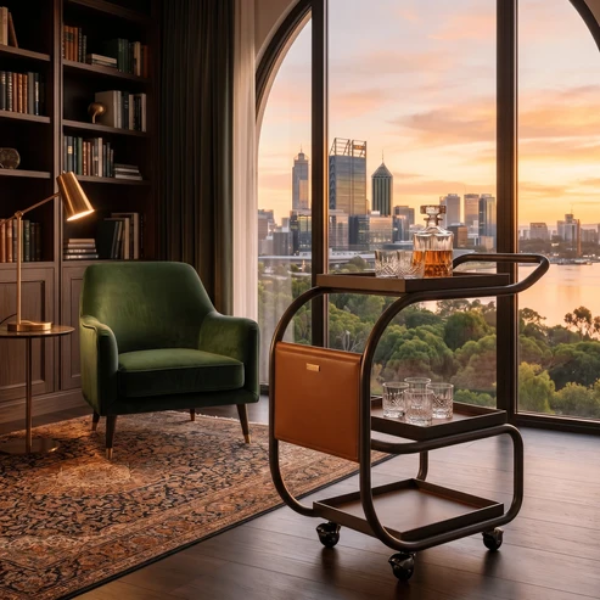
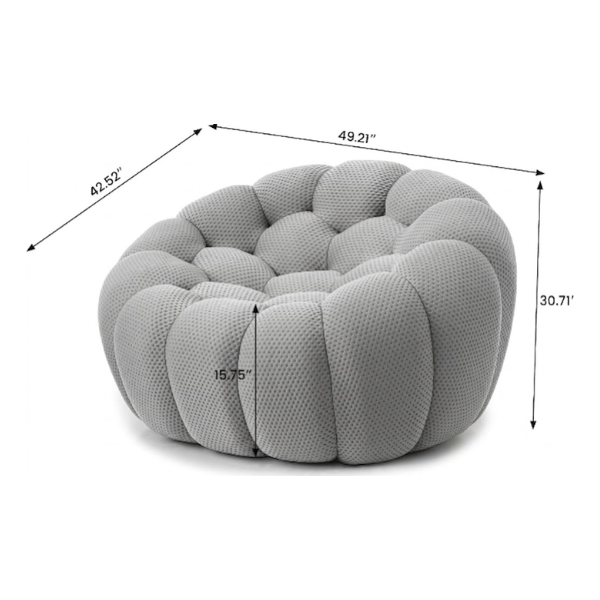
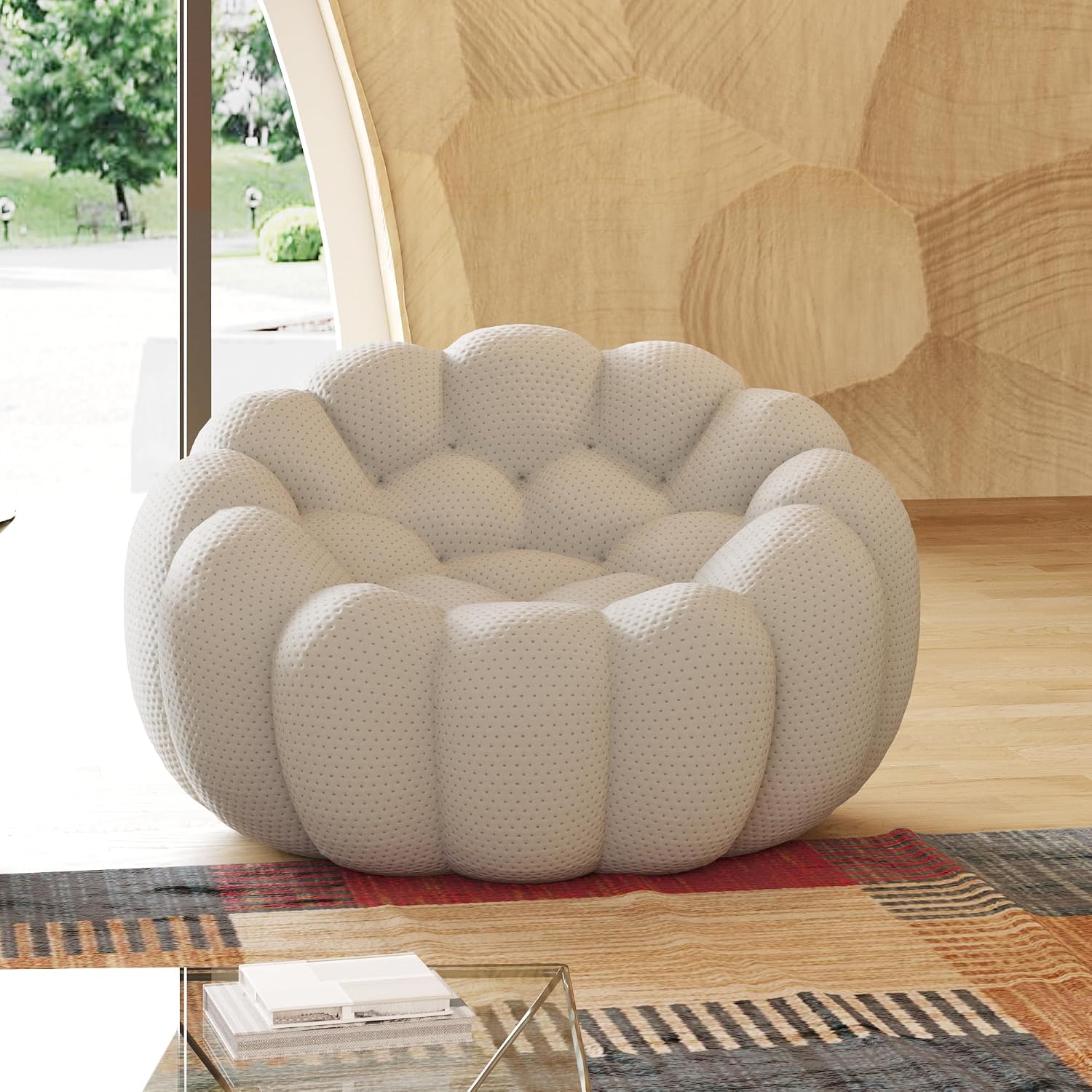
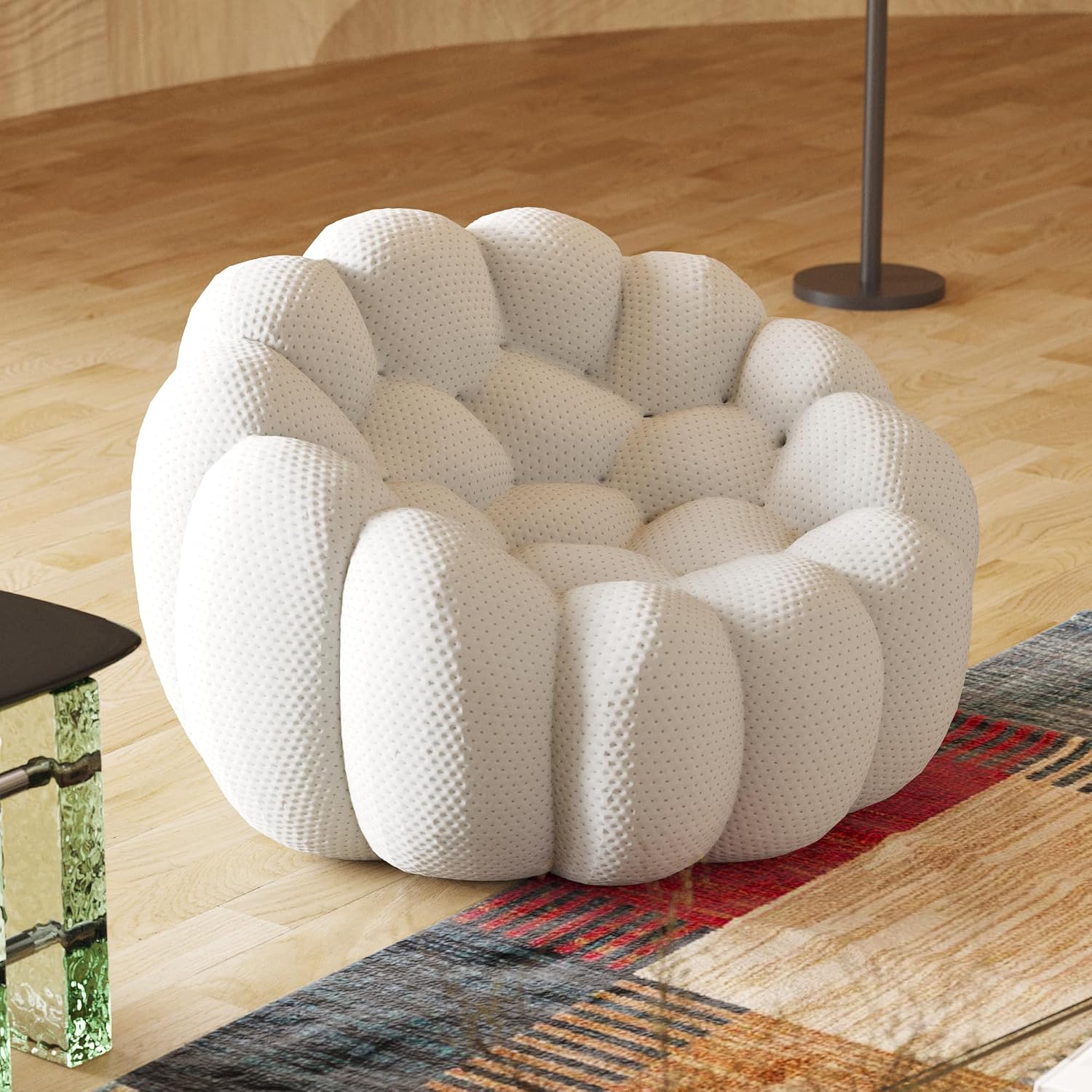
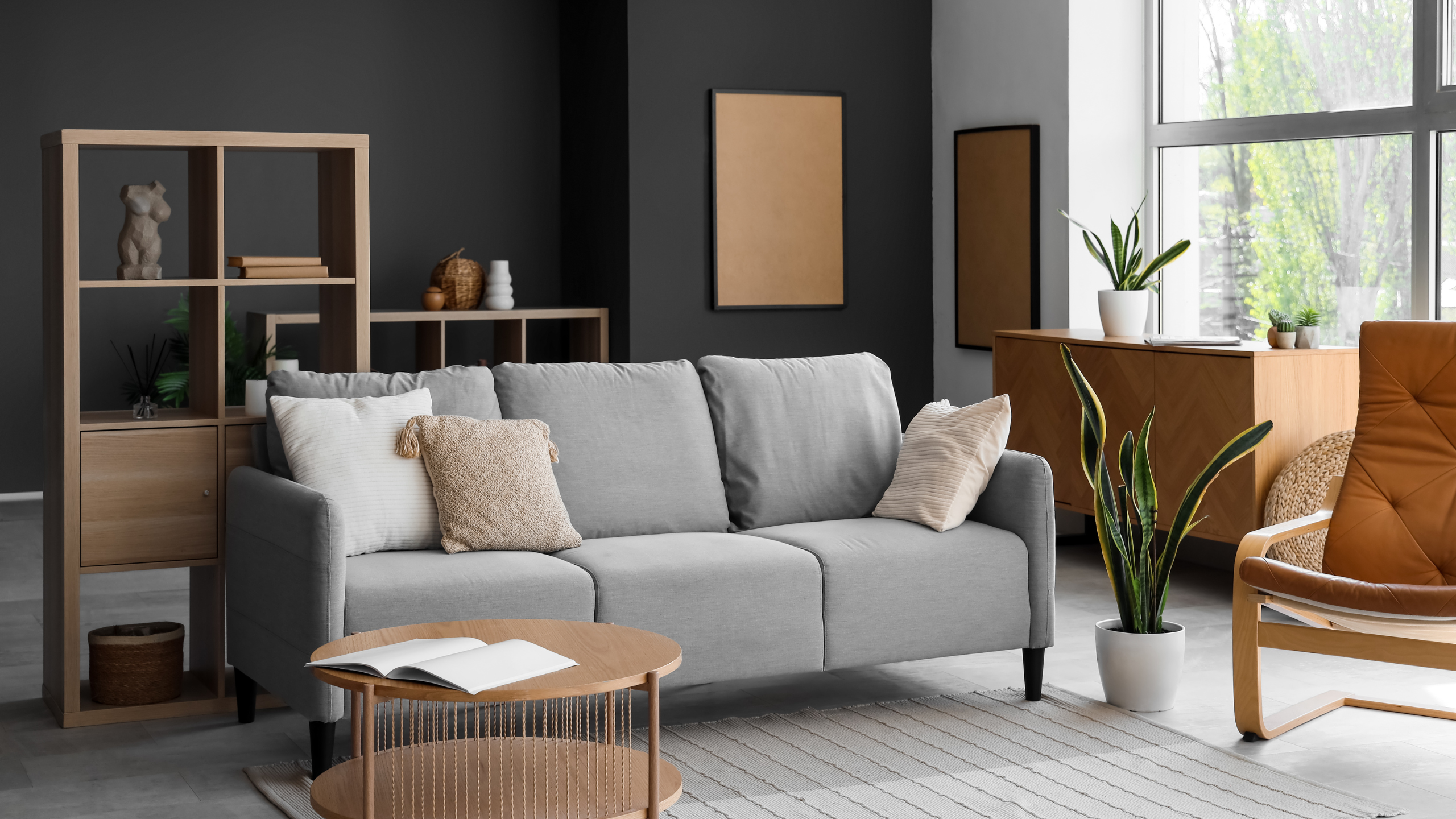
Furniture is one of the easiest places to make a renovation more sustainable, because it's also where quality is easiest to feel. Well-built pieces in durable materials outlast trend cycles and cheap flat-pack alternatives, so you won't replace them again in two years. Multi-functional furniture — a storage ottoman, a sofa bed, a bench with a hidden compartment — also means you need fewer individual pieces to furnish a space well, which is its own kind of sustainability. When you're shopping, prioritize pieces designed to last over ones meant to be disposable.
Bring in the Right Professionals
Some renovation work genuinely calls for a specialist — insulation upgrades, energy-efficient windows, low-VOC paint jobs, or a full green remodel. The trick is finding contractors who know sustainable building practices, not general renovators who treat "eco-friendly" as an afterthought. If you're not sure where to start, directories like EcoHubMap's list of eco-renovation companies can help you find vetted, sustainability-focused renovation firms in your area, complete with credentials and past work you can review before reaching out. Working with a team that specializes in green renovation from the start saves you from undoing shortcuts later.
Don't Overlook Energy and Water
A renovation is also the easiest time to fix the things you can't see. Swapping in LED lighting, sealing drafts, upgrading insulation, and installing low-flow fixtures are unglamorous but high-impact changes — they lower your utility bills every month for the life of the home, not just on move-in day. If you're already opening up walls or replacing flooring, it costs very little extra to handle these upgrades at the same time.
Let Small Details Do Heavy Lifting
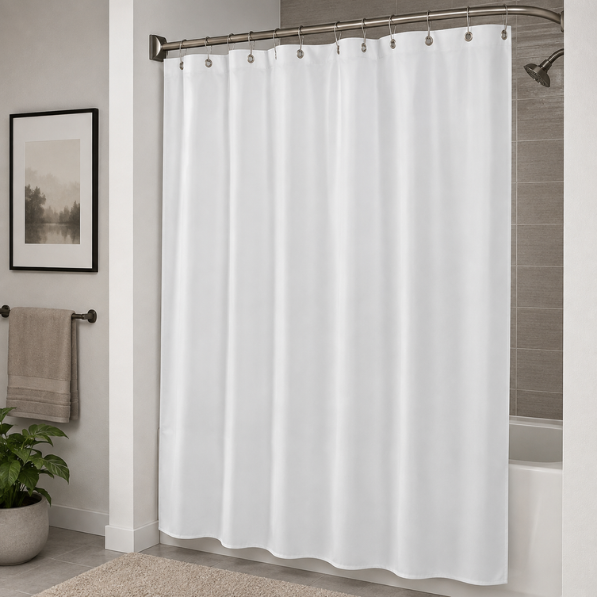
Not every sustainable choice needs to be a major renovation line item. Houseplants improve indoor air quality and instantly soften a room. Natural wallpaper and water-based paints reduce the chemicals released into your home. Even something as simple as choosing rugs and textiles made from natural, biodegradable fibers adds up over a room's life. Swapping synthetic curtains for linen or organic cotton, or choosing ceramic and glass storage over plastic, are small changes that cost little but shift a space's overall footprint. These decisions make a room feel considered, not just decorated.
Common Mistakes to Avoid
A few habits quietly undercut an otherwise sustainable renovation. Buying furniture or materials in a rush, without checking construction quality, often means an early replacement that erases any environmental benefit. Skipping ventilation and insulation upgrades because they're "invisible" leaves ongoing energy waste baked into the walls. And working with a contractor who isn't genuinely familiar with sustainable materials can mean paying a premium for green materials installed with none of the expected benefits — poor sealing, wrong finishes, or wasted offcuts. Slowing down at the planning stage is the easiest way to avoid all three.
Let Small Details Do Heavy Lifting
Not every sustainable choice needs to be a major renovation line item. Houseplants improve indoor air quality and instantly soften a room. Natural wallpaper and water-based paints reduce the chemicals released into your home. Even something as simple as choosing rugs and textiles made from natural, biodegradable fibers adds up over a room's life. Swapping synthetic curtains for linen or organic cotton, or choosing ceramic and glass storage over plastic, are small changes that cost little but shift a space's overall footprint. These decisions make a room feel considered, not just decorated.
Common Mistakes to Avoid
A few habits quietly undercut an otherwise sustainable renovation. Buying furniture or materials in a rush, without checking construction quality, often means an early replacement that erases any environmental benefit. Skipping ventilation and insulation upgrades because they're "invisible" leaves ongoing energy waste baked into the walls. And working with a contractor who isn't genuinely familiar with sustainable materials can mean paying a premium for green materials installed with none of the expected benefits — poor sealing, wrong finishes, or wasted offcuts. Slowing down at the planning stage is the easiest way to avoid all three.
The Bottom Line
A sustainable home renovation doesn't require a bigger budget or a total overhaul — it just asks you to slow down at a few key decision points: what to keep, what materials to choose, which furniture earns a spot in your home, and who you trust with the work. Get those right, and you end up with a space that's better for your household, easier on your utility bills, and easier on the planet, without sacrificing the style you were after in the first place.