

This article is part of the HOGDigest editorial series. → Explore HOGDigest
Designing luxury jewelry store displays requires a focus on functionality, security, and brand consistency, avoiding excessive aesthetic embellishments. The core goal is to showcase jewelry clearly, guide customer flow, and highlight product value while maintaining a high-end and professional atmosphere. Every design element should serve practical needs first, and then reflect the luxury positioning of the store.
1. Plan a Rational Store Layout
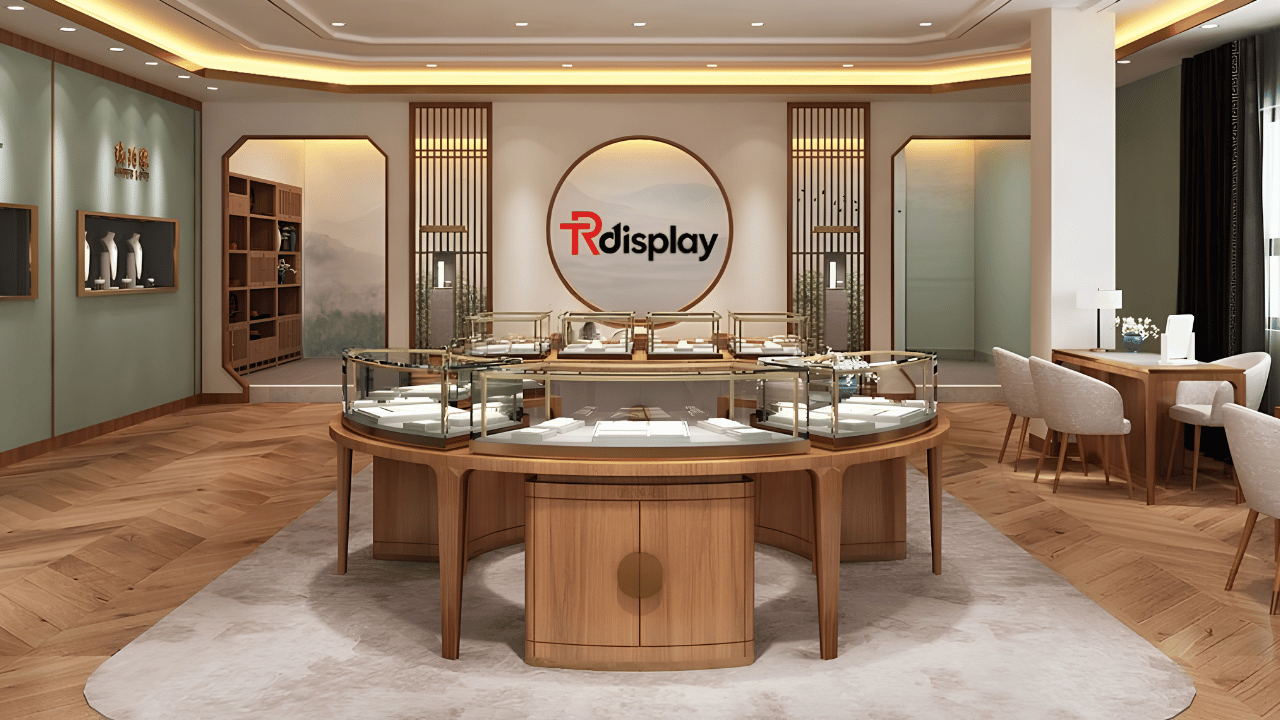
A scientific layout is the foundation of luxury jewelry store design. It should divide functional areas clearly, including display zones, consultation areas, and storage spaces, to ensure smooth customer movement without congestion. Key display areas should be set in the line of sight of customers entering the store, while private consultation areas need to be relatively independent to protect customer privacy.
Avoid overcrowding displays to prevent a messy look. Reserve enough walking space to let customers browse freely. Rtdisplay, a professional store fixtures designer and manufacturer, can customize bar counters and display furniture that fits the layout, ensuring the coordination of space and functionality for high-end jewelry shops and trade centers. A well-planned layout also makes it easier for staff to manage customer service and monitor valuable products. Strategic placement of counters, showcases, and seating areas can create a balanced environment where customers feel comfortable while staff can work efficiently.
2. Select High-Quality Display Materials
Material selection directly affects the texture and durability of displays, which is crucial for luxury positioning. Prioritize wear-resistant, easy-to-clean, and high-grade materials such as stainless steel, tempered glass, solid wood, and high-quality velvet. These materials not only enhance the overall grade but also ensure long-term use without deformation or damage.
Match materials reasonably according to jewelry types. For example, velvet trays can highlight the luster of gemstones, while metal frames add a sense of precision. Rtdisplay customizes store displays with strict material selection, meeting the high standards of high-end jewelry stores for display durability and texture. The right combination of materials can also reinforce the visual identity of a jewelry brand. Consistent finishes, textures, and colors across display cabinets and furniture create a cohesive appearance that helps customers recognize the brand and associate it with quality and reliability.
3. Design Targeted Display Fixtures
Display fixtures should be designed based on the characteristics of jewelry to maximize product display effect. Ring displays, necklace stands, and earring trays need to be designed separately to fit the shape of different jewelry, avoiding slipping or damage. The height and angle of fixtures should conform to the viewing habits of customers, making it easy for them to observe details.
Customized fixtures can better highlight brand characteristics. Rtdisplay specializes in custom design of bar counters and store displays, tailoring exclusive fixtures for high-end jewelry shops to meet personalized display needs while ensuring the stability and safety of each piece of jewelry. Well-designed fixtures should also allow jewelry to remain the center of attention rather than competing with the products. Adjustable and modular display components can provide additional flexibility, allowing stores to change product arrangements for seasonal collections, promotions, or new arrivals.
4. Configure Professional Lighting Systems
Lighting is a key factor in highlighting jewelry value, but it should be practical and avoid excessive decoration. Choose high-color-rendering LED lights to restore the true color of gemstones and metals, and avoid glare that affects customer experience. Focus lighting on key jewelry to create a clear visual focus.
Control the brightness and temperature of lights reasonably to create a comfortable viewing environment. Avoid over-lighting that causes visual fatigue. Professional lighting design can cooperate with display fixtures to make jewelry more attractive, and Rtdisplay can integrate lighting design into customized display furniture to achieve a coordinated effect. Lighting should also be carefully coordinated throughout different areas of the store. Ambient lighting can provide overall visibility, while accent lighting can draw attention to premium collections and individual pieces. This layered approach creates visual hierarchy without making the environment excessively bright.
5. Strengthen Security and Maintenance Design
Luxury jewelry stores have high requirements for security, and display design must take security as a core premise. Install anti-theft locks, tempered glass, and monitoring equipment on display cabinets to ensure the safety of jewelry. The structure of fixtures should be firm to prevent accidental collision and damage.
Consider the convenience of daily maintenance in design. Display surfaces should be easy to clean, and fixtures should be convenient for staff to organize and take jewelry. Rtdisplay’s customized store displays and furniture fully consider security and maintenance needs, providing reliable solutions for high-end jewelry shops and trade centers.
In conclusion, luxury jewelry store display design focuses on the balance of functionality, security, and brand positioning. A rational layout, high-quality materials, customized fixtures, professional lighting, and perfect security design are indispensable elements. Cooperating with professional designers and manufacturers like Rtdisplay can help create practical and high-end display spaces, enhancing the overall competitiveness of the store. Security features should be integrated into the display furniture without compromising its appearance. Hidden locking mechanisms, reinforced structures, and carefully positioned surveillance equipment can provide protection while maintaining the clean and sophisticated appearance expected in a luxury jewelry environment.
Conclusion
A successful luxury jewelry store display is more than an attractive arrangement of showcases and furniture. It should create a secure, comfortable, and organized environment that allows every piece of jewelry to receive the attention it deserves. From efficient space planning and premium materials to customized fixtures, professional lighting, and integrated security, every element should support both customer experience and operational efficiency. Working with an experienced display designer and manufacturer such as Rtdisplay can help jewelry retailers develop customized solutions that balance aesthetics, functionality, durability, and brand identity.
FAQs
1. What are the most important elements of a luxury jewelry store display?
The key elements include a rational store layout, high-quality materials, customized display fixtures, professional lighting, and effective security features. Together, these elements create an attractive and functional environment while protecting valuable jewelry.
2. Why is lighting important in jewelry store displays?
Proper lighting enhances the brilliance, color, and details of jewelry. High-color-rendering LED lighting can accurately present gemstones and metals, while strategically positioned accent lights can draw attention to premium or featured pieces.
3. What materials are suitable for luxury jewelry display furniture?
Common choices include tempered glass, stainless steel, solid wood, and high-quality velvet. These materials offer durability, easy maintenance, and a premium appearance while providing suitable surfaces for displaying different types of jewelry.
4. Why should jewelry displays be customized?
Customized displays can be designed according to the store's available space, brand identity, product categories, and security requirements. They also allow different jewelry types, such as rings, necklaces, bracelets, and earrings, to be presented using appropriate fixtures.
5. How can jewelry stores improve display security?
Stores can incorporate tempered or laminated glass, reliable locking systems, reinforced display structures, surveillance cameras, and controlled-access storage. Security features should be integrated into the furniture design so they provide protection without negatively affecting the store's luxury appearance.