

This article is part of the HOGDigest editorial series. → Explore HOGDigest
As remote work continues to redefine the professional landscape, the importance of a well-designed home workspace has never been greater. Whether you're working in tech, finance, education, or creative industries, your environment plays a critical role in how effectively you perform. A thoughtfully arranged home office can enhance focus, reduce stress, and support long-term productivity. But designing a space that works for you requires more than just a desk and a chair, it calls for intention, personalization, and a clear understanding of your work habits.
Prioritize Ergonomics and Comfort
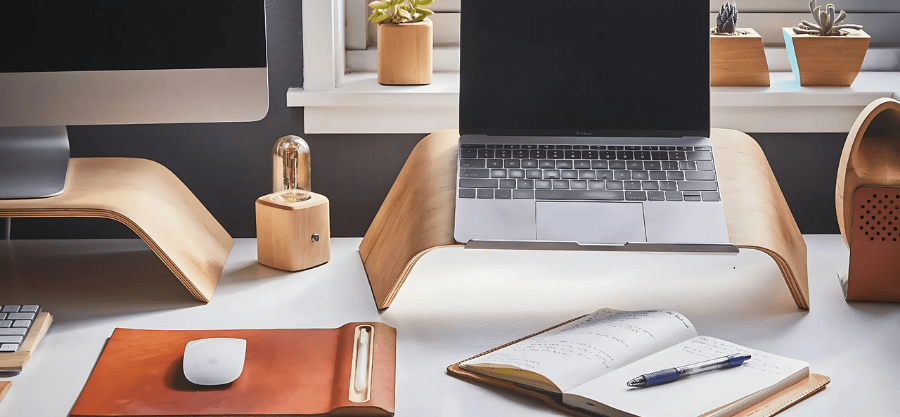
The foundation of any productive workspace is physical comfort. Ergonomics should be at the top of your list when setting up a home office. A supportive chair, a desk at the correct height, and a monitor positioned at eye level can prevent strain and fatigue. Investing in these basics helps you maintain good posture and avoid the physical discomfort that can distract from your work.
Lighting also plays a major role in comfort and productivity. Natural light is ideal, as it boosts mood and energy levels. If your space lacks windows, opt for full-spectrum bulbs that mimic daylight. Adjustable task lighting can help reduce eye strain during long hours at the computer.
Minimize Distractions and Maximize Focus
Remote work offers flexibility, but it also comes with the challenge of managing distractions. Designing a workspace that minimizes interruptions is essential. Choose a quiet area of your home, ideally one with a door you can close. If that’s not possible, noise-canceling headphones or a white noise machine can help create a sense of separation from household activity.
Keep your workspace clutter-free. A clean, organized environment supports mental clarity and reduces the temptation to multitask. Use storage solutions like shelves, drawers, or desktop organizers to keep essential items within reach but out of sight. Visual simplicity can help you stay focused on the task at hand.
Personalize for Motivation and Well-being
Your home office should reflect your personality and inspire you to do your best work. Personal touches like artwork, plants, or meaningful objects can make the space feel inviting and energizing. Greenery, in particular, has been shown to reduce stress and improve concentration.
Consider incorporating elements that support mental well-being. A small meditation cushion, a journal, or a calming scent like lavender can serve as gentle reminders to take breaks and reset. These additions help reinforce healthy habits that sustain productivity over time.
Integrate Technology Thoughtfully
Technology is the backbone of remote work, and your home office should be equipped to support seamless communication and efficient workflows. Reliable internet is non-negotiable, especially for roles that require real-time data access or virtual collaboration. A second monitor can dramatically improve multitasking and reduce the need to switch between windows.
For professionals in high-performance roles, such as those using platforms like Maven Trading, having the right tech setup is essential. Fast processors, secure connections, and intuitive interfaces allow for quick decision-making and uninterrupted focus. In these environments, even small delays can have significant consequences, so investing in quality equipment is a smart move.
Create Boundaries Between Work and Life
One of the biggest challenges of remote work is maintaining a clear boundary between professional and personal life. Your workspace should help reinforce that separation. If possible, designate a specific room or corner exclusively for work. Avoid working from your bed or couch, as this can blur the lines and make it harder to mentally disconnect at the end of the day.
Establishing a routine also helps. Start your day with a consistent ritual, such as making coffee or reviewing your schedule. End it with a shutdown process, like closing your laptop and tidying your desk. These cues signal to your brain that work time is over, allowing you to transition more smoothly into personal time.
Conclusion
Designing a home remote workspace that boosts productivity is about creating an environment that supports your physical comfort, mental clarity, and professional goals. By prioritizing ergonomics, minimizing distractions, integrating technology, and setting clear boundaries, you can build a space that helps you thrive. As remote work continues to evolve, the ability to shape your own workspace is a powerful tool for staying focused, balanced, and successful.
Author bio: