

This article is part of the HOGDigest editorial series. → Explore HOGDigest
Global online furniture and home décor sales are projected to reach $280.8 billion in 2026, and multiple independent studies confirm a roughly 30 percent conversion lift when lifestyle context images accompany a listing rather than a plain product shot alone. Higgsfield’s AI Image Generator is becoming part of how furniture and décor sellers produce that kind of listing photo without a professional shoot for every piece and every variant.
Why Does Listing Photo Quality Matter So Much for Furniture Sold Online?
Furniture is one of the hardest product categories to sell without letting a buyer physically touch it first, which puts enormous weight on the photos doing that convincing work instead. A buyer scrolling a marketplace decides within seconds whether a listing looks trustworthy and worth a closer look, and for furniture specifically, that first impression often determines whether they click through at all.
This weight on the photo itself is genuinely higher for furniture than for many other product categories. A buyer purchasing a phone case or a book has relatively low stakes riding on getting it wrong, but furniture is expensive, bulky, and often difficult or costly to return once delivered. That combination means a buyer scrutinizes the listing photos more carefully than they would for a lower-stakes purchase, looking for exactly the kind of detail and context that tells them what they're actually getting before they commit to a purchase they can't easily undo.
What Makes Furniture Photography Specifically More Complicated Than Other Product Categories?
A single sofa or dining set can come in a dozen fabric options, several finishes, and multiple configurations, each of which technically needs its own listing photo. Reshooting every time a fabric changes or a handle placement gets updated adds real friction, and most independent sellers simply don't have the time or budget to reshoot an entire variant range every time their inventory shifts even slightly.
This complexity compounds quickly across a genuinely active catalog. A seller offering just five furniture styles, each in six fabric options and two size configurations, is technically looking at sixty distinct product combinations, and photographing every single one properly the traditional way would consume far more time and budget than most independent sellers have available for what's ultimately just one part of running the business day to day.
Why Does Lifestyle Context Matter More Than a Plain Product Shot?
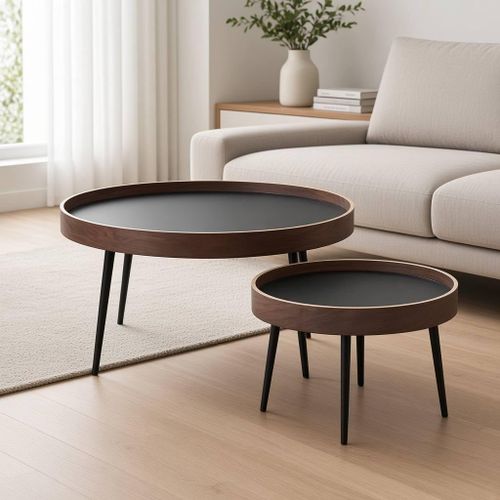
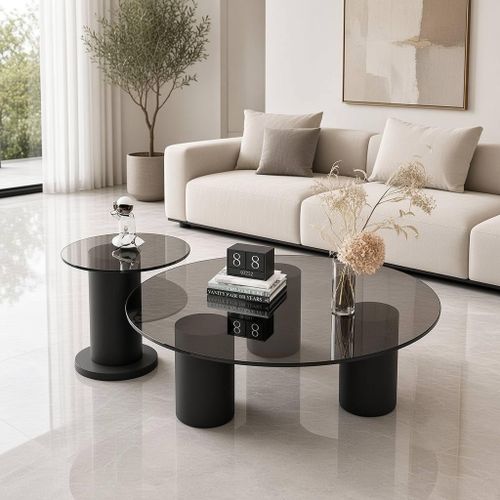
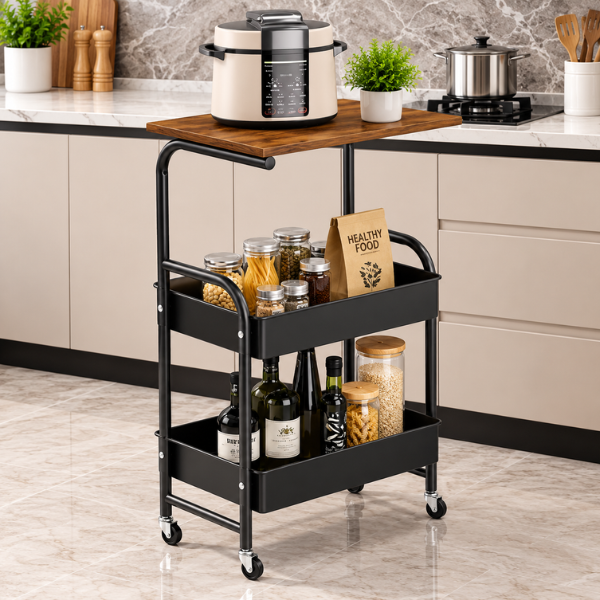
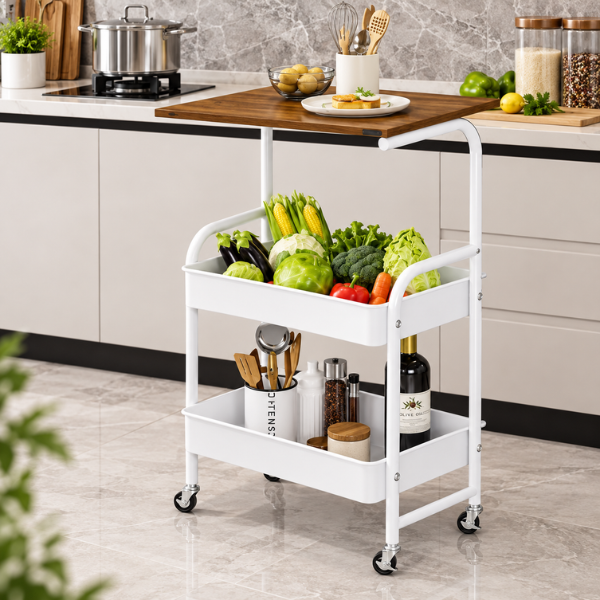
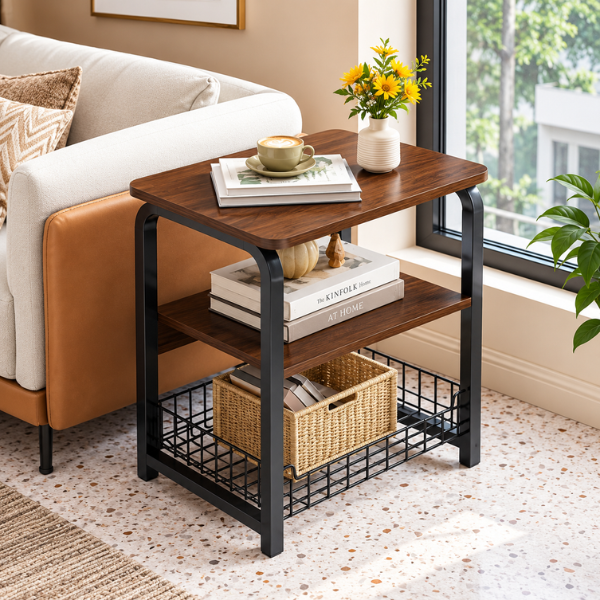
Buyers use lifestyle imagery, a sofa placed in an actual living room setting, a dining table with the right scale references nearby, to judge size, fit, and aesthetic before committing to a purchase they can't easily return without real hassle and often significant shipping cost. Marketplace white-background cutouts work fine for a basic listing thumbnail, but relying on those alone as a seller's primary presentation leaves real conversion on the table compared to sellers who show their furniture in a genuine, believable setting.
This matters especially for buyers trying to judge scale, one of the hardest things to assess from a photo alone. A plain, isolated product shot gives almost no sense of how large a piece actually is relative to a real room, while a lifestyle photo showing the same piece next to a doorway or alongside other recognizable furniture gives a buyer something concrete to reason from. That difference in confidence is exactly what tends to separate a listing that converts from one that gets scrolled past.
What Happens When a Seller's Listing Photos Don't Keep Pace With Their Actual Inventory?
This is a real, common problem for independent sellers on a marketplace. A seller might have several new fabric colors or a slightly updated design in stock, but the listing photos still show the older version because nobody had time to reshoot. Buyers browsing a marketplace move quickly between similar listings, and a seller whose photos look thin, outdated, or inconsistent compared to a competitor's fresher listing simply loses that comparison without ever getting a chance to make their case on price or quality.
This gap between actual inventory and listed photos tends to grow worse the more successful a seller becomes, not better. A seller expanding their range with new colors and styles to meet growing demand is exactly the seller least likely to have spare time for a full reshoot, which means the businesses doing the best often end up with the most outdated, mismatched listings unless they find a faster way to keep photos current across the whole growing catalog.
What Are the Traditional Options for Producing Furniture Listing Photos?
Hiring a professional product photographer remains the strongest traditional option, and sellers with the budget for this produce genuinely excellent, conversion-driving listing photos. Taking photos yourself with a phone is the more common, faster alternative for smaller and independent sellers, though it rarely matches the lighting, framing, and lifestyle context that actually drives the conversion lift buyers respond to on a crowded marketplace page.
Where Does Manual Photography Fall Short for a Seller With Many Variants?
The constraint is volume, not photographic skill. A seller managing a genuinely large catalog across multiple fabric options, finishes, and configurations faces a real production bottleneck if every single variant needs its own dedicated photo shoot. The sellers most likely to fall behind on this are exactly the smaller, independent dealers a marketplace like HOG Furniture is built to support, since they rarely have spare budget for a dedicated photography team.
| Professional photographer | DIY phone photos | AI Image Generator | |
| Cost | A real per-shoot fee | Free, but time-consuming | Included in one subscription |
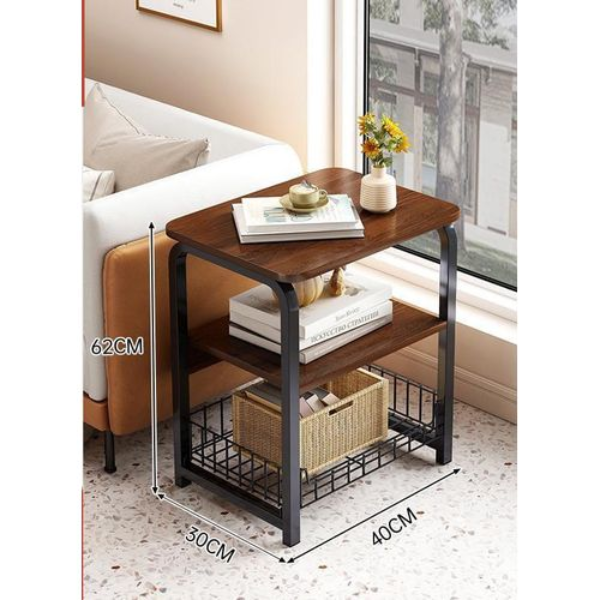
| Lifestyle context and staging | High, if properly done | Limited, often just the bare product | High, built from your real photos |
| Turnaround for variant updates | Slow, requires rebooking | Immediate, but often inconsistent | Minutes |
| Best suited for | A flagship product launch | An occasional, low-volume listing | Regular catalog updates across many variants |
How Does an AI Image Generator Fit Into a Furniture Seller's Listing Workflow?
Higgsfield gives a seller access to more than 15 leading image models, including Nano Banana Pro, GPT Image, Seedream, and FLUX, from a single workspace, letting them take a real photo of their actual furniture piece and improve lighting, add lifestyle context, and clean up framing quickly, without a photographer booking every time a new variant or color option comes into stock. Read more about Best Furniture for Small Nigerian Apartments.
This matters most for exactly the scenario described earlier, a seller whose inventory changes faster than their photo budget allows. Being able to bring a quickly taken phone photo of a genuinely new fabric option up to a properly presentable, lifestyle-context standard within minutes means a listing can actually stay current with what's really available, rather than showing outdated photos that no longer match the seller's actual stock and quietly costing sales to a competitor whose catalog looks fresher.
How Do You Keep AI-Enhanced Listing Photos From Misrepresenting the Actual Product?
This is the single most important point in this entire article. A listing photo has to represent the real furniture piece a buyer will actually receive, its real fabric, real color, real dimensions, and real construction. Improving lighting, adding believable lifestyle context, and cleaning up a genuine photo of your own product is honest, effective marketing. Using AI to generate a fabric color, finish, or configuration that isn't actually available in your real inventory is not, and it risks exactly the kind of order mismatch that leads to returns, disputes, and lasting damage to a seller's reputation on the marketplace, well beyond the cost of that single lost sale.
What Can a Seller Actually Produce Beyond a Single Listing Photo?
Beyond one improved photo, the same real product photography can be adapted into a full set of listing images, a lifestyle context shot, a detail close-up, an alternate angle, all built from real photos of the actual piece rather than a single thin image and nothing else. Sellers who take this seriously tend to build the kind of reputation that gets recommended, similar to why buyers keep choosing an established, trusted furniture retailer over an unfamiliar alternative, consistency and completeness genuinely build buyer confidence over time and across repeat visits to a seller's storefront. This is worth stating plainly, since Higgsfield is sometimes assumed to be a single-purpose image tool. Higgsfield AI is a native AI creative suite, which offers advanced AI image, video, and voice generation, editing, and upscaling tools. This means a seller can also produce a short product showcase video from the same workspace.
Does This Replace the Product Quality That Actually Determines Repeat Buyers?
No, and this matters as much here as anywhere. What actually determines whether a buyer returns for a second purchase is the real quality, comfort, and durability of the furniture they received, and whether it genuinely matched what the listing showed. An AI Image Generator, whether Higgsfield or a comparable platform, improves how a genuinely good product gets presented online. It does not improve the actual furniture, and no amount of polished listing photography compensates for a product that disappoints once it actually arrives.
What Should a Furniture Seller Look for in an AI Image Generator?
A few things matter more here than for general product photography. Working from real photos of your own actual inventory matters most, since that's the entire foundation of trustworthy furniture selling online. Fast turnaround matters given how often furniture inventory changes across fabrics, finishes, and configurations. And the ability to add believable lifestyle context matters practically, since that's precisely the element shown to drive the strongest conversion lift for this specific product category.
It's also worth checking how well a platform handles reformatting the same product photo across different listing requirements, since a single furniture piece often needs a clean thumbnail image, a lifestyle context shot, and a detail close-up, and producing each version separately from scratch undercuts a lot of the time savings the tool is otherwise meant to provide.
What Are the Key Takeaways for Furniture and Décor Sellers?
- Lifestyle context images drive a real, measurable conversion lift for furniture specifically, a category buyers can't physically touch before purchasing and where scale and fit are genuinely hard to judge from a bare product shot alone.
- Furniture's variant complexity, multiple fabrics, finishes, and configurations, creates a genuine photography bottleneck most independent sellers struggle to keep up with, especially as their catalog and demand both grow.
- An AI Image Generator like Higgsfield can bring real product photos up to a professional, lifestyle-context standard quickly, without a photographer booking for every variant update or new fabric option.
- A listing photo must always represent the real product a buyer will receive. Enhancing a genuine photo is honest marketing; fabricating a variant that doesn't exist is a real risk to buyer trust and seller reputation that outlasts any single sale.
What Are Some Frequently Asked Questions About AI Image Tools for Furniture Sellers?
Can an AI Image Generator create photos of fabric colors or finishes we don't actually have in stock?
This should be avoided. Listing photos should represent real, currently available inventory. Showing a variant that doesn't actually exist risks a serious mismatch once a buyer orders it and receives something different from what they saw, which can lead to disputes, negative reviews, and lasting damage to a seller's standing on the marketplace.
Will enhancing our listing photos with AI make them look less genuine to buyers?
Not if the underlying photos are genuinely your own products. Improving lighting and adding realistic lifestyle context to a real photo is standard, honest marketplace practice, different from generating something that doesn't reflect your actual furniture, and buyers generally respond to a listing that looks considered without needing it to be overproduced.
Do we need photography experience to use this kind of tool?
No. Uploading a photo you've already taken and describing the improvement or context needed is enough to produce a usable result without professional photography training, which matters for a smaller seller who's often handling sourcing, sales, and marketing themselves without a dedicated team.
Is this only useful for large sellers, or does it help smaller, independent dealers too?
It helps smaller, independent sellers arguably more, since they typically have the least budget for professional photography and the most to gain from listings that finally compete visually with larger, better-resourced sellers on the same marketplace, whether that catalog runs through Higgsfield or a comparable platform.