

This article is part of the HOGDigest editorial series. → Explore HOGDigest
Construction projects need accurate planning from the beginning. Whether you are building a driveway, pouring concrete, installing flooring, or working on a landscaping project, correct measurements matter. A small mistake in material estimates can cause delays, extra costs, and wasted supplies. This is why free construction calculators are helpful for builders, contractors, and homeowners.
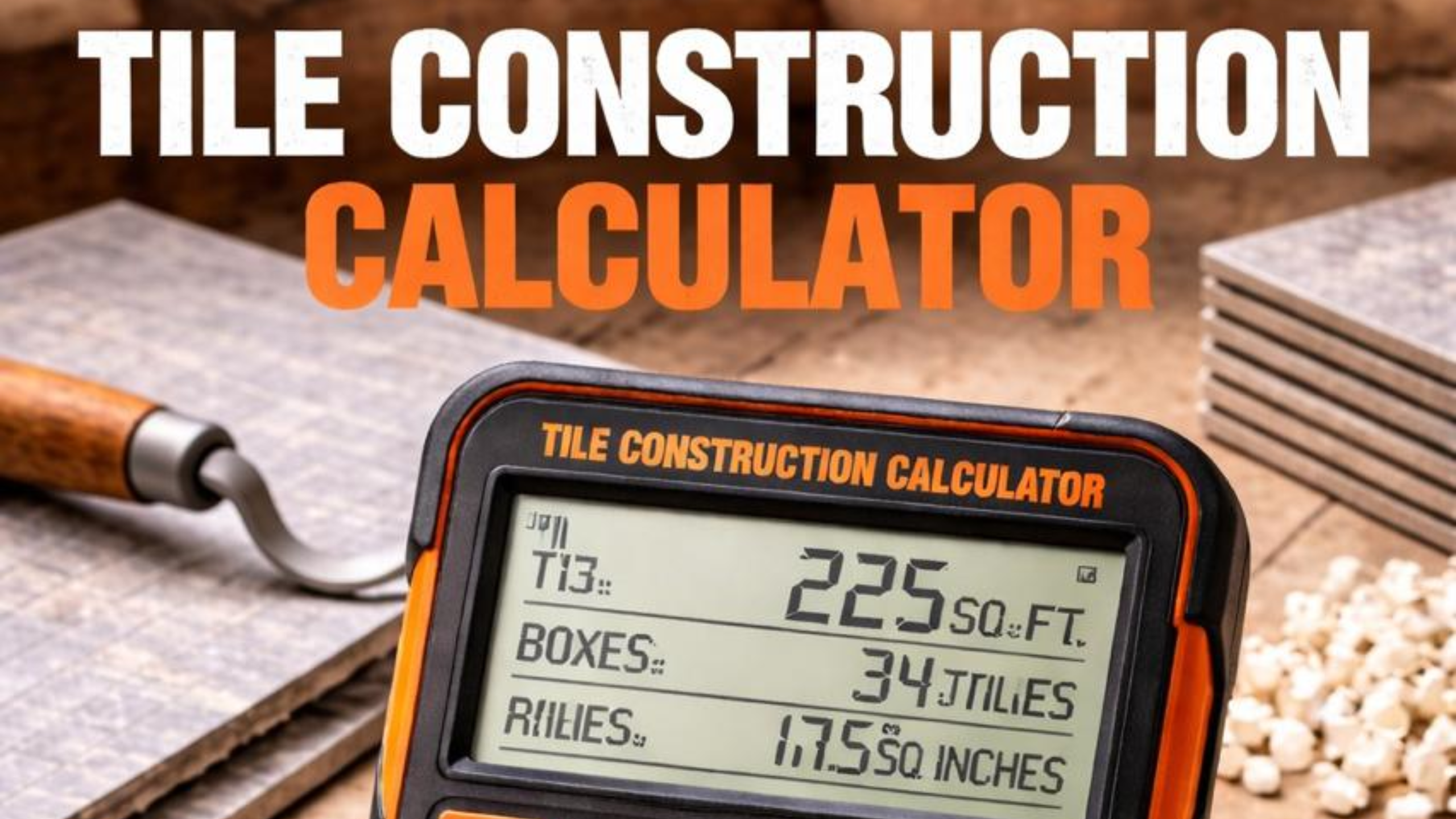
Construction calculators are simple online tools that estimate materials based on your project measurements. You usually enter details like length, width, depth, height, or area. The calculator then gives an estimated quantity, such as cubic yards, square feet, bags, tons, or gallons. These tools save time and make project planning easier.
Why Construction Calculators Are Useful
Builders and contractors handle many calculations during a project. They need to estimate concrete, gravel, paint, roofing, drywall, flooring, lumber, and other materials. Doing every calculation manually can take time, especially when measurements change.
Free construction calculators help by giving quick results. They reduce guesswork and help users prepare better quotes. For contractors, this can improve client trust because the estimate looks more professional and accurate. For homeowners, it helps them understand how much material they may need before buying supplies.
These calculators are also useful for budgeting. When you know the expected material quantity, you can compare supplier prices and plan your expenses. This helps avoid over-ordering or under-ordering.
Common Types of Construction Calculators
There are many types of construction calculators available online. Each one is made for a specific job.
A concrete calculator helps estimate how much concrete is needed for slabs, footings, columns, patios, and driveways. Users enter the length, width, and thickness of the area. The result is usually shown in cubic yards or cubic meters.
A flooring calculator estimates how much tile, wood, vinyl, laminate, or carpet is needed for a room. It calculates the total area and may also include extra material for cuts and waste.
A roofing calculator helps estimate shingles, underlayment, and roof area. Since roofs often have slopes and angles, this tool can make planning easier than using flat measurements only.
A paint calculator estimates how much paint is needed for walls, ceilings, doors, or exterior surfaces. It may include the number of coats and surface coverage per gallon.
A gravel or aggregate calculator is useful for driveways, walkways, parking areas, and base layers. For example, an asphalt millings calculator can help estimate recycled asphalt material for a driveway or private road project.
A landscape material calculator can also be useful for outdoor projects. A decomposed granite calculator helps estimate material for garden paths, patios, seating areas, and decorative ground cover.
Benefits for Builders and Contractors
Free construction calculators offer many practical benefits. The first benefit is speed. Instead of spending time on manual formulas, contractors can get quick estimates within seconds.
The second benefit is better material control. Ordering too much material increases waste and cost. Ordering too little can stop the project and create delays. A calculator helps find a better balance.
The third benefit is better quoting. Contractors often need to send estimates to clients quickly. With construction calculators, they can prepare a rough estimate faster and explain material needs more clearly.
The fourth benefit is fewer mistakes. Manual calculations can be affected by simple errors, especially when converting units. Online calculators can reduce these mistakes if the measurements are entered correctly.
Another major advantage is accessibility. Most construction calculators are available online or as mobile apps, allowing contractors to use them directly on-site. This real-time access ensures quicker decision-making and better communication with clients and team members.
Additionally, these tools reduce human error, which is common in manual calculations. By improving accuracy and efficiency, contractors can focus more on quality work and project management.
In today’s fast-paced construction industry, free construction calculators are not just convenient—they are a smart investment in productivity, accuracy, and overall project success.
How to Use Construction Calculators Correctly
To get accurate results, you must start with accurate measurements. Always measure length, width, height, and depth carefully. Use the same unit throughout the calculation. For example, do not mix feet and inches unless the calculator allows it.
It is also smart to add extra material for waste. Many projects need extra material because of cutting, uneven ground, breakage, or design changes. Flooring, tile, roofing, and drywall often need a waste allowance.
You should also check supplier requirements. Some materials are sold by bag, roll, bundle, ton, or cubic yard. A calculator gives an estimate, but your supplier may round quantities differently.
For large or complex projects, use the calculator as a planning guide only. Final numbers should be checked by a professional, engineer, or supplier when needed.
Are Free Construction Calculators Accurate?
Free construction calculators can be accurate when the input values are correct. They follow basic formulas used in construction planning. But they cannot always understand real site conditions.
For example, uneven ground may require more gravel or concrete. A roof with many valleys, corners, or slopes may need more material than a simple calculator shows. A room with many cuts may require extra flooring.
So, these tools are best for estimates, not final engineering decisions. They are very useful for planning, budgeting, and comparing material needs, but they should not replace expert judgment.
Free construction calculators have become essential tools for builders and contractors who want to save time, reduce errors, and improve project efficiency. Whether working on residential, commercial, or renovation projects, these digital tools help professionals quickly estimate materials, costs, and measurements without relying solely on manual calculations.
From concrete volume and brick quantity estimators to roofing and flooring calculators, free online tools simplify complex calculations in just a few clicks. They allow contractors to input project dimensions and instantly receive accurate results, helping them plan better and avoid costly material shortages or overages. Many calculators also include cost estimation features, enabling builders to create more precise budgets and competitive bids.
Final Thoughts
Free construction calculators are valuable tools for builders, contractors, and homeowners. They make planning faster, reduce material waste, and help create better project estimates. From concrete and roofing to flooring, paint, gravel, and landscaping, these calculators support smarter decisions before work begins. When used with careful measurements and professional advice, they can save time, money, and effort on almost any construction project.