

This article is part of the HOGDigest editorial series. → Explore HOGDigest
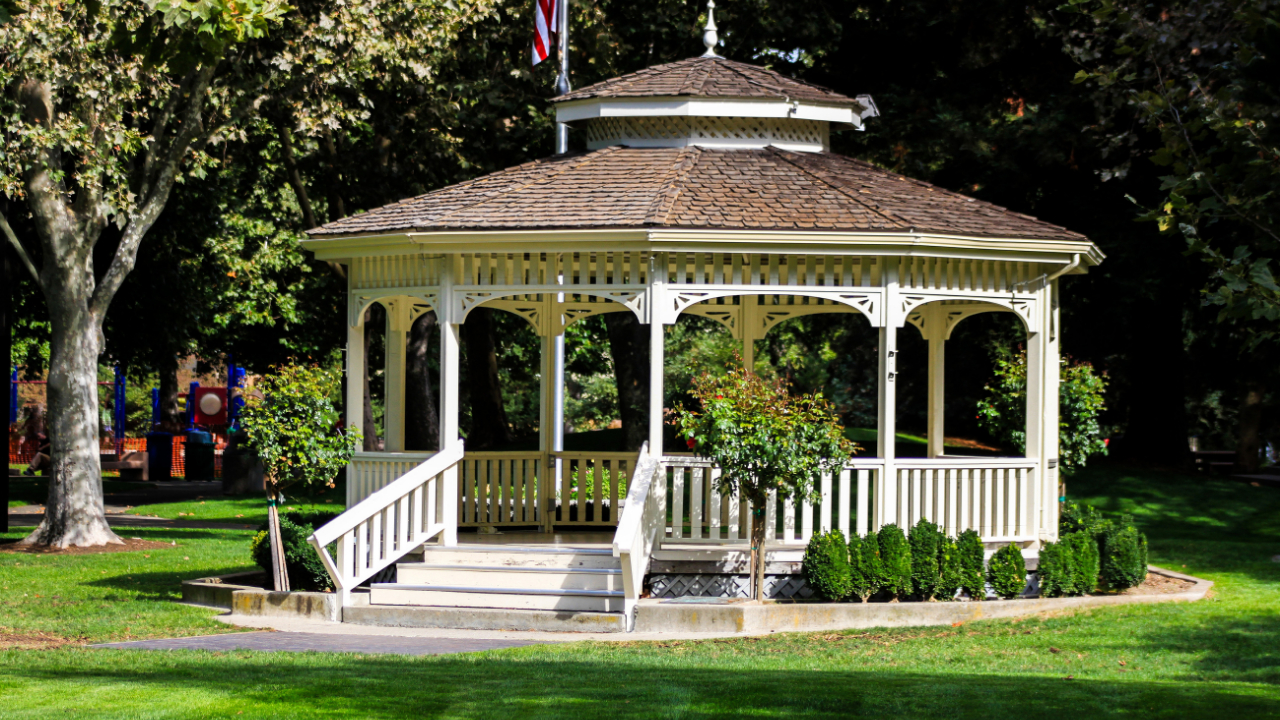
Vinyl isn’t just for fences anymore. In North Hollywood, homeowners love its crisp look and “set-it-and-forget-it” upkeep. The North American vinyl-fence market is projected to climb from $5.7 billion in 2024 to $8.9 billion by 2033. That surge hints at something bigger: vinyl gazebos, pergolas, and patio covers are moving mainstream.
Our warm, dry summers beg for shade, yet wood warps and metal rusts. Vinyl stays straight, bright, and carefree year after year—no sanding, no sealing, no weekend paint marathons.
This 2026 buyer’s guide cuts through the hype. We spent weeks vetting local installers, grading material quality, permits, warranties, and real customer feedback. From that stack, seven stand-out companies surfaced. Read on, and you’ll see why vinyl fits our climate, how we scored each installer, and exactly who to call—whether you want a bespoke showpiece or a quick kit assembly.
Why vinyl gazebos make sense in North Hollywood

Hot Valley afternoons punish wood, and coastal air can spot-rust metal. Vinyl shrugs off both threats.
The material never soaks up moisture, so it will not warp, splinter, or invite termites. Built-in UV inhibitors keep the surface bright instead of yellow, even with sunshine ten months a year.
Low rainfall means water restrictions. Vinyl needs nothing more than a hose rinse, which fits our drought-minded habits—no sealing, no repainting, no Saturday chores.
Santa Ana gusts roll through each fall. Quality vinyl profiles hide internal steel, giving them the rigidity to stand firm when the wind picks up. Anchored correctly, a vinyl gazebo feels rock solid, not rickety.
Fire safety is another edge. Upcoming Zone 0 rules steer homeowners toward ignition-resistant materials near the house. Vinyl contains no exposed lumber, so it will not easily feed a flame. It can soften under extreme heat, yet it is self-extinguishing and will not act as tinder.
Style seals the deal. Today’s vinyl is more than white pickets; local shops fabricate tan, gray, and even wood-grain tones that complement mid-century bungalows and drought-tolerant landscapes. You get the charm of a classic gazebo without the maintenance weight.
Put simply, vinyl checks every NoHo box: sun, wind, water, and code—that’s why we focus on it.

How we picked the seven stand-out installers
We started with more than thirty Los Angeles contractors that advertise vinyl gazebos, then ran every name through five filters.
First, material quality. Only companies that specify virgin PVC, internal metal reinforcement, and a written lifetime or near-lifetime warranty cleared the bar.
Second, reputation. Yelp, Google, and the Better Business Bureau all had to show a consistent 4.5-star-plus track record, not a single glowing note from Aunt Linda.
Third, design freedom. If an installer cannot tweak rooflines, colors, or footprints, it will not satisfy North Hollywood’s mix of mid-century, Spanish, and modern homes.
Fourth, project support. Permits, HOA submissions, and demolition of an old patio cover can steal weekends. We favored firms that handle those chores instead of handing you a packet and wishing you luck.
Finally, value. Price was not the deciding vote, but transparency was. Clear, itemized quotes beat vague ballpark numbers every time.
We weighted the score this way: 30 percent material quality, 25 percent reputation, 20 percent design flexibility, 15 percent project support, and 10 percent pricing clarity. The seven companies that emerged cover a range of budgets and styles yet share one thing: they deliver vinyl gazebos you will be proud to show off.

1. Vinyl Fence Depot – best overall custom builder
Walk into Vinyl Fence Depot's Van Nuys showroom at 14700 Oxnard St, and you'll see why they top our list. Every gazebo starts with USA-made rigid PVC and carries a limited-lifetime transferable warranty, so the structure stays bright and sturdy decade after decade — specs you can check for yourself at VinylFenceDepot.com

Vinyl Fence Depot website screenshot for best overall custom builder
Recognized with multiple Talk Awards and featured in Home Magazine, they fabricate every post, rail, and lattice panel in-house, so nothing ships until it meets their machinist’s eye. That control leads to thicker-wall vinyl, tight tolerances, and a finish that feels solid when you knock on it.
Because they build from USA-made rigid PVC with titanium-dioxide pigment, nearly any design you imagine is fair game. Want a double-tiered roof, a matching cupola, or a wrap-around bench? Their CAD team will sketch it, tweak it, and hand the plans to their crew—no middle-stage delays.
Homeowners rave about the process. Crews arrive on time, secure permits, haul away debris, and leave a spotless site. If something goes sideways, management calls the same day and sends a tech the next. That responsiveness, paired with a limited lifetime transferable warranty on residential projects and lifetime protection against discoloration, feels like insurance rather than an indulgence.
Vinyl Fence Depot does not publish set prices; instead, they provide free on-site estimates. Once you sign with a ten-percent deposit, they handle fabrication and installation. In return, you gain the calm that comes from seasoned craftsmanship and one accountable partner from quote to final sweep-up.
2. Pro Vinyl Fencing – vinyl-only focus, neighbor-next-door service
Pro Vinyl Fencing feels more like a seasoned craft workshop than a corporate showroom, and that personality shows in every gazebo. The team works with one material—vinyl—so they know every cut, notch, and reinforcement trick in the book.
Customers praise the smooth process. You call, a project manager arrives with samples, and thirty minutes later, you have a clear design, timeline, and itemized quote. No upsells, no jargon, just straight answers to questions like “Will this fit my 1950s patio slab?” or “How much sun fade will I see after five years?”
Installation day moves fast. The in-house crew arrives early, sets posts in concrete, and laser-levels each rail until it sits perfectly. By sundown, you are standing under a finished structure that feels rock steady.
Pricing usually lands a notch below the big factories: four to six thousand dollars for a classic 10-by-10 installed. Add their responsive follow-up and nearly spotless 4.9-star reputation, and Pro Vinyl becomes the value sweet spot for homeowners who want custom quality without the boutique price tag.
3. GNG Vinyl – boutique aesthetics with a lifetime transfer
If Vinyl Fence Depot is the engineer and Pro Vinyl is the neighborly craftsman, GNG Vinyl plays the role of designer. Step into their Glendale office and you are greeted by ornate railings, decorative brackets, and sample roof trims inspired by classic Amish carpentry—reimagined in PVC.
GNG’s strength is visual storytelling. A consultant starts by asking how you picture using the space: sunset dinners, a quiet reading nook, or maybe a stage for weekend jam sessions. That vision guides every design choice, from octagonal floor plans to pagoda-style double roofs.
Behind the artistry sits serious engineering. Posts hide steel cores, rafters slot together with concealed fasteners, and every joint carries a lifetime transferable warranty. Sell your house and the new owner still enjoys coverage—handy in a market that values worry-free upgrades.
Expect premium pricing. A 10-by-12 gazebo with lattice skirting and a decorative cupola often lands in the six- to eight-thousand-dollar range installed. Yet for clients who treat the gazebo as a focal point, not an accessory, GNG delivers a showpiece that draws compliments long after the landscaper packs up.
4. Vinyl Concepts – big-team muscle, turnkey execution
Vinyl Concepts runs more like a mini factory than a mom-and-pop shop, and that scale brings perks. Their Torrance plant makes its own vinyl profiles, so colors match from rail to roof cap and replacement parts stay available years later.
For you, the project feels hands-off. A designer measures, an in-house engineer stamps the plans, the permit runner files with LADBS, and a dedicated crew rolls up on install day. Each team focuses on its step, which cuts surprises and keeps timelines tight.
Quality matches the process. Posts sit in concrete with heavy brackets, rafters hide aluminum stiffeners, and every seam lies flush. The finished structure feels like an outdoor room, not a weekend kit.
All that muscle costs money. Plan on six to eight thousand dollars for a standard 10-by-10, slightly higher than smaller shops. Yet if you want one call, a firm date, and a gazebo that still looks showroom-fresh ten years later, Vinyl Concepts’ full-service model earns its keep.
5. Practic Vinyl Fencing – small team, big savings
Practic Vinyl shows you do not need a mega shop to build a sturdy gazebo. The Rosemead crew numbers fewer than a dozen, yet their workmanship earns steady five-star praise. Lean staffing keeps overhead low, and those savings flow straight into your quote.
The process is refreshingly direct. Text a few yard photos; they return design sketches and a firm price, often a couple thousand below larger players for the same 10-by-10 footprint. Materials come from reputable suppliers like Duramax, and the crew double-checks every cut on site before the concrete sets.
Because bandwidth is limited, ultra-custom flourishes can stretch timelines, but standard designs go up fast. Most North Hollywood clients see installation wrapped in one long day, with the owner on site turning screws alongside the team.
If you want personal service and a bill that starts with a three instead of a five, Practic Vinyl lands in the sweet spot. Book early, though—their calendar fills quickly once spring patio season kicks off.
6. ShadeYard – the kit whisperers
Sometimes you spot a great gazebo deal at Costco or Wayfair but dread the 72-page instruction booklet. ShadeYard exists for that moment. They do not make vinyl; they perfect the assembly.

ShadeYard website screenshot for kit assembly specialists
The process is simple. You email a product link, they reply with a flat labor quote, often five to eight hundred dollars, and schedule a one-day build. Their van arrives stocked with extra hardware, custom shims, and a generator in case your outdoor outlet is unreliable.
Because the crew assembles every popular kit on repeat, they know the quirks: which brand needs larger pilot holes, which roof panels scratch easily, and how to hide an awkward seam with a trim strip you did not know was in the box. By sunset, your gazebo is anchored, leveled, and selfie-ready without Sunday-afternoon frustration.
ShadeYard is not the choice for bespoke designs. Yet if speed, convenience, and budget top your list, and you already own a retail kit, these assembly pros are your shortcut to backyard shade.
7. Gazebo Builders California – no-frills pricing champion
If you want the lowest installed price on a vinyl gazebo, Gazebo Builders California makes a simple promise: “We have the best prices on vinyl gazebos.” Standard 10-foot models, delivered and set, often land around three to four thousand dollars, nearly half the tab at larger outfits.

Gazebo Builders California website screenshot for budget vinyl gazebos
They hit those numbers by trimming extras. Designs stay with proven shapes, color choices hover at white or tan, and decorative trim stays minimal. The core structure is still solid PVC with UV inhibitors, so you avoid rot, termites, and repaint weekends.
Customer interaction feels old-school. You call, chat with the owner, and receive a hand-typed proposal. Small crews work efficiently and finish most jobs in two days. Warranty coverage is shorter—about five years on labor—while the vinyl itself carries the manufacturer’s backing.
Gazebo Builders CA is the play when budget beats bragging rights. You will not get CAD renderings or showroom lattes, but you will get a clean, sturdy gazebo and enough leftover cash for patio furniture or that outdoor pizza oven you keep eyeing.
Side-by-side snapshot
You have met every company one-on-one. Now see them next to each other. The table below distills the numbers and promises that matter most when you choose who earns a spot in your backyard.
|
Installer |
Years in business |
Service reach |
Custom or kit |
Warranty length |
Average review score |
Typical 10 × 10 cost |
|
Vinyl Fence Depot |
20+ |
L.A. County & Valley |
Full custom |
Limited lifetime transferable (residential) |
4.5★ (260+ reviews) |
Custom quote (free estimate) |
|
Pro Vinyl Fencing |
25+ |
L.A. County |
Full custom |
Lifetime |
4.9★ (380+ reviews) |
$4k–$6k |
|
GNG Vinyl |
15 |
L.A. & O.C. |
Full custom |
Lifetime, transferable |
4.8★ (150+ reviews) |
$6k–$8k |
|
Vinyl Concepts |
25+ |
L.A., Ventura, O.C. |
Full custom |
Lifetime |
4.8★ (300+ reviews) |
$6k–$8k |
|
Practic Vinyl |
10 |
L.A. & N. O.C. |
Semi-custom |
Lifetime |
4.9★ (60+ reviews) |
$3k–$4k |
|
ShadeYard |
5 |
L.A. County |
Kit assembly |
1-year labor |
4.9★ (180+ jobs) |
$500–$800 labor + kit |
|
Gazebo Builders CA |
20+ |
SoCal |
Prefab kit |
5-year labor |
Limited data, positive |
$3k–$4k |
Use the chart as a quick gut-check. If you want ultimate design freedom, focus on the four custom builders at the top. If budget leads the decision, Practic or Gazebo Builders CA jump ahead. Already bought a retail kit? ShadeYard stands alone.
Prices reflect recent homeowner invoices, but material surcharges and permit fees can change. Always request an itemized quote before you sign.
What a vinyl gazebo really costs and when you need a permit
Sticker prices online tell only half the story. In California, you pay for three main items: the kit or custom materials, professional installation, and anchoring or foundation work. According to home-improvement site Zomg The Handyman, a recent statewide pricing study puts hard-top gazebos at about $1,200 to $3,500 fully installed, while premium custom builds can reach $5,000 and beyond.
North Hollywood homeowners shopping the companies on our list fall right in that range. Custom shops quote five to eight thousand for a premium build, but budget-minded providers land closer to three to four thousand. Add $150 to $400 more if your yard needs a fresh concrete pad.
Now, permits. According to the online resource Build Permit Guide, Los Angeles treats a gazebo like any accessory structure. Stay at or under 120 square feet, and the city waives the building permit; go larger, and you will file plans and pay fees of roughly $75 to $350. Electrical service triggers a separate permit no matter the size, so plan extra time if you want a ceiling fan or lights. Permit rules and fees vary by city, so always verify exact requirements with your local planning or building department.

Quick ways to keep costs down:
- Reuse an existing patio slab instead of pouring new concrete.
- Choose a standard roofline rather than a custom double-tier.
- Schedule installation in January or February when crews offer off-season discounts.
Quick-fire FAQs
Do vinyl gazebos really need zero upkeep?
Almost. Because PVC never absorbs water, you skip painting, staining, and termite treatments. A hose rinse a few times a year clears dust, and that is usually the whole checklist.
Will it blow away in Santa Ana winds?
Not when a pro installs it correctly. Most quality hard-top gazebos are engineered for 50 to 70 mph wind loads, equal to or better than wood structures. Steel anchors and internal metal sleeves keep the frame rigid during gusts.
How long will the vinyl stay bright white?
High-grade vinyl is blended with UV inhibitors at the factory. That protection keeps yellowing or chalking at bay for decades, even under Valley sunshine.
Can I add power for lights or a ceiling fan later?
Yes. An electrician can run conduit through a hollow post or along the roof beams. Los Angeles requires a separate electrical permit, so plan a little extra time and budget to keep your warranty intact.
Have another question? Every installer on our list offers free consultations—send a photo of your yard and get answers tailored to your space.
Conclusion
A little planning saves not just dollars but headaches, leaving you free to focus on the fun part: picking out furniture for your new shaded retreat.