

This article is part of the HOGDigest editorial series. → Explore HOGDigest
Termites can be difficult to notice because much of their activity occurs inside wood, behind walls, beneath flooring, or in other concealed areas. A home may look perfectly normal from the outside while insects are feeding on structural materials out of sight. That makes early observation especially useful, since obvious damage may not appear until a colony has been active for some time.
A thoughtful pest control approach starts with recognizing conditions that can support termite activity and learning which warning signs deserve closer inspection. Homeowners working with Agile Pest Control or another qualified provider should pay attention to moisture, wood-to-soil contact, damaged trim, discarded wings, mud tubes, and changes in wooden surfaces rather than waiting for a major structural problem to become visible.
Why Termite Activity Can Stay Hidden
Unlike pests that regularly cross kitchen counters or floors, termites often remain inside the materials they are consuming.
Subterranean termites typically travel between the soil and wooden parts of a structure through concealed routes or protective mud tubes. Because they avoid open exposure, homeowners may never see active insects even when a colony is nearby.
Wooden framing can also hide damage beneath an intact outer surface. A board may look normal while internal sections have been weakened.
This hidden behavior is why termite problems cannot be judged simply by whether insects are visible inside the home. Small changes around foundations, trim, crawl spaces, or other wooden components may provide much earlier clues.
Look for Mud Tubes Around the Structure
Mud tubes are one of the better-known signs associated with subterranean termites.
These narrow, soil-like pathways may appear along foundation walls, support posts, crawl-space surfaces, or other areas where termites move between the ground and wood.
A tube does not always reveal the full extent of activity, and breaking one open is not a complete inspection method. Even if no insects are visible immediately, termites may still be active elsewhere.
Homeowners who find suspected tubes should photograph their location and avoid disturbing large areas before an inspection.
The surrounding conditions also deserve attention. Damp soil, leaking plumbing, poor drainage, or wood resting directly against the ground may make the location more favorable for ongoing activity.
Pay Attention to Discarded Wings
Termite colonies can produce winged reproductive termites that leave established colonies to form new ones.
Homeowners sometimes find discarded wings near windowsills, doors, light sources, or other openings. These wings can be easy to mistake for ordinary insect debris.
A small pile appearing suddenly deserves closer examination, particularly if it occurs indoors.
Finding wings does not show exactly where a colony is located, but it can indicate that termite activity is occurring nearby.
Do not rely solely on insect spray if winged termites appear. Killing visible insects does not address a colony hidden in soil, walls, or structural wood.
Instead, note where and when the wings appeared so that the surrounding areas can be inspected carefully.
Notice Changes in Wood and Interior Trim
Termite damage does not always look dramatic at first.
Wooden trim may begin to blister, crack, or appear unusually thin. Baseboards can feel softer than surrounding sections, while door or window trim may develop unexplained surface changes.
In some cases, damaged wood may sound hollow when tapped, although this is not a reliable diagnosis by itself.
Flooring can also show subtle changes. Boards may become uneven, and certain areas can feel different underfoot if underlying materials have been affected.
These signs can have many causes, including moisture, ordinary aging, or other insects, so homeowners should avoid assuming termites are responsible without further evaluation.
The useful step is recognizing that a previously stable wooden surface has changed.
Moisture Can Increase the Risk of Termite Problems
Moisture problems around a house deserve attention for many reasons, including their relationship with certain termite conditions.
Leaking plumbing, poorly draining gutters, damaged downspouts, irrigation overspray, and persistent dampness around foundations can create environments that are more attractive to termites.
Check under sinks and around plumbing penetrations for leaks. Outdoors, watch where roof runoff lands and whether water remains beside the foundation after rainfall.
Crawl spaces should also be observed for damp soil, plumbing leaks, or moisture-damaged wood where access is safe.
Good drainage does not guarantee termites will never appear, but correcting unnecessary moisture removes one condition that can support activity.
Avoid Wood-to-Soil Contact Around the Home
Wood that touches soil can provide termites with a more direct route into a structure.
Fence posts, siding, deck components, landscape timbers, porch supports, and other wooden materials should be reviewed for unnecessary contact with damp ground.
Firewood is another consideration. Stacking firewood directly against the house can bring wood-eating insects closer to the structure and make inspection more difficult.
Store wood in a location that allows the building perimeter to remain visible.
Mulch should also be managed thoughtfully. Deep layers placed directly against exterior walls can conceal the foundation and hold moisture near the structure.
Keeping a visible inspection zone around key areas makes changes easier to notice and helps homeowners find mud tubes or damaged materials sooner.
Understand the Difference Between Termites and Flying Ants
Winged termites are sometimes confused with flying ants because both can appear suddenly around a property.
Their body shapes and wings differ, but identification can be difficult without close examination. Homeowners should avoid making treatment decisions based only on a quick glance.
Collecting a sample safely, if possible, can help with identification. A clear photograph may also be useful.
Correct identification matters because ant activity and termite activity require different responses.
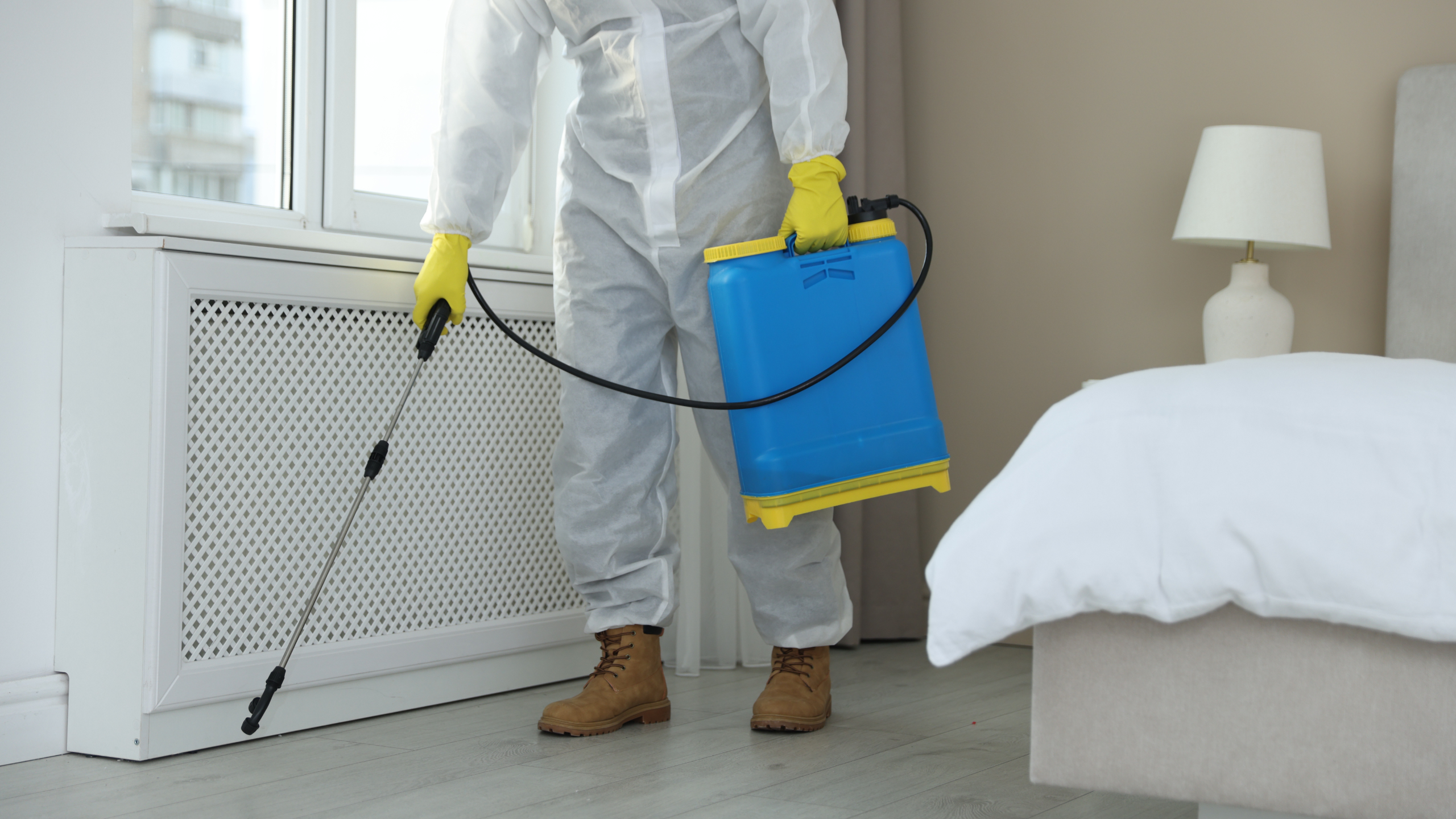
During a professional pest control inspection, Agile Pest Control or another provider can evaluate the insect itself along with surrounding signs such as mud tubes, wood damage, moisture conditions, and likely entry routes.
Treating the wrong pest can delay attention to the actual problem.
Why Surface Sprays Do Not Address Hidden Colonies
A homeowner who sees termites may understandably reach for an insect spray.
The problem is that the visible insects may represent only a small portion of the activity. A colony can remain hidden in soil or structural areas while a few individuals appear at the surface.
Spraying those visible insects may remove them without reaching the source.
Some products can also cause insects to avoid a treated area and use different pathways, making activity harder to follow.
Termite management generally requires understanding the species involved, where the colony is likely located, and how it is reaching the building.
That is very different from treating an occasional insect found on a countertop.
What Happens During a Termite Inspection
A termite inspection usually focuses on accessible areas where signs of activity or conducive conditions are most likely to appear.
The inspector may examine foundation walls, crawl spaces, basements, garages, trim, exterior wood, plumbing areas, and other locations where moisture or wood contact is present.
Mud tubes, damaged wood, discarded wings, and entry points may be documented.
The inspector may also look for conditions that could make future activity easier, such as leaks, poor drainage, stored wood, or concealed foundation edges.
Not every area of a building can always be inspected directly. Finished walls and flooring may hide structural components.
A useful inspection therefore combines visible evidence, building conditions, and patterns of activity rather than relying on one sign.
Reduce Conditions That Can Encourage Future Activity
Prevention should focus on making the property less favorable while keeping important areas easier to inspect.
Repair plumbing leaks instead of allowing cabinets or crawl spaces to remain damp. Keep gutters and downspouts working so roof runoff moves away from the structure.
Avoid storing lumber, cardboard, or firewood directly against exterior walls for long periods.
Where practical, maintain separation between soil and vulnerable wood components.
Homeowners should also avoid covering foundation areas completely with dense vegetation or stored belongings. Clear access makes it easier to notice tubes and changes in wood.
Regular observation is particularly useful after repairs, landscaping projects, or construction work that changes drainage or soil levels around the home.
Know When Professional Evaluation Is Appropriate
Suspected termite activity deserves more than guesswork because the extent of hidden damage may not match what is visible.
Professional evaluation is sensible when homeowners find mud tubes, unexplained discarded wings, damaged structural wood, repeated swarming insects, or multiple signs occurring together.
A pest control provider can also help distinguish termites from other wood-damaging insects and determine which areas need further examination.
When working with Agile Pest Control, homeowners should point out where signs were first noticed, describe any recent moisture or drainage problems, and mention earlier termite activity if the property has a history of treatment.
That background can help make the inspection more focused.
Conclusion
Termite problems are easier to manage when homeowners know what to watch for before obvious structural damage appears. Mud tubes, discarded wings, weakened wood, unusual trim changes, damp areas, and wood-to-soil contact can all provide useful clues.
No single sign should be treated as proof by itself. Moisture damage, ants, and other insects can create symptoms that look similar, which is why careful identification matters.
Homeowners can reduce risk by correcting leaks, improving drainage, keeping firewood and stored materials away from the structure, and maintaining visible access around foundation areas. Regular observation is especially helpful in crawl spaces, garages, basements, and exterior areas where wood and moisture are present.
The goal is not to inspect every board constantly. It is to recognize unusual changes early and investigate them before hidden activity has more time to spread through the structure.