

This article is part of the HOGDigest editorial series. → Explore HOGDigest
Sustainable carpet materials are no longer a niche preference. In 2025, they have become one of the most dominant elements in the flooring industry. Consumers are choosing carpets made from recycled PET, wool, sisal, and jute because these materials are safer for both indoor environments and long-term ecological impact. Brands are also being more transparent by including sustainability certifications on product labels.
One key reason for this shift is the growing demand for healthier indoor spaces. People now pay more attention to what their floors are made of, especially in homes with children or pets. Natural fiber carpets are preferred due to their low chemical emissions and hypoallergenic properties. This trend also aligns with broader global movements pushing for low-impact, eco-conscious living.
Retailers like Öğretmenler Halı have expanded their collections to meet this demand. They now offer a wide range of carpets that are both stylish and made from eco-friendly materials. This balance between design and sustainability is shaping how people choose carpets in 2025.
Textured Surfaces Are Becoming the Standard
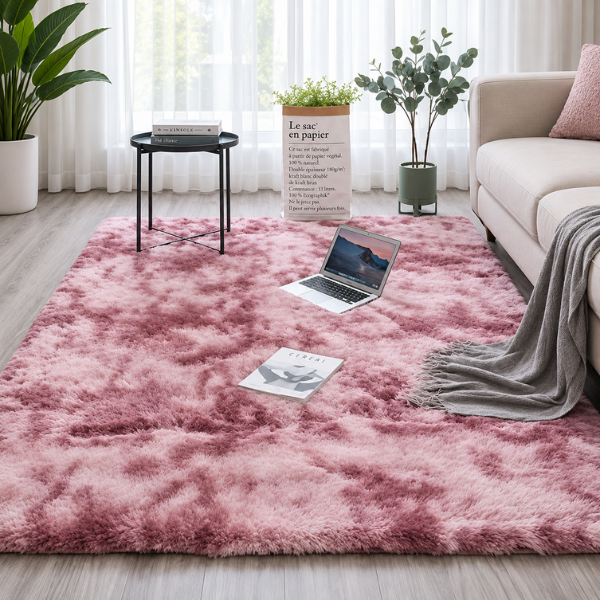
Textured carpets are replacing flat and uniform surfaces in both residential and commercial interiors. The main reason is practicality. Textured carpets hide stains and footprints better than smooth ones, making them more suitable for busy households and offices. They also add depth and movement to the space without overwhelming the overall design.
Different pile heights, like high-low loop constructions, are increasingly popular. These variations do not only offer a visual benefit but also enhance durability and wear resistance. Unlike traditional cut pile carpets, loop textures maintain their appearance for a longer period, especially in high-traffic zones. This is why they’re being preferred in hallways, living rooms, and lobbies.
Textured carpets also improve room acoustics. Their layered surfaces help absorb noise more effectively, especially in open-plan layouts. That makes them a good fit for co-working spaces and shared family rooms where sound control matters.
Neutral and Earth Tones Dominate Color Choices
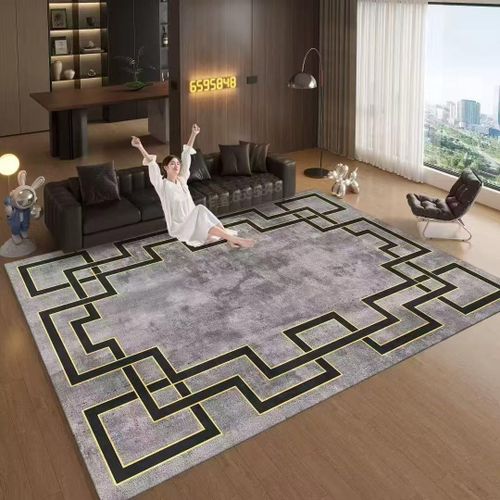
Neutral carpet colors are the most preferred in 2025. Shades like beige, gray, sand, and soft browns are widely chosen because they blend with different interior styles and last longer visually. Homeowners and designers avoid bold or seasonal colors because they tend to age quickly and limit flexibility in redecorating.
Earth tones also help create calm and balanced spaces. This is especially important in bedrooms, lounges, and other areas where comfort and rest are priorities. These colors make rooms feel warmer and more spacious, which supports the overall ambiance of a well-designed home.
In commercial settings, neutral carpets are often paired with modular furniture and minimal decor. This allows businesses to make future design changes without having to replace the flooring. That long-term value is one of the reasons neutral carpets remain the top choice.
Carpet Tiles Gain More Attention in Commercial Interiors
Carpet tiles are widely used in offices, hotels, and retail stores in 2025. One of the main reasons is flexibility. Tiles can be installed quickly, replaced individually when damaged, and configured in many layout styles. This reduces waste and saves on maintenance costs over time.
Many designers now use carpet tiles to define zones in open spaces. For example, they can separate collaborative areas from private corners just by changing the tile design or direction. This method creates natural boundaries without the need for walls or partitions. It is both efficient and visually clean.
Carpet tiles also support better air quality. Modern tile systems often use backing materials with low emissions and anti-microbial properties. This is especially useful in shared environments like co-working offices and educational buildings where cleanliness matters.
Indoor Air Quality Drives Material Choices
Low-VOC carpets are now expected in most new residential and commercial projects. Indoor air quality has become a non-negotiable factor for consumers, particularly after years of increased indoor time. Volatile organic compounds, found in some carpet glues and synthetic fibers, have been linked to poor air conditions. In response, manufacturers are offering carpets with tested low emission rates.
Carpets made from natural or solution-dyed materials are leading in this category. They release fewer chemicals and resist mold growth, which makes them ideal for allergy-sensitive users. These options are also being favored in schools, healthcare facilities, and wellness-focused homes.
-
Materials contributing to better air quality:
-
Wool (naturally hypoallergenic)
-
Polypropylene (low off-gassing)
-
Recycled PET (non-toxic with verified sources)
Choosing carpets with low emissions improves not just comfort but also long-term health outcomes. This trend is supported by increasing awareness and more informed buying decisions.
Carpets as a Tool for Functional Zoning
Zoning with carpets is now a design tactic rather than a side effect. In open spaces, designers use carpets to guide movement and separate functions visually. This approach is often seen in co-working offices, classrooms, and large residential areas like lofts or basements.
By using variations in color, texture, or pile height, designers can signal a shift from one area to another without building physical dividers. This method supports flow, keeps the space open, and improves usability. It’s also cost-effective, especially for areas that may be reconfigured later.
In flexible environments, zoning also reduces distractions. Defined carpet areas help people mentally switch between tasks. Whether it’s working, resting, or learning, flooring can support how people behave in the space.
Technology Integration Starts to Shape Carpet Design
Smart carpet systems are emerging, especially in industries that require tracking or monitoring. These carpets include sensors that can detect pressure, motion, or occupancy. They are being tested in hospitals, assisted living centers, and large commercial spaces for purposes like fall detection and space usage analysis.
The integration of smart textiles into flooring is still in its early stages. However, early results show benefits in both safety and energy efficiency. For example, motion-detecting carpets can turn lights on and off automatically or send alerts when a fall is detected.
As building automation becomes more common, carpets that can communicate with other systems will grow in use. These systems must comply with existing data standards and offer reliable performance, which is why they are currently used in targeted, high-value settings.
Final Thoughts
The most important carpet trends of 2025 show a shift toward health, sustainability, and smart usage. These trends are supported by practical needs, changing lifestyles, and new technologies. Whether it is choosing a natural fiber for better air quality or using textured surfaces for long-term durability, today’s carpets are designed for more than just appearance.
From material to layout strategy, each trend reflects a move toward function-driven design. The carpet industry is adapting to real-world needs, and consumers are now selecting products with both technical and environmental value in mind.
AUTHOUR BIO: