


This article is part of the HOGDigest editorial series. → Explore HOGDigest
Decluttering your home can be a liberating experience. It creates space, reduces stress, and brings a sense of order to your environment. But beyond the emotional and physical benefits, decluttering can also be financially rewarding. Many of the items collecting dust in your closets, drawers, and garage may still hold value for someone else.
Whether you're preparing for a move, simplifying your lifestyle, or just looking to make some extra cash, turning your clutter into profit is a smart and sustainable approach. Here’s how to do it effectively.
Start with a Strategic Sorting Process
The first step in profitable decluttering is to sort your belongings with intention. Go room by room and separate items into categories: keep, donate, recycle, and sell. Be honest with yourself about what you actually use and need. If something hasn’t been touched in over a year, it’s probably time to let it go.
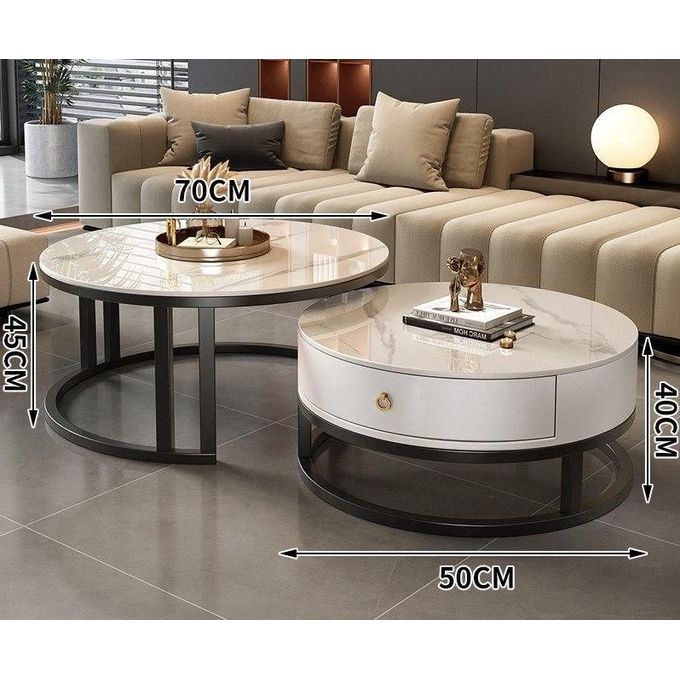
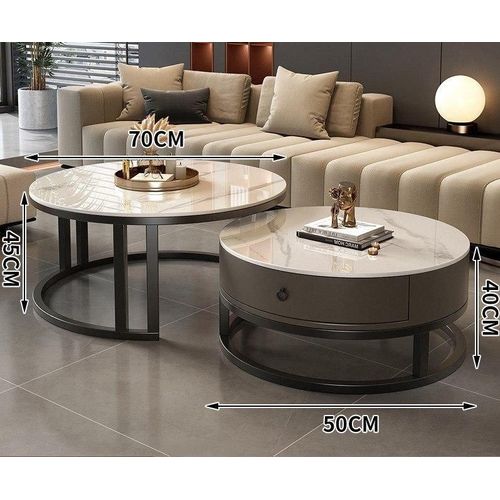
Focus on items that tend to retain value, such as electronics, designer clothing, furniture, tools, and collectibles. Even smaller items like books, kitchen gadgets, and décor can add up when sold in bundles. As you sort, take note of anything that might require cleaning or minor repairs to increase its resale potential.
Research Before You List
Once you’ve identified items to sell, take time to research their current market value. This step is crucial for setting realistic prices and maximizing your earnings. Look at similar listings on platforms like eBay, Facebook Marketplace, and Poshmark to get a sense of what buyers are willing to pay.
For higher-end items, such as luxury watches or branded accessories, it’s worth digging deeper. If you’re planning to sell your used watch, for instance, you’ll want to know the brand, model, condition, and whether you have the original box or paperwork. These details can significantly impact the price and buyer interest. In some cases, getting a professional appraisal or using a specialized resale platform can help you get the best return.
Choose the Right Selling Platforms
Not all selling platforms are created equal, and choosing the right one can make a big difference in how quickly and profitably you sell your items. For general household goods and furniture, local marketplaces like Craigslist, OfferUp, and Facebook Marketplace are convenient and allow for in-person transactions without shipping costs.
For clothing and accessories, consider apps like Poshmark, Depop, or ThredUp. These platforms cater to fashion-savvy buyers and often provide tools to streamline the selling process. Electronics and collectibles tend to do well on eBay, where you can reach a broader audience and take advantage of auction-style listings.
Luxury items, including watches, handbags, and jewelry, are best sold through trusted consignment services or niche marketplaces that offer authentication and buyer protection. These platforms may charge a commission, but they also attract serious buyers and can help you avoid scams.
Present Your Items Professionally
Presentation plays a major role in attracting buyers and securing good offers. Clean each item thoroughly and make any minor repairs that could enhance its appearance or functionality. For clothing, ensure it’s freshly laundered and wrinkle-free. For electronics, include chargers, manuals, or accessories if available.
Take high-quality photos in good lighting, using neutral backgrounds to keep the focus on the item. Include multiple angles and close-ups of any unique features or flaws. Write clear, honest descriptions that include brand names, dimensions, condition, and any relevant history. Transparency builds trust and reduces the likelihood of returns or disputes.
Stay Organized and Safe Throughout the Process
Selling multiple items can quickly become overwhelming without a system in place. Keep track of what you’ve listed, where it’s posted, and any communication with potential buyers. Use a spreadsheet or app to manage pricing, offers, and sales.
When meeting buyers in person, choose public locations and bring a friend if possible. Many communities offer designated safe exchange zones, often located near police stations. For online transactions, use secure payment methods and be cautious of red flags like overpayments or requests to ship before payment is received.
If you’re shipping items, package them securely and provide tracking information. Prompt communication and professionalism can lead to positive reviews and repeat buyers, especially on platforms with built-in communities.
Conclusion
Decluttering doesn’t just clear your space; it can also boost your finances. By approaching the process with strategy, research, and care, you can turn unused items into meaningful income. Whether you’re selling a few pieces of clothing or looking to offload high-value items, the key is to stay organized, informed, and safe. With the right mindset and tools, your clutter can become a valuable resource rather than a burden.
Author bio: