
Overview On Recycling Animal And Human Dung

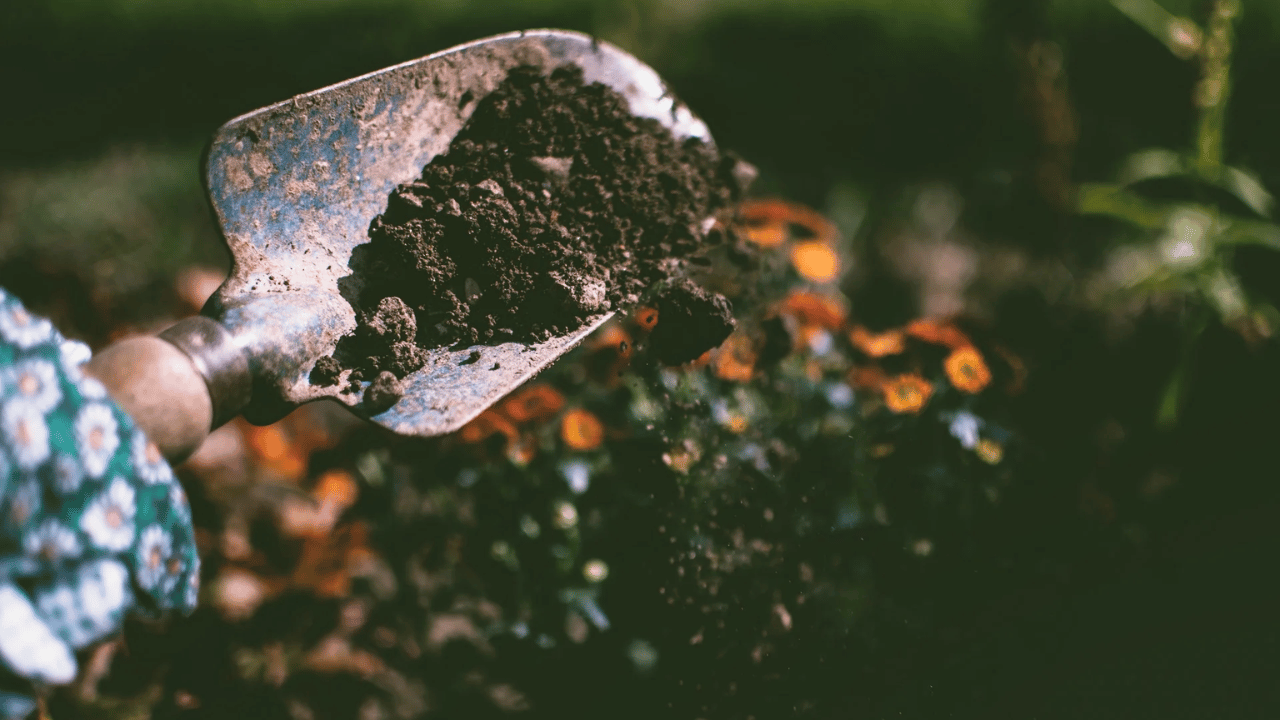
Fertilization is essential to growing and yielding crops and plants. However, chemical fertilizers have been a common pet peeve for growers, since they often contain chemicals that can be counterproductive to your farming endeavors. Too often, chemical fertilizers result in chemical burns (on both humans and crops), along with other dire environmental consequences.
However, there is an alternative to fertilization – recycling animal and human dung.
While this idea might sound outlandish to some, this fertilization method is nothing new, with various cultures having their own strategies for it.
In this overview, we will discuss the various types of methods involving recycling animal and human dung, and how they’re used when it comes to fertilizing crops, plants, etc.
The Problem
Animal wastes aren’t just a residue nuisance. In fact, such wastes have been responsible for water, soil, and even air pollution.
The solution? (Well, a few solutions, actually…)
Make these wastes work for humans in the following ways:
Becoming natural fertilizer for plants and crops, AND
Becoming feedstuffs to provide animals with adequate nutrition
Now, this is only scratching at the surface. Let’s dive deeper.
The Problem UP CLOSE
The truth is, there is a broken cycle that sees animal wastes being discarded, and ultimately contributing to pollution. According to the Humanure Handbook, this “broken cycle” of waste would go as follows:
Chemical fertilizers
Growing plants and crops
Consumers eating and using the products made from said plants and crops
Discarding waste
The end result of creating pollution
Instead, the Handbook suggests two solutions to make the cycle stay intact:
Use animal and human wastes as compost.
Replace chemical fertilizers with natural fertilizers brought on by said wastes.
As a result, this brings about recycling wastes, rather than allowing the problem to intensify.
With that in mind, here are some examples of recycling animal and human dung:
Bone Meal
“Bone meal consists of bones that are grounded and made into dried powder,” says Renee Gettysburg, a tech blogger at UKWritings and Studydemic. “The bones used are from farm animals like chickens, cows, and pigs. The bones are first sterilized to eliminate potentially infectious bacteria. Then, the bones are made into a bone meal, which can be used as fertilizer or as 100% organic animal feed.”
Cottonseed Meal
Cottonseed meal is a form of organic farming. It contains elements like nitrogen, phosphate, and potassium, giving it its acidity. This is often reserved for plants that grow in warm soils, once the nitrogen is contained so that it doesn’t burn like chemical fertilizers. The restrained nitrogen prevents environmental harm, along with it being safe for human use.
Alfalfa Pellets
Alfalfa pellets – dried and processed – is often used as a soil amendment that gives plants their nutritional dose of nitrogen, along with other nutrients. First, the alfalfa is readily made available as pellets. Then, it’s slowly treated with nitrogen, which allows its Triacontanol element to stimulate the growth of plants. As a result, plants are made nourished.
In short, Alfalfa contains the following elements:
3.5% nitrogen
1 to 4% potassium
Small doses of phosphorus, calcium, boron, copper, and zinc; AND
Vitamins and enzymes for its natural growth hormone
Bat Guano
Another alternative to plant fertilizers is bat guano. This form of dung comes from wild bats, and can be accumulated from bats’ most inhabited areas.
From there, bat guano is decomposed and dry, which is then used as fertilizers for lawns and plants. As such, this domesticated fowl excrement is classified as manure, rather than guano.
Fish Emulsions And Products
Like other animals, fish have their own emulsions and excrement. Furthermore, fish waste are composted for other fish products like:
Fish meal
Fish powder
Soluble, AND
Hydrolysate,
With fish emulsions and similar products, no chemical treatments or preservatives (i.e. Ethoxyquin) are needed. The only exception is when pH needs to be adjusted for liquid fish products, just as long as the adjustment doesn’t exceed the amount needed to keep the product stabilized. With that said, pH can only be adjusted with the following treatments:
Vinegar
Synthetic or non-synthetic citric acid
Phosphoric acid, OR
Sulphuric acid
Composted Manure
“With treatment, human feces and urine can be used as a fertilizer,” says Louis Stanton, a business writer at Ratedwriting and Top essay writing services. “Prior to use, feces and urine are treated, so that crops and humans are safe from the bacterial properties. This also prevented severe health risks by staying out of drinking water and supplies.”
Now, this method is nothing new. In fact, dung trading has been a legitimate business since the 1900s. The Chinese agricultural involved using human waste to fertilize crops, which made it a valuable commodity to those who wanted better plant and crop fertilizer. This is also true with the Japanese with their use of biosolids, which helped produce richer harvests yearly.
With that said, there are two ways that human mature is composted:
One method involves slow composting. Slow composting is a manual method of composting, which involves low temperatures, and a year (in a moderate climate) to reach full composting. This form of composting is often reserved for growing crops and inedible plants.
Another method involves composting at high temperatures in an industry. This process is faster, and produces results that are favorable for anyone growing any kind of food crop.
Conclusion
While this practice is often dismissed as outlandish due to the circumstances and the use of common waste products, the truth is, using such products for fertilization comes with beneficial properties. Just as long as the recycled animal and human dung are treated prior to execution, farmers will see improved and growing crops in their fields. And, the world won’t have to suffer more with unnecessary waste and pollution.
As mentioned, there are many ways to treat waste products in order to be deemed safe for human use and fertilization. When animal and human waste are rendered into plant food, the end results are effective and – so to speak – green.
This article is part of the HOGDigest editorial series.
Originally written by [Madeline Miller] and republished with permission.



 Living Room
 Armchairs
 Bar
Bar Coffee Tables
 Sofas
Sofas Side Tables
 Shelving
 TV Consoles
 Bedroom
 Beds
Beds Bedding Sets
 Dressers
 Mattress
 Pillows
 Wardrobes | Organisers
 Bathroom
 Bathroom Accessories
 Showers & Bathtubs
 Water Heaters
 Water Closet
 Washbasin
 Dining
 Dining Tables
 Dining Chairs
 Dining Sets
 Dining Benches
 Sideboards
 Kitchen
 Cookware | Bakeware
 Cabinets
 Tableware | Serveware
 Big Appliances
 Small Appliances
 Sinks | Taps
 Storage | Organisation
 Utensils | Tools
 Lighting
 Ceiling Lights
 Table | Floor Lamps
 Light Bulbs | Hardware
 Outdoor Lighting
 Wall Lights
 Kids & Nursery
 Nursery furniture
 Kids Bedroom
 Kids Decor
 Chairs
 Swivel
 Visitors
 Tables | Desks
 Standard Desks
 Executive Desks
 Computer Desks
 Safe | Cabinets
 Bookshelves
 Credenzas
 Filing Cabinets
 Safes
Safes Lockers
 Conference
 Boardroom Sets
 Meeting Tables
 Seminar | Events
 Workstations
 Cubicle Workstations
 Open Workstations
 Reception
 Reception Desks
 Waiting Area
 School Furniture
 Classroom furniture
 Hostel Furniture
 Laboratory furniture
 Library Furniture
 Bistro Sets
 Metal Bistro Sets
 Rattan Bistro Sets
 Plastic Bistro Sets
 Wooden Bistro Sets
 Rattan
 Rattan Bar Sets
 Rattan Sofas
 Rattan Dining Sets
 Rattan Loungers
 Rattan Swing Chairs
 Rattan Accessories
 Shades & Canopies
 Cantilever Umbrellas
 Parasols
 Tents
Tents Gazebo
 Outdoor Essentials
 Outdoor Living
 Plants & Greenery
 Planters & Pots
 Garden Tools
 Appliances
 Cleaning Appliances
 Cooling & Air Treatment
 Home Finishing
 Carpets & Rugs
 Curtains & Blinds
 Décor
Décor Doors & Shades
 Paint & Wall Covering
 Plumbing Supplies
 Tools & Utility
 Hardware & Electricals
 Tools & Equipment
 Commercial & Specialty
 Hospital Furniture
 Supermarket
 Salon & Personal Care
 Cleaning Services
 Pet Care