
The Science of Standing: Understanding the Physiological Effects of Upright Workstations


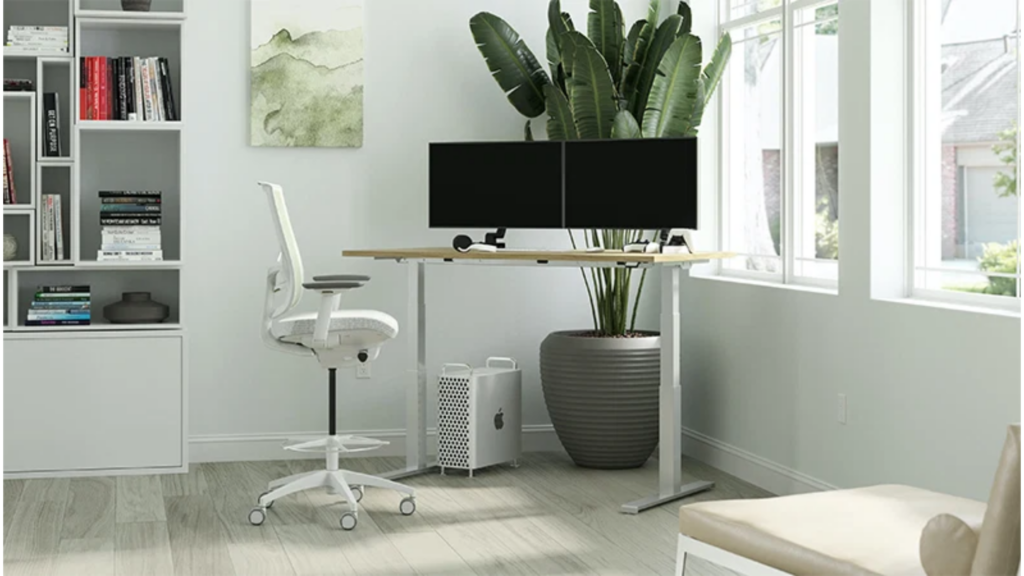
In recent years, there has been growing interest in the potential health benefits of upright workstations, which allow individuals to stand while working instead of sitting for extended periods. These ergonomic solutions have gained popularity due to their potential to improve https://www.mybiosource.com/, boost productivity, and enhance overall well-being. Let’s delve into the science behind standing desks and explore their physiological effects on the body.
- Alleviating Pressure on the Spine and Joints
One of the primary benefits of standing desks is their ability to alleviate pressure on the spine and joints, reducing the risk of musculoskeletal issues such as back pain and stiffness. Prolonged sitting can lead to poor posture and increased pressure on the intervertebral discs, contributing to spinal compression and discomfort. By standing upright, individuals can maintain better spinal alignment and distribute weight more evenly across the body, reducing strain on the spine and joints and promoting better health.
- Engaging Core Muscles and Improving Stability
Standing desks encourage the engagement of core muscles, including the abdominals, obliques, and lower back muscles, which play a crucial role in supporting the spine and maintaining stability and balance. By standing upright, individuals activate these muscles to stabilize the trunk and pelvis, improving overall posture and reducing the risk of falls and injuries. Additionally, standing requires subtle shifts in weight and balance, which further engages the muscles of the lower body and promotes greater strength and stability.
- Enhancing Blood Circulation and Oxygen Delivery
Standing desks promote better blood circulation and oxygen delivery throughout the body, which is essential for overall health and well-being. Prolonged sitting can impede blood flow to the legs and feet, leading to swelling, discomfort, and an increased risk of circulatory issues such as deep vein thrombosis (DVT). By standing up and moving around periodically throughout the day, individuals can improve circulation, allowing blood to flow more freely and deliver oxygen and nutrients to tissues and organs. This increased circulation can help alleviate fatigue, improve energy levels, and enhance overall vitality.
- Boosting Metabolism and Calorie Expenditure
Standing desks have been shown to increase metabolism and calorie expenditure compared to sitting, making them a valuable tool for weight management and metabolic health. While the calorie burn from standing alone may seem minimal, research suggests that even small increases in daily activity can add up over time and contribute to greater energy expenditure. Additionally, standing requires more muscle activity than sitting, particularly in the legs and core, which further enhances calorie burn and promotes muscle tone and strength.
- Improving Cognitive Function and Productivity
Standing desks have been linked to improvements in cognitive function, including memory, concentration, and mental clarity. By promoting better blood flow to the brain, standing up and moving around periodically throughout the day can stimulate neural activity, enhance cognitive performance, and boost productivity. Studies have also found that alternating between sitting and standing can improve focus, creativity, and problem-solving abilities, leading to better outcomes in work and daily tasks.
Conclusion
Upright workstations offer numerous physiological benefits, including improved health, enhanced blood circulation, increased metabolism, and better cognitive function. By incorporating standing desks into the workplace and encouraging regular movement throughout the day, individuals can promote better overall health, productivity, and well-being. As we continue to explore the science of standing, it’s clear that these ergonomic solutions have the potential to revolutionize the way we work and live, offering a path to better health and vitality for all.
This article is part of the HOGDigest editorial series.
Originally written by [Silvia watson] and republished with permission.











 Living Room
 Armchairs
 Bar
 Coffee Tables
 Sofas
 Side Tables
 Shelving
 TV Consoles
 Bedroom
 Beds
 Bedding Sets
 Dressers
 Mattress
 Pillows
 Wardrobes | Organisers
 Bathroom
 Bathroom Accessories
 Showers & Bathtubs
 Water Heaters
 Water Closet
 Washbasin
 Dining
 Dining Tables
 Dining Chairs
 Dining Sets
 Dining Benches
 Sideboards
 Kitchen
 Cookware | Bakeware
 Cabinets
 Tableware | Serveware
 Big Appliances
 Small Appliances
 Sinks | Taps
 Storage | Organisation
 Utensils | Tools
 Lighting
 Ceiling Lights
 Table | Floor Lamps
 Light Bulbs | Hardware
 Outdoor Lighting
 Wall Lights
 Kids & Nursery
 Nursery furniture
 Kids Bedroom
 Kids Decor

 Chairs
 Swivel
 Visitors
 Tables | Desks
 Standard Desks
 Executive Desks
 Computer Desks
 Safe | Cabinets
 Bookshelves
 Credenzas
 Filing Cabinets
 Safes
 Lockers
 Conference
 Boardroom Sets
 Meeting Tables
 Seminar | Events
 Workstations
 Cubicle Workstations
 Open Workstations
 Reception
 Reception Desks
 Waiting Area
 School Furniture
 Classroom furniture
 Hostel Furniture
 Laboratory furniture
 Library Furniture

 Bistro Sets
 Metal Bistro Sets
 Rattan Bistro Sets
 Plastic Bistro Sets
 Wooden Bistro Sets
 Rattan
 Rattan Bar Sets
 Rattan Sofas
 Rattan Dining Sets
 Rattan Loungers
 Rattan Swing Chairs
 Rattan Accessories
 Shades & Canopies
 Cantilever Umbrellas
 Parasols
 Tents
 Gazebo
 Outdoor Essentials
 Outdoor Living
 Plants & Greenery
 Planters & Pots
 Garden Tools

 Appliances
 Cleaning Appliances
 Cooling & Air Treatment
 Home Finishing
 Carpets & Rugs
 Curtains & Blinds
 Décor
 Doors & Shades
 Paint & Wall Covering
 Plumbing Supplies
 Tools & Utility
 Hardware & Electricals
 Tools & Equipment
 Commercial & Specialty
 Hospital Furniture
 Supermarket
 Salon & Personal Care
 Cleaning Services
 Pet Care