
Choosing the Right Colors for Home Furniture: A Comprehensive Guide


Selecting the perfect colors for your home furniture can transform your space, reflecting your style while creating a harmonious atmosphere. Whether you’re redecorating or furnishing a new home, understanding color theory and its impact on mood and space is essential. Here’s a guide to help you choose the right colors for your furniture and enhance your home’s overall aesthetic.
Understanding Color Psychology
Colors can evoke emotions and influence the atmosphere of a room. Here’s a brief overview of how different colors can affect mood:
Warm Colors: Shades like red, orange, and yellow create a lively and energetic environment. These colors are perfect for social spaces like living rooms or dining areas, where you want to encourage interaction and conversation.
Cool Colors: Blues, greens, and purples are calming and soothing. They work well in bedrooms or relaxation areas, promoting tranquility and restful sleep.
Neutral Colors: Whites, greys, and beiges provide a versatile backdrop, allowing other colors and decor elements to shine. They are ideal for creating a balanced, understated look.
Choosing a Color Palette
A well-defined color palette can guide your furniture choices and ensure a cohesive look throughout your home.
Monochromatic Scheme: This involves using variations of one color. For example, different shades of blue can create a serene and sophisticated atmosphere.
Complementary Colors: Select colors that are opposite each other on the color wheel, like blue and orange. This can create a vibrant and dynamic space.
Analogous Colors: Choose colors that are next to each other on the wheel, such as blue, blue-green, and green. This approach creates a harmonious and visually pleasing environment.
Assessing Your Space
The size and lighting of your space can greatly influence your color choices.
Natural Light: Rooms with abundant natural light can handle darker or bolder colors, while smaller or dimly lit spaces benefit from lighter shades that reflect light and create an illusion of space.
Room Size: Dark colors can make a room feel cozier, while light colors can make it feel larger and more open. For small spaces, consider light, airy colors to enhance the feeling of space.
Existing Decor: Take into account your walls, flooring, and existing decor elements. Choose furniture colors that complement these features to create a cohesive look.
Materials and Textures
The material and texture of furniture also influence how color is perceived.
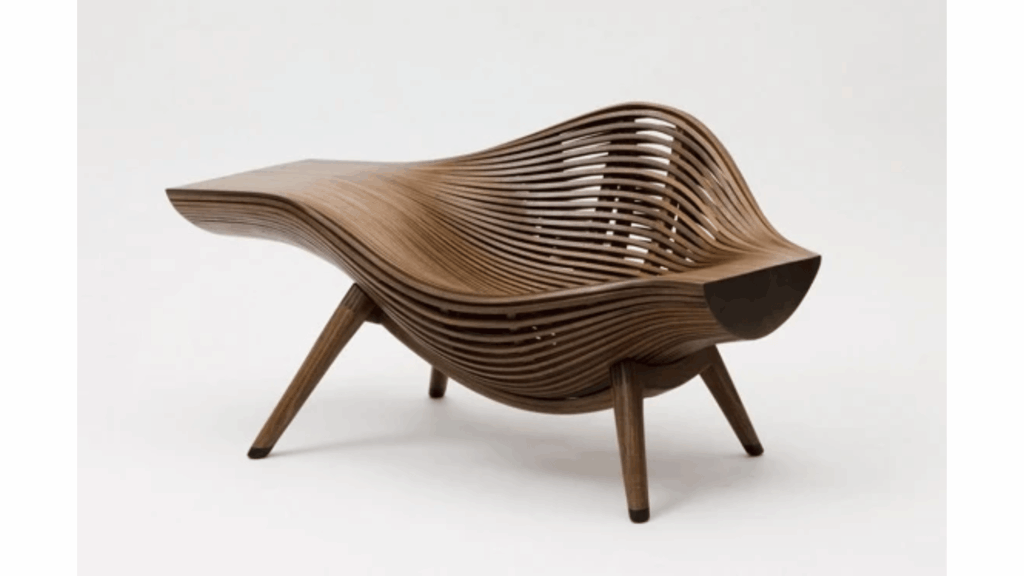
Wooden Furniture: Natural wood tones can bring warmth to a space. Consider lighter woods for a fresh, airy feel, and darker woods for a more traditional, rich ambiance.
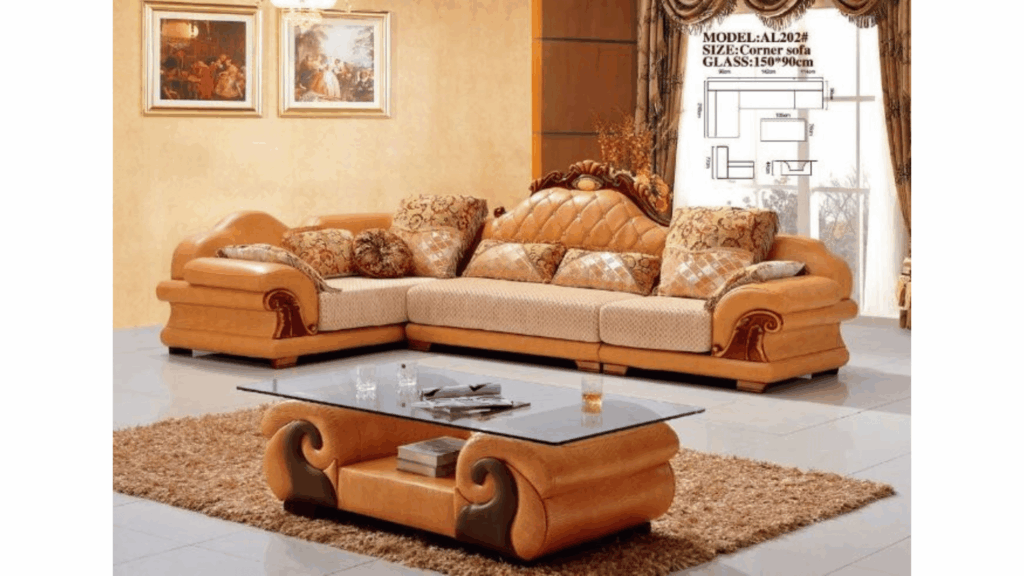
Upholstery Fabrics: Fabrics can greatly affect color appearance. Softer textures, like velvet or linen, can absorb light and change how colors are perceived. Choose fabrics that resonate with your desired mood.
Metal and Glass: Incorporating metal and glass furniture pieces can add a modern touch. Metallics like gold, silver, and bronze can create a glamorous feel, while clear glass can make a space feel lighter.
Testing Color Combinations
Before making a final decision, it’s crucial to test color combinations in your space.
Swatches and Samples: Use paint swatches or fabric samples to see how different colors work together. Place them in the intended space to observe how they look at different times of day.
Digital Tools: Consider using online room design tools or apps that allow you to visualize different color combinations in your space. These tools can help you experiment without committing to a purchase.
Mixing and Matching
Don’t be afraid to mix colors and styles to create a unique look.
Accent Pieces: Use colorful accent furniture or decor pieces to add pops of color without overwhelming the space. This can include chairs, cushions, or art pieces.
Layering Textures: Combine different materials and textures to add depth to your color scheme. For instance, pairing a vibrant sofa with patterned cushions can create an inviting and dynamic look.
Seasonal Changes
Consider how colors can change with the seasons.
Seasonal Decor: You can switch out decor items or furniture pieces seasonally to refresh your space. For example, bright colors in summer can transition to warm earth tones in autumn.
Timeless vs. Trendy: While it’s fun to incorporate trendy colors, consider investing in timeless pieces that can adapt to changing trends over time.
Conclusion: Creating Your Ideal Space
Choosing the right colors for your home furniture is a creative process that involves understanding color psychology, assessing your space, and considering existing decor. By following these tips, you can create a harmonious environment that reflects your personality and lifestyle.
Additionally, if you’re interested in incorporating a bit of fun into your color choices, consider checking out Colour Prediction 101 Lottery for an exciting way to explore color possibilities! With thoughtful planning and creativity, you can design a home that is not only beautiful but also truly yours.
Author’s Bio: Sujain Thomas
Sujain Thomas is a freelance content writer and blogger who has written articles for several renowned blogs and websites about Home decor/Diy and various topics to engineer more traffic on websites.She love to decorate home in her free time
This article is part of the HOGDigest editorial series.
Originally written by [Sujain Thomas] and republished with permission.









 Living Room
 Armchairs
 Bar
 Coffee Tables
 Sofas
 Side Tables
 Shelving
 TV Consoles
 Bedroom
 Beds
 Bedding Sets
 Dressers
 Mattress
 Pillows
 Wardrobes | Organisers
 Bathroom
 Bathroom Accessories
 Showers & Bathtubs
 Water Heaters
 Water Closet
 Washbasin
 Dining
 Dining Tables
 Dining Chairs
 Dining Sets
 Dining Benches
 Sideboards
 Kitchen
 Cookware | Bakeware
 Cabinets
 Tableware | Serveware
 Big Appliances
 Small Appliances
 Sinks | Taps
 Storage | Organisation
 Utensils | Tools
 Lighting
 Ceiling Lights
 Table | Floor Lamps
 Light Bulbs | Hardware
 Outdoor Lighting
 Wall Lights
 Kids & Nursery
 Nursery furniture
 Kids Bedroom
 Kids Decor

 Chairs
 Swivel
 Visitors
 Tables | Desks
 Standard Desks
 Executive Desks
 Computer Desks
 Safe | Cabinets
 Bookshelves
 Credenzas
 Filing Cabinets
 Safes
 Lockers
 Conference
 Boardroom Sets
 Meeting Tables
 Seminar | Events
 Workstations
 Cubicle Workstations
 Open Workstations
 Reception
 Reception Desks
 Waiting Area
 School Furniture
 Classroom furniture
 Hostel Furniture
 Laboratory furniture
 Library Furniture

 Bistro Sets
 Metal Bistro Sets
 Rattan Bistro Sets
 Plastic Bistro Sets
 Wooden Bistro Sets
 Rattan
 Rattan Bar Sets
 Rattan Sofas
 Rattan Dining Sets
 Rattan Loungers
 Rattan Swing Chairs
 Rattan Accessories
 Shades & Canopies
 Cantilever Umbrellas
 Parasols
 Tents
 Gazebo
 Outdoor Essentials
 Outdoor Living
 Plants & Greenery
 Planters & Pots
 Garden Tools

 Appliances
 Cleaning Appliances
 Cooling & Air Treatment
 Home Finishing
 Carpets & Rugs
 Curtains & Blinds
 Décor
 Doors & Shades
 Paint & Wall Covering
 Plumbing Supplies
 Tools & Utility
 Hardware & Electricals
 Tools & Equipment
 Commercial & Specialty
 Hospital Furniture
 Supermarket
 Salon & Personal Care
 Cleaning Services
 Pet Care