
Big 5 Construct Nigeria 2026 and the Conversations That Mattered: Market Realities, Delivery Risks, and the Rise of Interiors


It was another interesting edition of the just-concluded Big 5 Construct Nigeria, which was held at a prestigious meeting centre known for hosting mostly Nigerian professional gatherings: Landmark Event Center at Victoria Island, Lagos.
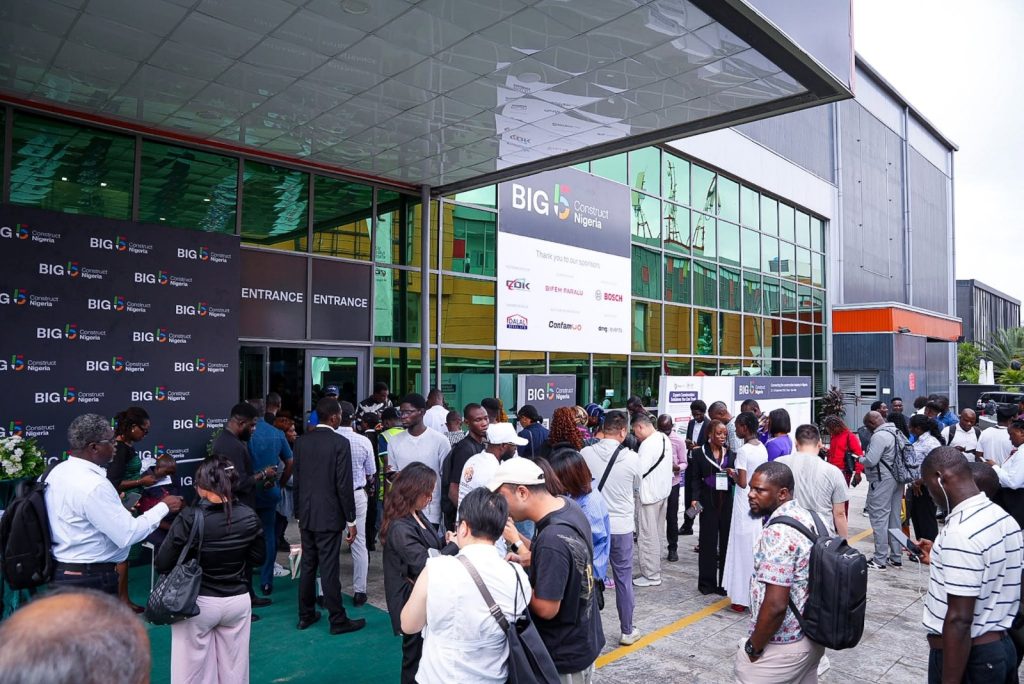
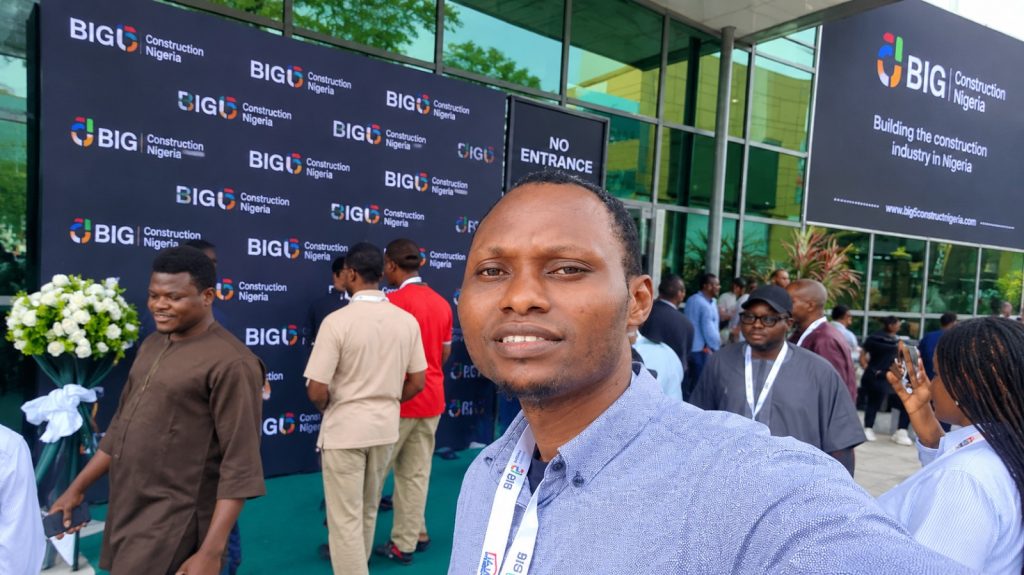
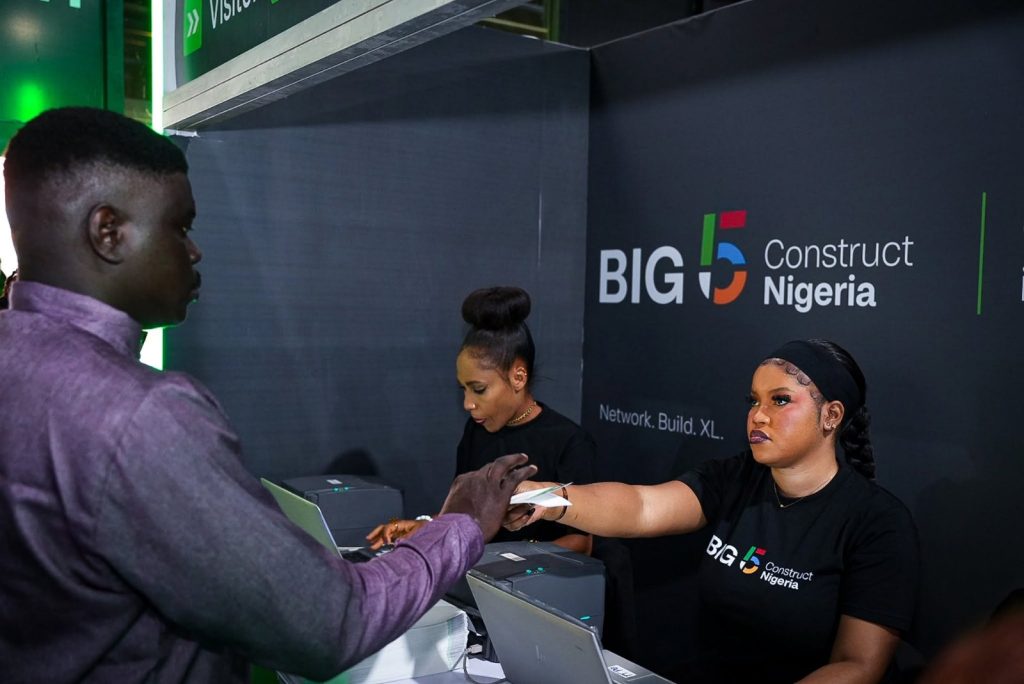 Image Credit: BIG 5 Construct Nigeria Facebook Page
This 2026 edition marked the 6th edition since its inception in the year 2019. It was a 3-day composite program from 22-24th September, 2026, featuring daily Big 5 talks and conferences on key industry topics. This year saw over 170 exhibitors in attendance from all over the world, as thousands of Nigerians nationwide recognized it as a marketplace for sourcing the latest products spanning construction, interiors, finishes, machinery, and so much more; hence, it became an interdisciplinary convention for professionals like Interior designers, Architects, real estate developers, contractors, and many others.
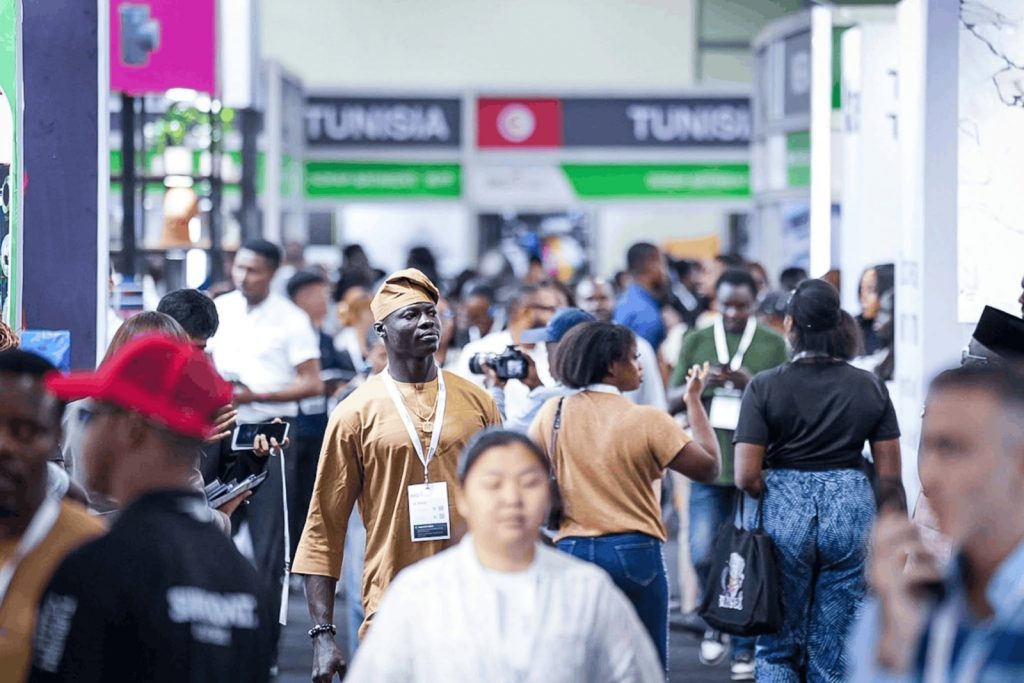
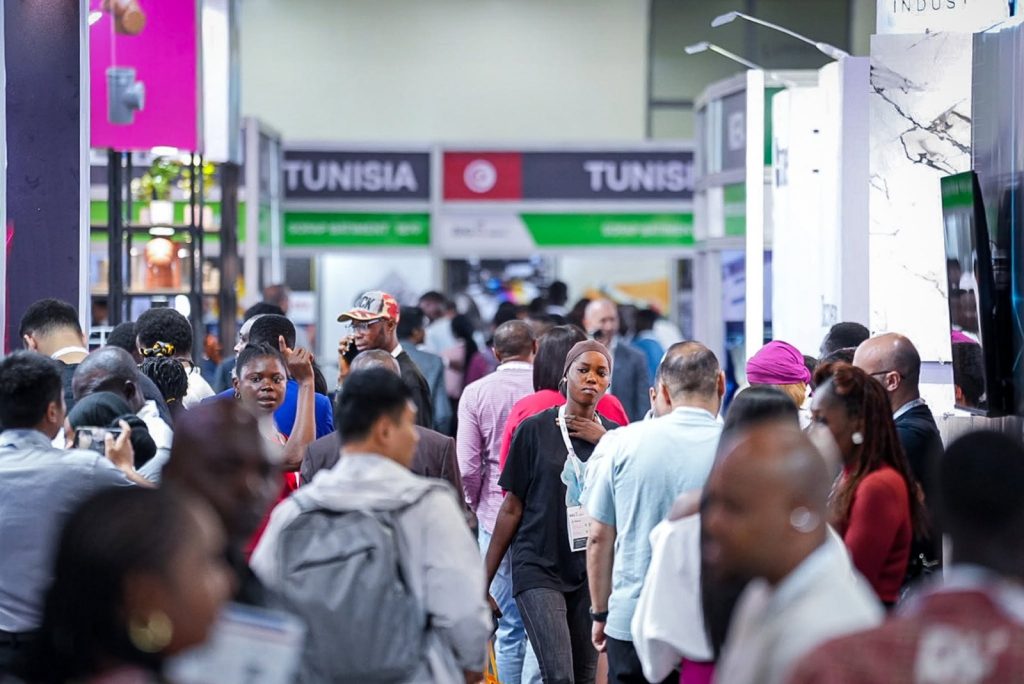 Image Credit: BIG 5 Construct Nigeria Facebook Page
Hog Furniture, being a niche online marketplace for Home office and Garden furniture, Finishing, and Decor, continues in one of its core areas of coverage: promoting backwards-integrated products and solutions. In fact, its media arm, Hogdigest, further represents a formidable architecture of knowledge and experiences around interior design for both residential and corporate construction.
The presence of the Hogdigest team on the first day of the event as a visitor, saw many well-respected brands, Dulux Paint Nigeria, Savalani Furniture, Bosch, Julius Berger, Tower Aluminum Nigeria, and Alan Caray, just to mention a few, live at the exhibition ground, added a premium feel as thousands of visitors, mainly professionals who are major stakeholders in the built industry, patronized these trusted businesses at their respective stands. Unequivocally, the opportunities that were leveraged by many can be said to be immeasurable, from new product exposure, B2B networking, and the latest business ideas that could equip one to perform on a higher pedestal of success for profitability that meets industry standards in one’s ecosystem.
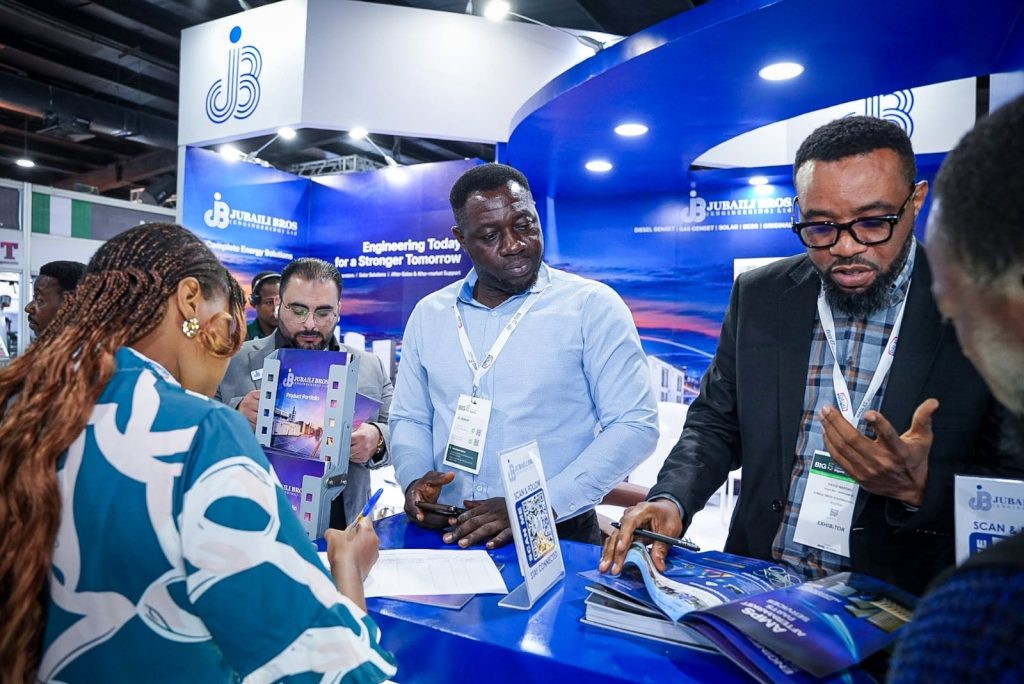
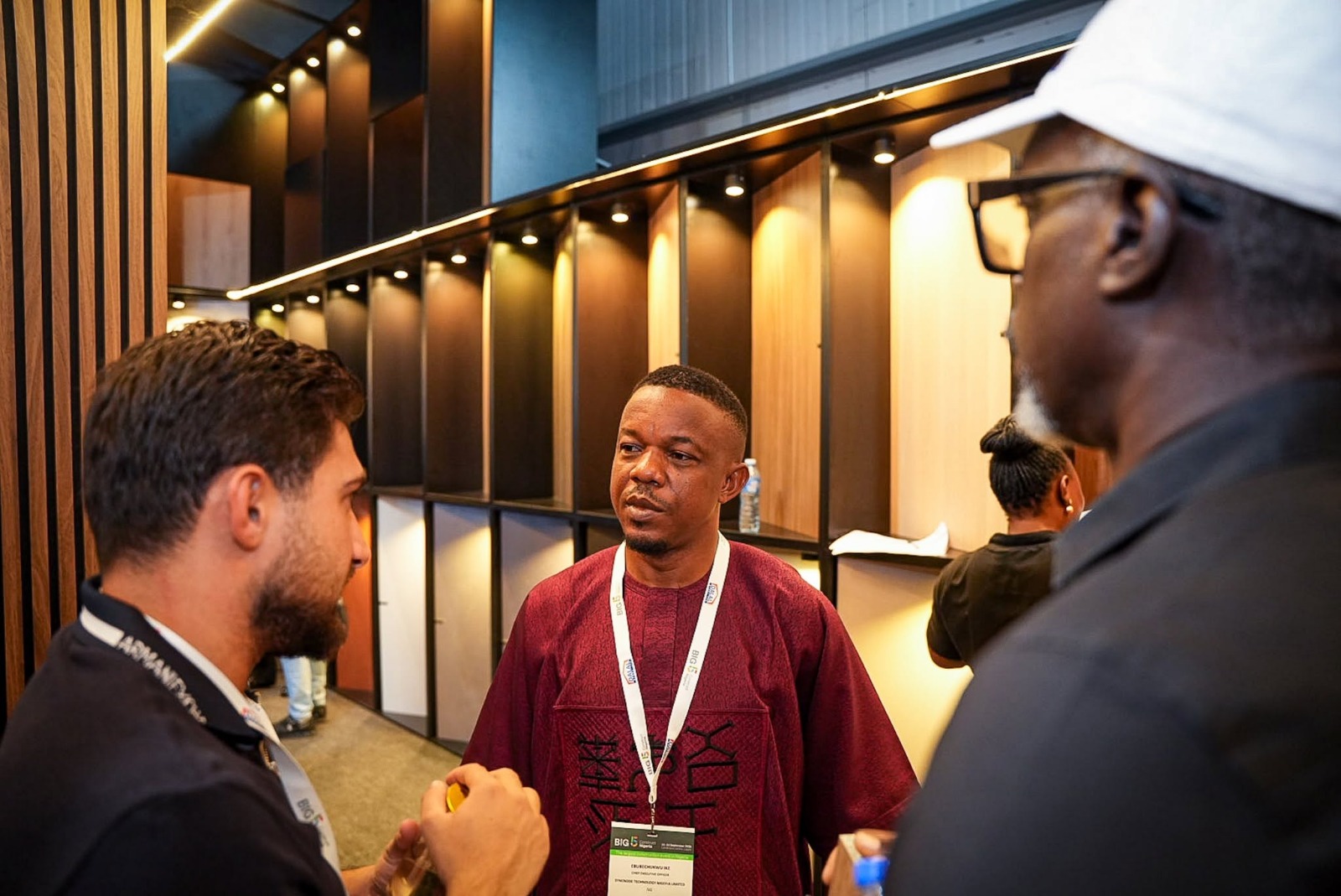 Image Credit: BIG 5 Construct Nigeria Facebook Page
Also, the unimaginable orchestration of programs and time management for each section by the organizers of this beautiful exhibition can never be undermined, as they ensure all the speakers respectfully adhere to their allotted time. This is almost a rare culture one can ever find in recent times, in gatherings like this.
At 11 am, just as scheduled, the Big Talk show went live with the keynote speaker, the president of the Nigerian Society of Engineers{NSE}, who was ably represented by Engr. Agberagba, the deputy president of the professional body, who started on a strong note with a question that laid the course for discussion on the topic “Nigeria’s construction outlook 2026: market realities and delivery priorities,” as she asked the audience, “How many of you, on your way to this event, saw incomplete construction projects?” and, as expected, the audience responded with many hands raised in support. Engr Agberagba, while delivering the keynote address, further stated that actors in the construction industry are now lacking in delivery discipline, and only those who understand the structure or gateway to successful projects will be praised. Going further, she noted that even though the industry is not short of good projects, demand is high due to the constant increase in population; it continues to attract both public and private investors from all corners. According to Engr Agberagba, despite all this, the construction industry is still looking at affordability, finance, and good delivery discipline.
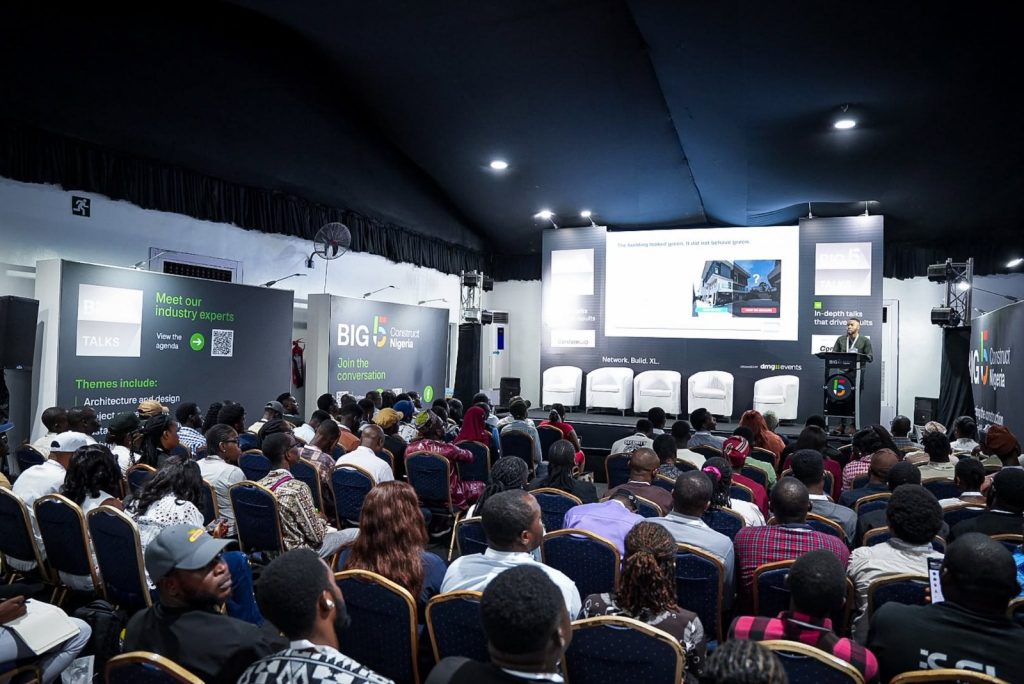
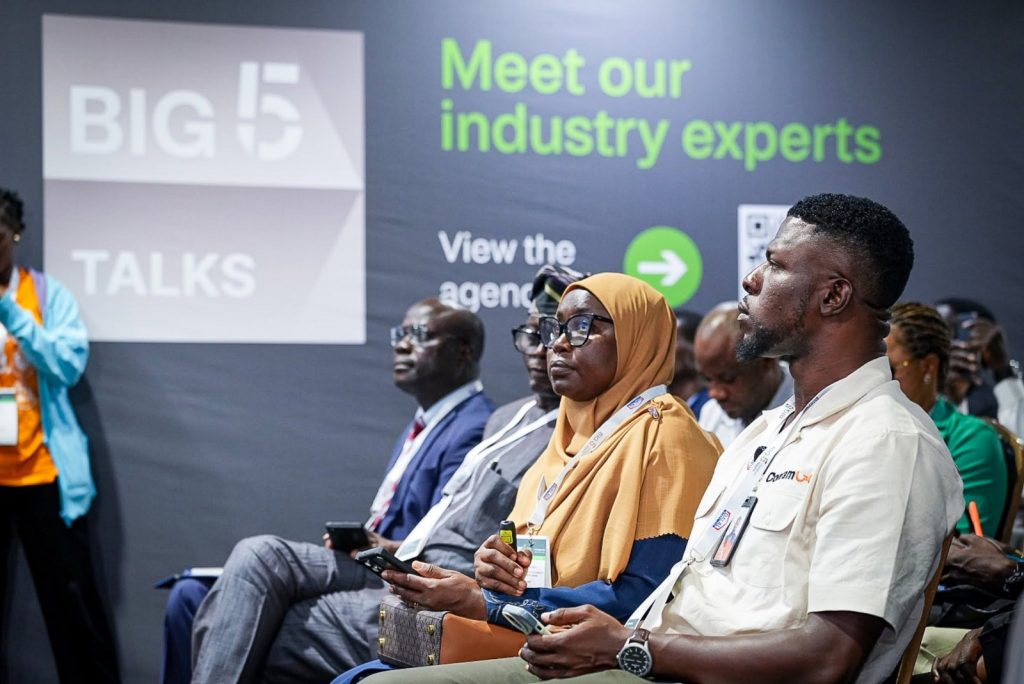
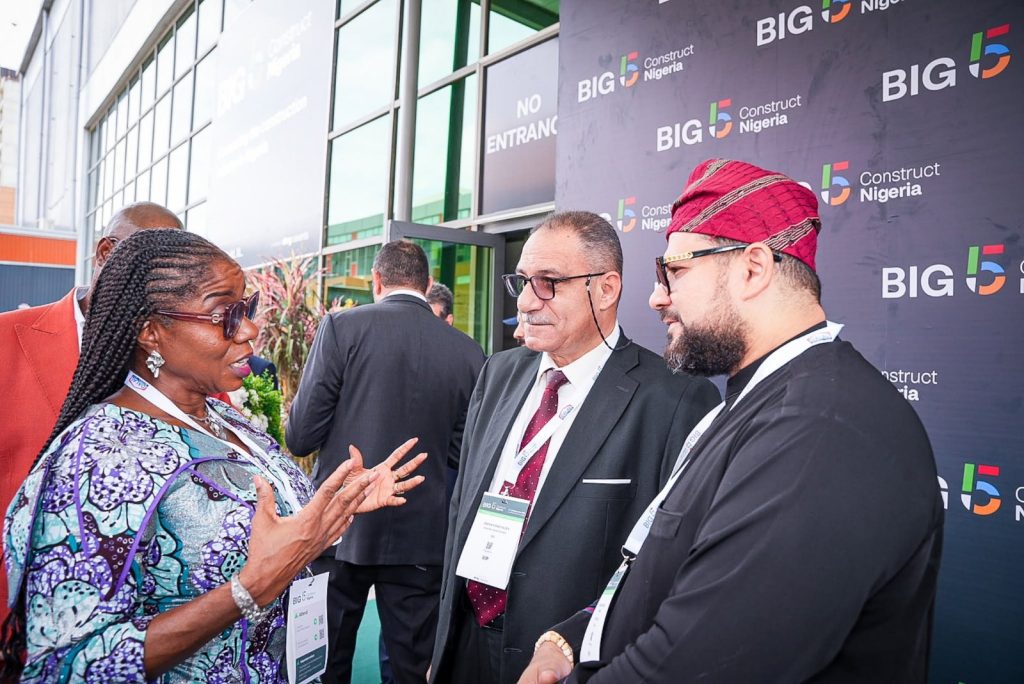 Image Credit: BIG 5 Construct Nigeria Facebook Page
Going further, Agberagba said, “With Nigeria’s urbanization rate at 63.78 per cent according to the World Bank, there’s a need for better housing, power, proper transportation, and industrial infrastructure.” She, however, acknowledged the effort of the government but implored them to do more. She did not just conclude her speech without dutifully educating the audience with great insight into what can be termed a successful project. She challenged actors in the industry to always follow the standard rules, from business case studies to design and consultations. She further said In fact, professionals in the industry should already be thinking of the capital structure before approval, which will go a long way. She, however, frowned at giving approval to projects with no feasibility study, and design for such projects is part of the challenges, aside from the lack of project continuity at all levels of government.
And lastly, she categorically mentioned the poor practice of the lowest bidder getting projects, which is often the reason for many incomplete constructions in the country. According to her, “A value project is not just a structure; it’s an integrated value proposition. A building-led approach focuses on construction, but a development-led approach is an integrated value proposition that bridges market demands, land and planning, construction delivery, and maintenance.”
Going forward, the Registrar and Secretary to the Council of Registered Builders of Nigeria, Bldr. Adetunji Adeniran, gracefully stepped on the podium as he intelligently took the audience on an educational journey as regards managing risks in the construction industry.
It’s expedient for one to note that the purpose of gatherings like this is not only to identify levels of institutional challenges, but also to expound on how to brazenly overcome these protruding risks being faced by these professionals.
According to Bldr Adetunji, “Risks don’t just disappear because we ignore them.” This statement further launched the topic “Advanced Project Delivery strategies in high-risk environments” into a deeper discussion of what the speaker called “risk mapping,” which refers to awareness of challenges that are both within and outside one’s environment, using the ongoing war between Russia and Ukraine as an example, as it may affect the supply of enough energy needed for construction, which are some of the challenges coming from one’s outside environment, and to the ones peculiar to the industry and, of course, the internal organizational system of every construction company.
He further registered in the minds of the audience other components that make an excellent construction delivery become a reality, which, according to him, include capturing the number of stakeholders in the project and supply chain issues and others. He also mentioned the decline in skill availability in the industry, which, before now, Nigeria as a country benefited greatly from neighbouring countries like Togo, whose nationals were skilled workers in the country, but due to economic reasons, many have returned back to their country. In his conclusion, he advised professionals in the industry to focus on what they can control and develop the capacity to make things work for them.
At the end of these two aforementioned great speakers, the program shifted towards a panel discussion session moderated by Omikunle Abiodun of Deloitte Nigeria. No doubt, the discussion took a new shape with the panel, which involved professionals with extensive experience as they helped dissect the topic “Constructing Road Projects in Nigeria: Managing cost, productivity and delivery risks.”
The panel discussion served as a great opportunity for some of the audience who were present to get familiar with the challenges and risks, and causes of delay attached to road construction in Nigeria. In fact, many Nigerians in recent times are now becoming interested in the happenings around road infrastructure, as it is tied to them enjoying the dividends of democracy.
As against the popular opinion or near-fact statement that inadequate funding for road projects is mainly the cause of road project abandonment or delivery. Engr. Aramide Adeyoye, the Chief Executive Officer of ABM Infrastructure, categorically stated that such problems stem from the project management angle rather than the former. Amongst her convincing statements, she frowned at the usual practice of some unscrupulous contractors sourcing poor materials to the detriment of the image of their clients, who are often the government. Also, in balancing her point, she implores the government at all levels to dissuade itself from discontinuing value-driven projects by using poor or delayed approval of funds to score cheap political points against predecessors who were not party-affiliated to them.
However, from the standpoint of a quantity surveyor, Timileyin Idowu of Palton Morgan Holdings said There’s a gap between the project planning phase and execution phase. In the project planning phase, you pick a budget, feasibility study, Right of Way (ROW), and many more.” He further encouraged contractors to be more accurate in their budgets, taking into consideration how inflation can add unplanned costs to a project.
Going further, Wale Bamgbelu, of Orion Consulting Engineering Services, made a shift in his submission using a case scenario of a major Federal government road project which his firm was once part of. According to him, they did planning for almost 6 years; the design was great, and a geotechnical survey was done, and still the project was not successful. He, however, corroborated the earlier submission by Engr. Adeyoye that funding can be part of the causes, but the greater cause of it is often how these projects were managed. According to him, stakeholder management is core to any successful road project in Nigeria. Lack of community engagement is a problem, as there’s always a need to have the Right of Way (ROW), which allows for clearing encroaching buildings and light poles. He further highlighted other challenges such as productivity costs, a huge unavailability of materials, and geotechnical issues, etc.
While acing the discussion, the head of construction, Alexander Arthur Limited, Oluwatimilehin Adegoke, speaking on productivity, encouraged the use of contractual rules governing the relationship between the employer (client) and the contractor, as he said, “…when a scope is defined and narrowed down, productivity can then increase. When you want to measure productivity, it should not only be the output; all other components that make a project successful.”
On a final note, QS Timilehin suggested that ex gratia, a term meaning a voluntary payment made as a gesture of goodwill, should be considered between the client and the contractor in a case of extra costs accrued on a project. He then further advised that a Quantity Surveyor expert should be included from the initial stage of a project for cost management purposes.
The next session of speech was by David Olayiwola, the Co-founder and Chief Technical Officer, Aidafields, as he spoke on the topic “Building high-performing teams in a talent-constrained market.” The conversation about the employability skills level of Nigerians found its way into the discussion again. Oftentimes, this argument is always raised by the bourgeoisie of the economy, which many, however, have been countering: on what ground of thought is this sentimental discussion? Does the environment created by these owners really allow for talents to grow? Another question is where the popular claims of “Talents are everywhere in Nigeria” are emanating from? Whichever thought you hold, David, however, recognized that the decline of skilled workers in the construction industry is due to frequent mobility of labour, either occupational or industrial. He therefore charged the audience with one of his nuggets, one of which, as rightly stated in his speech, is “we need to shift from talent acquisition to talent architecture.” Also, the need for building modules and documenting expertise into checklists helps build business around systems.
And the last session for the day saw another great professional, Arc Adedayo Karounwi, of Kawrys Architecture, who happens to be the moderator, and other members of the panel like Folakemi Oloye, a great Interior designer from Teals Harmony, Arc Kelechi Onyike, of Podex Associates, and Opeoluwa Ogunbanjo, a property developer at Rhombus 24 Services Limited as they shared their experiences as regards the topic “Who pays when interiors come last?”
Prior to this time, every Nigerian residential construction literally would really need no special expertise to create an ambience that soothes the taste of the owner because of limited knowledge and exposure around creating an experience that befits the specific space.
As our society continues to experience modernization, hence introducing new thoughts and ideas on how to create good spaces with a lasting impression using befitting interiors.
However, regardless of this great buildup of impression in our society of today, the Interior design ecosystem is still struggling to earn its rightful place in the construction table.
The sentimental conclusions from different corners of the country about interior design, apart from the perceived view of how expensive its services can be, actually stem from two reasons: the inability of many clients to come to terms with the level of professionalism that an interior designer could bring, which would bring a new aura of experience to their spaces.
Secondly, is the sudden cold war between architects and Interior designers. The former was of the view that the latter had no grounded experience, academic sagacity, and professional body that controls its affairs, as everyone in that ecosystem operates as standalone, hence opening the door for charlatans. All these and more were part of the robust panel discussions.
One of the great interior designers with pedigree in the country currently, Folakemi Oloye, made several realistic examples of how she was able to use her expertise to save a lot of real estate projects for a lot of contractors without them losing on their investments; however, this comes with the price of added costs to those building projects because some things had to give way to create the perfect experience that will attract customers to such spaces.
The trajectory of what residential or commercial spaces must look like today is tilting toward an ecosystem that was once a rejected pillar in the industry.
Taking a look at the Lagos residential property market, especially short-let apartment prices, the 2024 report rose up to 46.4% in 2024, compared with 12.95% in 2023. The presentation, functionality, experience, and furnished accommodation are increasingly becoming relevant to property owners, and also to their clients too. All thanks to the interior designers’ expertise.
The panel discussion however, ended with questions and contributions from the audience. Speaking of contributions, a particular one stood out, from the current President of the Interior Designers Association of Nigeria, Jackqueline Aki, as she expediently broke the news of how Interior design is now receiving a lot of attention in our great learning institutions like, University of Lagos, and Obafemi Awolowo University, Ile ife. This however erode the thought of “Open market” from an apprenticeship to a professional training and design education acquired through a structured knowledge, hence becoming a professionalized field.



 Living Room
 Armchairs
 Bar
 Coffee Tables
 Sofas
 Side Tables
 Shelving
 TV Consoles
 Bedroom
 Beds
 Bedding Sets
 Dressers
 Mattress
 Pillows
 Wardrobes | Organisers
 Bathroom
 Bathroom Accessories
 Showers & Bathtubs
 Water Heaters
 Water Closet
 Washbasin
 Dining
 Dining Tables
 Dining Chairs
 Dining Sets
 Dining Benches
 Sideboards
 Kitchen
 Cookware | Bakeware
 Cabinets
 Tableware | Serveware
 Big Appliances
 Small Appliances
 Sinks | Taps
 Storage | Organisation
 Utensils | Tools
 Lighting
 Ceiling Lights
 Table | Floor Lamps
 Light Bulbs | Hardware
 Outdoor Lighting
 Wall Lights
 Kids & Nursery
 Nursery furniture
 Kids Bedroom
 Kids Decor

 Chairs
 Swivel
 Visitors
 Tables | Desks
 Standard Desks
 Executive Desks
 Computer Desks
 Safe | Cabinets
 Bookshelves
 Credenzas
 Filing Cabinets
 Safes
 Lockers
 Conference
 Boardroom Sets
 Meeting Tables
 Seminar | Events
 Workstations
 Cubicle Workstations
 Open Workstations
 Reception
 Reception Desks
 Waiting Area
 School Furniture
 Classroom furniture
 Hostel Furniture
 Laboratory furniture
 Library Furniture

 Bistro Sets
 Metal Bistro Sets
 Rattan Bistro Sets
 Plastic Bistro Sets
 Wooden Bistro Sets
 Rattan
 Rattan Bar Sets
 Rattan Sofas
 Rattan Dining Sets
 Rattan Loungers
 Rattan Swing Chairs
 Rattan Accessories
 Shades & Canopies
 Cantilever Umbrellas
 Parasols
 Tents
 Gazebo
 Outdoor Essentials
 Outdoor Living
 Plants & Greenery
 Planters & Pots
 Garden Tools

 Appliances
 Cleaning Appliances
 Cooling & Air Treatment
 Home Finishing
 Carpets & Rugs
 Curtains & Blinds
 Décor
 Doors & Shades
 Paint & Wall Covering
 Plumbing Supplies
 Tools & Utility
 Hardware & Electricals
 Tools & Equipment
 Commercial & Specialty
 Hospital Furniture
 Supermarket
 Salon & Personal Care
 Cleaning Services
 Pet Care