
5 Tell-Tale Signs That You Have Hard Water in Your Home


Water is considered hard if it has at least 61 milligrams of minerals such as calcium and magnesium per litre of water. It is actually a mixed blessing because hard water supports heart health and also tastes good. Yet, it can wreak havoc on the plumbing and water-dependent fixtures in your home. Here are five signs that you have hard water.
1. Soap Scum Around Your Plumbing Fixtures
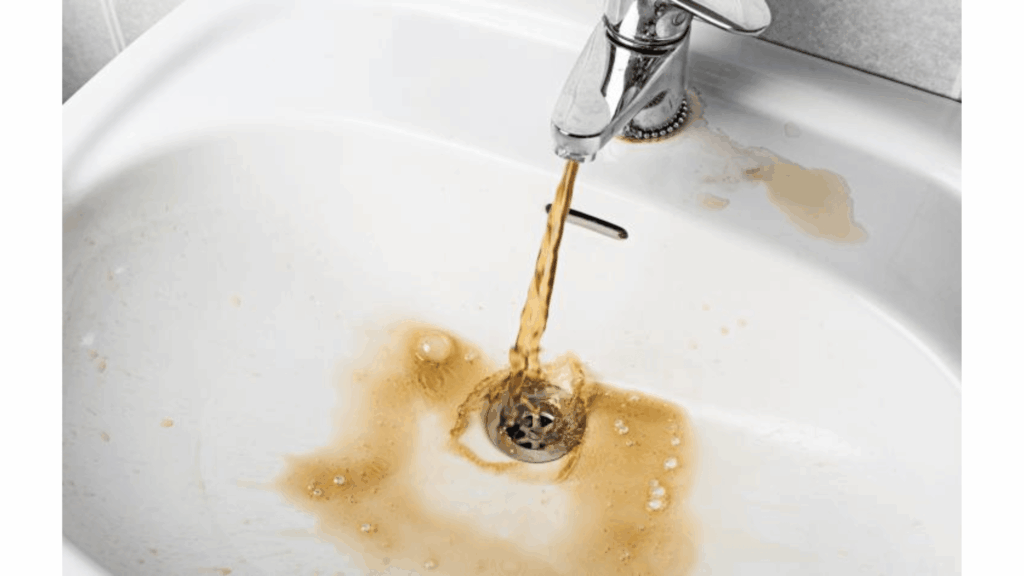
When hard water splashes onto plumbing fixtures and then dries, it leaves behind a white, gray, or brown film that’s hard to get rid of. Eventually, the film builds up and becomes even harder to remove. Not only this, it can throttle the flow of water and even cause it to squirt from the fixture at odd angles. This residue is soap scum, and it forms when soap and dirt mix with the calcium and magnesium in hard water. A simple way to make sure soap scum doesn’t build up is to towel dry your fixtures every time they’re used, a routine that’s hard to keep up. Hiring a company to install a water softener can also resolve the problem of hard water. Water softeners in Calgary can replace the calcium and magnesium ions with those of sodium, preventing the build-up of soap scum.
2. Spots on Glasses
You’ll also notice spots on your glassware when you take it out of the dishwasher. If you wash your dishes by hand, they appear cloudy even though you’re sure you’ve thoroughly washed them. Though your glasses may be perfectly sanitary, the spots or cloudiness may make you not want to drink out of them or use them to serve drinks to your friends or family. The discolorations occur because they’re what’s left behind when hard water dries. A lot of scrubbing could probably remove the cloudiness or spots, but it’s temporary.
Cloudiness isn’t just confined to drinkware. You’ll also see it on your glass shower enclosure. The problem is even thornier here because the residue etches the surface of the glass with every shower. Again, the answer to this and spotty glassware is a water softener.
3. Limescale in Appliances
Limescale and soap scum are often mistaken for each other. Though both can appear on your plumbing fixtures, soap scum is more of a film and is found not only on fixtures but objects found near them such as tile and even shower curtains. Limescale is a chalky, whitish crust that forms in appliances that use hot water, such as your kettle, your hot water heater, or your boiler. Because it’s not mixed with soap, it is hard. One way to keep limescale in control is to descale your kettle or coffee maker or drain your hot water heater pretty frequently, but this is impractical. Again, the best solution is a water softener.
4. Dry Skin, Lusterless Hair, and Dull Laundry
Hard water leaves your skin and hair dry because the minerals in it reduce the amount of water that gets to them. This is especially problematic for young children who suffer from such skin conditions as eczema. Hard water also leaves minerals in your hair after you shampoo it, leaving it dry and lusterless. Eventually, this promotes frizzies and dandruff. Even your hands feel as if there’s a film on them even after you wash them. Indeed, if you wash your hands in warm, hard, soapy water, it will most likely leave soap scum behind.
Laundry that’s washed in hot, hard water suffers from the same problem as skin and hair. When it’s pulled out of the laundry, it is dull and scratchy. The laundry also needs more soap, so you’ll find those jugs of detergent being used up faster than normal. The limescale deposited by hard water can also shorten the life of your washing machine.
5. Water-Dependent Appliances Don’t Work as Well as They Should
Limescale that builds up in your appliances causes them to work that much harder and shortens their lifespan. If it builds up in your pipes, you may need to replace them sooner than you’d expect, as limescale can cause them to leak. All of this means higher energy bills and money needed to repipe your plumbing and replace your appliances.
Conclusion
If you have hard water, you don’t need to let it destroy your plumbing or your water-dependent appliances. Consider a water softener that can be installed at the point of entry, where it can soften all the water that comes into your home, or at the point of use to serve one or two fixtures.
This article is part of the HOGDigest editorial series.
Originally written by [Stephanie Snyder] and republished with permission.










 Living Room
 Armchairs
 Bar
 Coffee Tables
 Sofas
 Side Tables
 Shelving
 TV Consoles
 Bedroom
 Beds
 Bedding Sets
 Dressers
 Mattress
 Pillows
 Wardrobes | Organisers
 Bathroom
 Bathroom Accessories
 Showers & Bathtubs
 Water Heaters
 Water Closet
 Washbasin
 Dining
 Dining Tables
 Dining Chairs
 Dining Sets
 Dining Benches
 Sideboards
 Kitchen
 Cookware | Bakeware
 Cabinets
 Tableware | Serveware
 Big Appliances
 Small Appliances
 Sinks | Taps
 Storage | Organisation
 Utensils | Tools
 Lighting
 Ceiling Lights
 Table | Floor Lamps
 Light Bulbs | Hardware
 Outdoor Lighting
 Wall Lights
 Kids & Nursery
 Nursery furniture
 Kids Bedroom
 Kids Decor

 Chairs
 Swivel
 Visitors
 Tables | Desks
 Standard Desks
 Executive Desks
 Computer Desks
 Safe | Cabinets
 Bookshelves
 Credenzas
 Filing Cabinets
 Safes
 Lockers
 Conference
 Boardroom Sets
 Meeting Tables
 Seminar | Events
 Workstations
 Cubicle Workstations
 Open Workstations
 Reception
 Reception Desks
 Waiting Area
 School Furniture
 Classroom furniture
 Hostel Furniture
 Laboratory furniture
 Library Furniture
 Bistro Sets
 Metal Bistro Sets
 Rattan Bistro Sets
 Plastic Bistro Sets
 Wooden Bistro Sets
 Rattan
 Rattan Bar Sets
 Rattan Sofas
 Rattan Dining Sets
 Rattan Loungers
 Rattan Swing Chairs
 Rattan Accessories
 Shades & Canopies
 Cantilever Umbrellas
 Parasols
 Tents
 Gazebo
 Outdoor Essentials
 Outdoor Living
 Plants & Greenery
 Planters & Pots
 Garden Tools

 Appliances
 Cleaning Appliances
 Cooling & Air Treatment
 Home Finishing
 Carpets & Rugs
 Curtains & Blinds
 Décor
 Doors & Shades
 Paint & Wall Covering
 Plumbing Supplies
 Tools & Utility
 Hardware & Electricals
 Tools & Equipment
 Commercial & Specialty
 Hospital Furniture
 Supermarket
 Salon & Personal Care
 Cleaning Services
 Pet Care